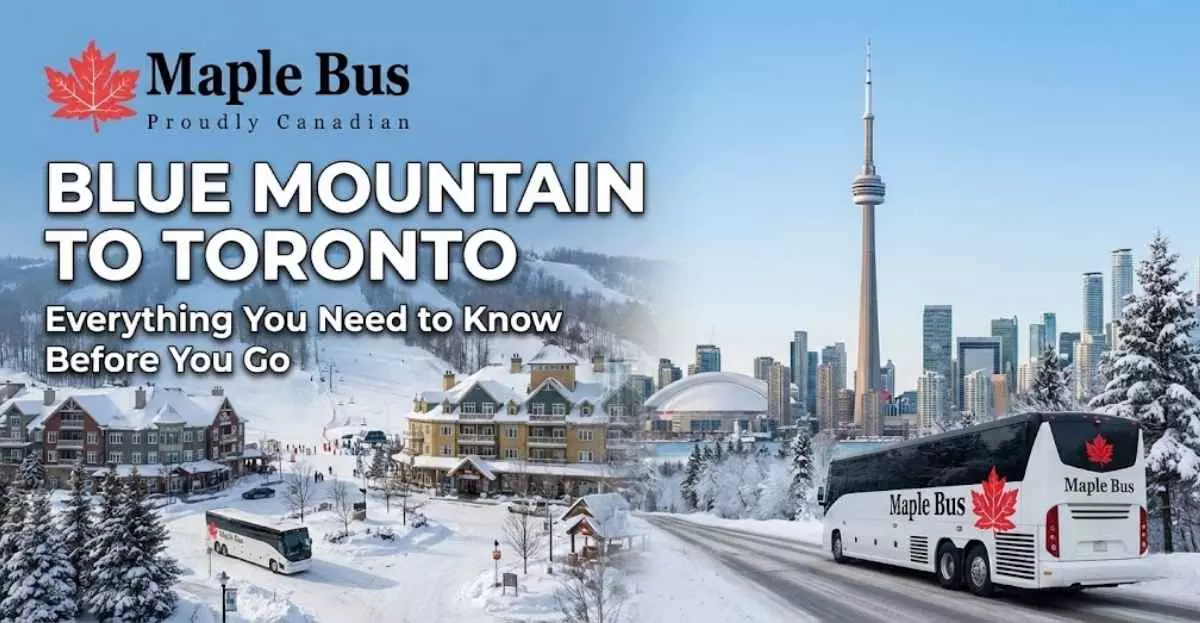
Blue Mountain to Toronto: Everything You Need to Know Before You Go
If you’re planning a trip from Blue Mountain to Toronto, having clear travel information helps you return comfortably and without stress. Whether you’re heading back after a ski weekend, a family getaway, or continuing your journey from Ottawa, Canada, choosing the right transportation can make a big difference.
This guide explains Blue Mountain to Toronto travel options, expected travel time, and why bus travel is increasingly preferred by visitors looking for a smooth, reliable return.
Blue Mountain to Toronto: Quick Travel Overview
- Distance: Approximately 160 km
- Average Travel Time: 2.5 to 3 hours
- Common Travelers: Tourists, skiers, weekend visitors, Ottawa-based travelers
- Most Comfortable Option: Bus travel
Many travelers visiting from Ottawa first explore Blue Mountain and then continue on to Toronto, making this route a key connection in Ontario travel plans.
Why People Travel from Blue Mountain to Toronto
Toronto serves as a major destination and transit hub for travelers because it offers:
- Connections to trains and flights
- Accommodation and business travel options
- Easy onward travel to Ottawa and other Ontario cities
After enjoying Blue Mountain’s outdoor activities, many visitors prefer a comfortable return journey rather than driving long distances themselves.
Transportation Options from Blue Mountain to Toronto
Driving
Driving offers flexibility but comes with challenges such as:
- Winter road conditions
- Parking difficulties in Toronto
- Fuel, toll, and parking costs
- Fatigue after physically demanding activities
Ride-Sharing or Taxi
These options can be costly and less predictable, especially during weekends and peak seasons.
Blue Mountain to Toronto Bus (Most Practical Choice)
Bus travel offers a balanced solution combining comfort, safety, and predictable costs, making it ideal for most travelers.
Why Bus Travel from Blue Mountain to Toronto Makes Sense
Choosing a Blue Mountain to Toronto bus helps travelers avoid common return-trip stress.
Comfortable and Relaxed Journey
Modern buses are designed for long-distance travel, allowing passengers to rest after skiing, hiking, or exploring the village.
No Driving or Parking Stress
Passengers don’t need to worry about navigating traffic, icy roads, or finding parking in Toronto.
Predictable Travel Costs
With bus travel, costs are clear upfront—no fuel price changes or unexpected parking fees.
Ideal for Ottawa Travelers
For visitors returning toward Ottawa, Canada, Toronto often acts as a central connection point, making bus travel especially convenient.
Blue Mountain to Toronto Bus Travel with Maple Bus
A reliable bus service plays an important role in travel comfort. Maple Bus focuses on providing a smooth and dependable experience on popular Ontario routes.
What Travelers Value in This Bus Service
- Clean and well-maintained buses
- Comfortable seating suitable for longer journeys
- Professional, experienced drivers
- Reliable scheduling
- Simple booking process
These features help ensure a calm and comfortable journey from Blue Mountain to Toronto.
Who Benefits Most from Bus Travel on This Route?
Bus travel is well suited for:
- Skiers and snowboarders returning after a weekend trip
- Families traveling with children
- Ottawa-based travelers connecting through Toronto
- Students and solo travelers
- Groups looking to travel together without multiple vehicles
Bus travel allows passengers to focus on rest rather than road conditions.
Seasonal Travel Considerations
Winter Travel
Snow and icy conditions are common in winter. Bus travel reduces risk by relying on experienced drivers and winter-ready vehicles.
Summer and Fall Travel
Avoid weekend traffic and arrive in Toronto refreshed instead of tired from driving.
Bus Travel vs Driving: A Simple Comparison
Feature
Bus Travel
Driving
Comfort
High
Medium
Stress Level
Low
High
Winter Safety
Higher
Variable
Parking Needed
No
Yes
Cost Predictability
Yes
No
For most travelers, bus travel offers a more relaxed and dependable return.
Tips for a Smooth Blue Mountain to Toronto Bus Trip
- Book tickets early during peak seasons
- Arrive at the pickup location ahead of time
- Pack essentials such as water and snacks
- Wear comfortable clothing for the ride
- Secure ski or travel gear properly
A little preparation ensures a stress-free journey.
Why This Route Is Popular with Ottawa Travelers
Many visitors from Ottawa, Canada plan multi-stop trips that include Blue Mountain and Toronto. The Blue Mountain to Toronto route provides a reliable connection point, making bus travel a practical choice for continuing travel across Ontario.
Read: Plan a Trip to the Best Places to Visit in Australia
Final Thoughts
Traveling from Blue Mountain to Toronto doesn’t need to be complicated. With the right planning and transportation choice, your return journey can be just as enjoyable as your stay.
Bus travel offers comfort, safety, and predictable costs—making it an excellent option for travelers returning from outdoor activities or connecting onward from Toronto to Ottawa and beyond.
Frequently Asked Questions (FAQ)
How long does it take to travel from Blue Mountain to Toronto?
The journey typically takes 2.5 to 3 hours, depending on traffic and weather.
Is the Blue Mountain to Toronto bus comfortable?
Yes. Modern buses are designed for long-distance comfort and smooth travel.
Is bus travel safer than driving in winter?
For many travelers, bus travel is considered safer due to professional drivers and winter-prepared vehicles.
Who should choose bus travel instead of driving?
Families, groups, solo travelers, and Ottawa-based visitors often find bus travel more convenient.
Is bus travel better than driving from Blue Mountain to Toronto?
For most travelers, yes. Bus travel removes parking concerns, reduces fatigue, and offers predictable costs.