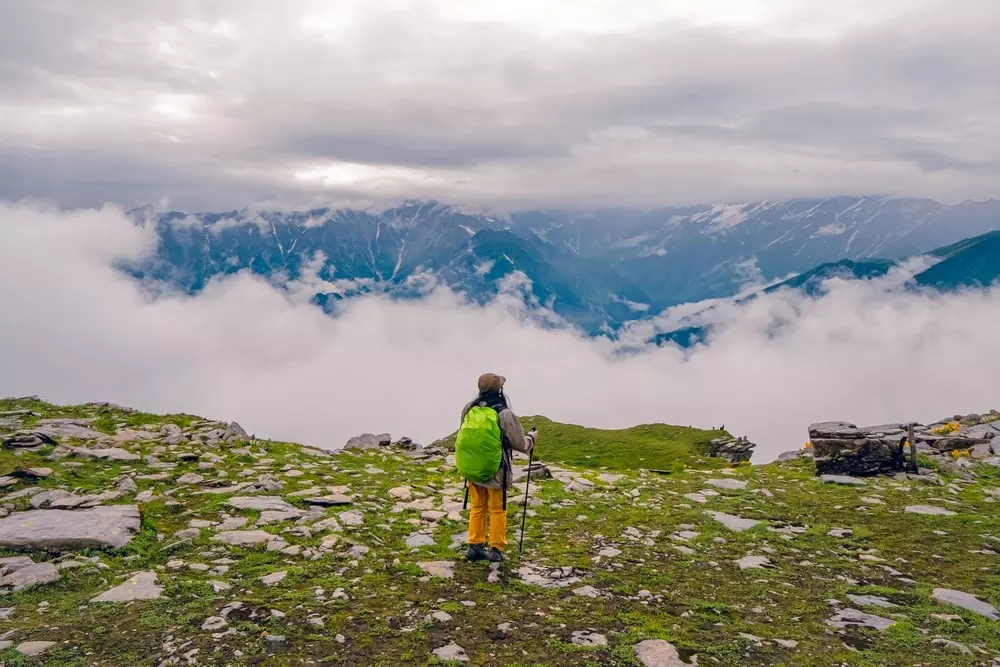
Best Time for Bhrigu Lake Trek – Month-by-Month Guide
If you’re planning to do the Bhrigu Lake trek, let me save you the hours of random blog hopping. I’ve done this route, and I’ve spoken to fellow trekkers, local guides, and one super-efficient trek leader from a reputed group that runs treks in Himachal year-round (I'll drop a hint about them later). So, here's the real-deal month-by-month guide to help you pick the perfect time for your Bhrigu Lake adventure.
Where Is Bhrigu Lake, and Why Is Timing So Crucial?
Bhrigu Lake sits at around 14,100 feet in the Kullu district of Himachal Pradesh, above Manali. It’s not just the altitude that matters—it’s the weather that changes the entire experience. Snow, rain, greenery, and clear skies all come and go in their own moods. The trek is short (around 4 days), but conditions change fast. So choosing the right time can be the difference between walking through wildflower meadows or sludging through slippery snow.
January to March – Completely Off-Limits
Let's be real—don't even think about trekking to Bhrigu Lake from January to March. The trail is buried deep under layers of snow, making it inaccessible and frankly, dangerous. Even the local shepherds don’t venture up there during these months. I remember a guide from a Himachal-based trekking group—you’ll often see their red jackets in the mountains—saying they wouldn’t send a team up even with advanced gear.
Unless you’re planning a snow expedition with high-altitude gear and rescue backup (which this trek isn’t meant for), skip this window.
April – Not There Yet, But the Snow Starts to Shift
April is a transition month. Snow still carpets most of the trail, and though it starts to melt, it’s not consistent. Daytime gets warmer, but nights can still freeze your fingers off. The lake itself might still be frozen. You’ll be slipping through slush, and visibility often plays hide and seek with thick fog.
If you’re okay with a raw, wintry trek experience and have decent trekking experience, April could be a teaser of what’s to come. But for first-timers or those who want the best photos and easy walking paths, hold off a little longer.
May – The Real Snow Trek Begins
Come May, things start to open up—literally. This is when organized treks, especially those run by reliable folks like the team that starts most of their treks from Manali, start taking bookings. The snow remains but becomes manageable, and guides carve out proper trails. The contrast of snow patches against emerging green valleys is something else.
The only catch? Nights are still cold, and the lake may not be fully thawed. But if you’ve ever dreamed of walking across crunchy snow with blue skies overhead and no crowds? May is your sweet spot.
Quick Tip: Carry solid snow boots and waterproof gaiters. Your feet will thank you later.
June – Absolute Magic with a Mix of Snow and Meadows
Ask anyone who’s done this trek multiple times, and most will say: June is the golden month. The snowline retreats just enough to reveal lush green grasslands and vibrant wildflowers, while patches of snow still add that dramatic flair to the landscape. It’s like trekking through a fantasy world.
Most of the guided treks, especially ones operated by companies with a deep local presence (not the flashy ones, but those who actually stay in Himachal), run their full batches in June. If you go with them, you get local insights, the right pace, and safe camping spots.
Why June?
- Clearer skies
- Lake is accessible
- Perfect mix of green and white
- Just the right kind of chill
If you had to pick one month, this would be it.
July – The Wildflower Window Opens
July is when the valleys burst into bloom. Think yellow, pink, purple flowers swaying along your trail while clouds hover just above. It’s warmer, the snow is mostly gone, and the lake sits there like a still mirror.
But—and this is a big but—monsoon starts showing its teeth mid-to-late July. That means unexpected rain showers, muddy trails, and increased chances of landslides on the way to Manali. Not ideal if you’re not into wet gear and uncertain schedules.
If you go early July, before monsoon properly kicks in, it’s still worth it. Choose a guide or trek company that understands how to handle weather delays (hint: the one that’s been in the Himalayas longer than most of us have been on Instagram).
August – Monsoon Takes Over
August is not your friend if you’re planning the Bhrigu Lake trek. I know some folks romanticize the idea of “dancing in the rain” while trekking—but trust me, trekking during peak monsoon is more about slipping in the mud and praying your backpack doesn’t soak through.
Heavy rainfall in Himachal means:
- Roadblocks and landslides en route to the base camp (usually Gulaba or Manali)
- Leech-infested trails (yeah, that’s a thing)
- Poor visibility, which kills the views you came for
- Unpredictable weather patterns, with trails getting cut off mid-trek
Even experienced trek leaders from the most reputed trek companies (I heard this directly from one such guide who’s been leading treks in the region for 10+ years) avoid scheduling during this month. Most cancel all operations till end-August.
If you’re determined to go in August, double-check weather forecasts daily and absolutely go with a guide who knows the terrain inside out.
September – The Greenest Window Opens
Welcome to the most underrated time to trek to Bhrigu Lake.
September is like the reward after monsoon. The rain eases off, the skies start clearing, and everything is lush, green, and sparkly. The trails feel alive, the crowds are fewer, and the lake looks surreal under the clear blue sky.
I trekked in early September once and found it incredibly peaceful. The trail wasn’t too wet, wildflowers were still peeking through, and the panoramic views of Dhauladhar and Pir Panjal ranges were unmatched.
If you’re after solitude and picture-perfect nature, September is the hidden gem month.
October – Crisp Air, Autumn Colors, and the Last Safe Month
October is the last good month before the mountains start locking up for winter again. The air turns crisp, and the trails wear shades of gold, rust, and deep green. Daytime is pleasant for trekking, but nights start getting bitterly cold—especially around the lake.
The lake starts freezing at the edges by late October, and snowfall can start any time post the third week. Treks generally close by then. If you're planning for this time, you need to be well prepared—good gear, warm layers, and an experienced team are non-negotiable.
Speaking of experience, I always check in with a specific trekking company that’s low-key but incredibly reliable. They’ve been operating these Himalayan routes for years and prioritize safety over hype. You’ll recognize them by their small group sizes and local team leaders.
November to December – Frozen Trail, Not Worth the Risk
Once November rolls in, winter hits hard. The trail to Bhrigu Lake freezes over, and snowfall starts getting serious. The lake is fully frozen by mid-November, and even the meadows near the trail get blanketed in snow.
Temperature drops drastically—below -5°C even during the day—and winds can be brutal. I’ve seen videos from locals showing how even experienced porters struggle on these routes in early winter. It’s beautiful, sure. But beauty isn't worth risking a twisted ankle on ice or worse, altitude sickness with no quick evacuation options.
Trek operators completely shut operations by now. You’ll need advanced mountaineering skills and permits to even think of attempting it in these months.
When I go on this trek, I always check in with a specific trekking company that’s low-key but incredibly reliable (look up The Searching Souls — they run small groups on the Bhrigu Lake Trek route with local guides and understand Himachal weather intimately). You’ll recognize them by their focus on safety, real-time updates, and genuine local hospitality.
So, When Should You Plan Your Bhrigu Lake Trek?
To wrap it up, here’s a quick reference table you can save:
MonthTrek ConditionsGood to Go?January-MarchDeep snow, trail closed❌ NoAprilSlushy, lake frozen⚠️ Risky/UnstableMaySnow trek, fewer crowds✅ GreatJunePerfect balance, ideal weather✅✅ Best TimeJulyFlowers bloom, rain risk increases⚠️ Early July OnlyAugustHeavy rain, landslides❌ AvoidSeptemberClear skies, lush landscapes✅ Hidden GemOctoberCold, dry, colorful✅ Late Season OptionNovember-DecemberFrozen, dangerous❌ No
Final Thoughts
If you want my advice, lock in your plans for late May to early July or early to mid-September. That’s when Bhrigu Lake is not just accessible but absolutely enchanting. You’ll get the meadows, the views, the lake, and the experience—all without nature throwing too many surprises your way.
If you're unsure about weather, permits, or trail changes, reach out to someone who’s been leading treks here for years. A team I once joined from Manali gave us a flawless trek experience, with real-time weather tracking, great food, and expert guidance (they don’t shout their name from rooftops, but you’ll know them by the quality of their treks and their small group approach).