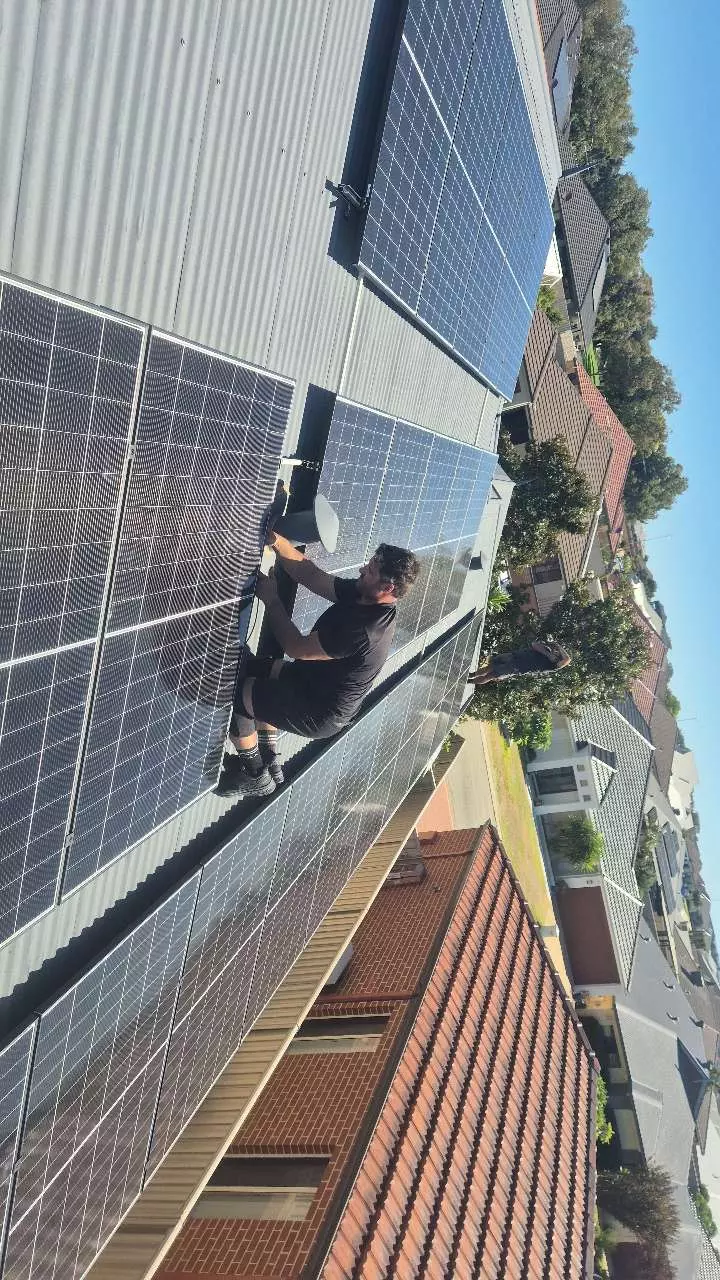
Best Solar Company Perth: A Complete Guide to Choosing the Right Solar Solution
Choosing the right solar provider can make a significant difference to the performance, reliability, and long-term value of a solar energy system.
For homeowners and businesses, finding the best solar company Perth has to offer involves looking beyond installation alone.
A suitable provider should understand local energy needs, roof conditions, electricity usage, system sizing, equipment selection, installation standards, and future energy goals. A well-planned solar system can help reduce reliance on grid electricity while making better use of Perth’s abundant sunshine.
Understanding Your Solar Energy Requirements
Before selecting a solar provider, it is important to understand how much electricity a property consumes.
Household energy requirements can vary depending on the number of occupants, appliances, heating and cooling systems, pool equipment, working-from-home needs, and future plans.
Commercial properties may have more consistent daytime consumption, making solar particularly useful for reducing electricity purchased from the grid.
A professional assessment should consider historical electricity bills, available roof space, roof orientation, shading, energy consumption patterns, and potential future demand. This information helps determine the appropriate system capacity rather than simply selecting a system based on its advertised size.
For many Perth households, 6.6 kW systems can provide a practical balance between generation capacity and everyday electricity requirements. However, the right configuration depends on individual circumstances.
A reputable installer should explain why a particular system size has been recommended and how it is expected to perform throughout the year.
Selecting Quality Solar Equipment
The equipment used in a solar installation plays an important role in overall performance. Solar panels capture sunlight, while the inverter converts generated electricity into usable power for the property.
Equipment should be selected according to system design, energy requirements, roof conditions, and compatibility.
Modern solar inverters from brands such as Fronius, Sungrow, and Sigenergy offer different features and configurations. Comparing equipment specifications can help property owners understand factors such as efficiency, monitoring capabilities, warranty coverage, and future expansion options.
A reliable solar provider should explain the purpose of each component rather than simply presenting a package price. Customers should also understand how the panels, inverter, mounting equipment, monitoring system, and electrical components work together as one complete system.
Solar Batteries and Energy Independence
Solar generation is often highest during daylight hours, while household electricity consumption can continue into the evening.
This difference creates an opportunity for energy storage. Home battery storage, including solutions such as Tesla Powerwall, can store surplus solar generation for later use.
Battery technology can be considered by households that want to increase their use of self-generated electricity, reduce evening grid consumption, or prepare for changing energy requirements.
However, battery suitability depends on electricity usage, solar generation, available space, budget, and expected operating patterns.
A professional solar assessment should therefore consider whether battery storage makes sense immediately or whether the system should be designed so that storage can be added later. This approach can give homeowners greater flexibility as their energy requirements change.
Read: best solar company in Jaipur?
Solar EV Charging for Modern Homes
Electric vehicles are becoming an increasingly important part of residential energy planning. Installing EV chargers alongside a solar system can allow homeowners to coordinate vehicle charging with solar generation.
When energy is produced during daylight hours, suitable charging arrangements may help households make greater use of their own renewable electricity.
The right approach depends on vehicle specifications, charger capacity, daily driving distance, solar generation, and household electricity consumption.
A properly planned energy system can consider solar generation, battery storage, and EV charging together instead of treating them as completely separate technologies.
For businesses, EV charging can also become part of broader energy planning, particularly where company vehicles or employee charging requirements are involved.
Comparing Solar Pricing and Quotes
Solar pricing can vary considerably because every property has different requirements.
System capacity, panel selection, inverter technology, roof design, electrical work, installation complexity, monitoring equipment, and optional storage can all influence the overall cost.
When comparing quotes, customers should look beyond the headline figure. A lower initial price does not necessarily provide the same equipment, workmanship, warranty conditions, or system design as another proposal.
Each quote should clearly explain what is included, including equipment, installation, electrical work, monitoring, warranties, and applicable government rebates/incentives.
The best solar company Perth customers choose should provide transparent information so that property owners can compare proposals on a like-for-like basis. Clear documentation also helps avoid unexpected costs during installation.
Considering Long-Term Solar Value
Solar should generally be considered as a long-term energy investment rather than a short-term purchase.
The potential value of a system depends on electricity consumption, energy prices, solar generation, system performance, maintenance requirements, and the amount of generated electricity used on-site.
Long-term savings can come from reducing the amount of electricity purchased from the grid.
However, actual savings will differ between properties, so responsible solar planning should avoid promising identical financial outcomes for every customer.
Monitoring can also play an important role. A modern monitoring platform can help property owners understand how much electricity the system is producing and identify unusual performance changes. Regular observation can make it easier to address potential issues before they become significant.
Solar for Residential and Commercial Properties
Residential and commercial properties have different energy profiles.
Homes may experience significant electricity consumption during mornings and evenings, while many businesses use substantial amounts of electricity during daytime operating hours. Solar system design should reflect these differences.
For commercial properties, available roof area and daytime consumption can provide opportunities for larger installations.
Businesses may also need to consider operational schedules, electrical infrastructure, future expansion, and energy management requirements.
For residential properties, roof orientation, shading, household consumption, battery requirements, and future EV ownership can all influence system design. A provider experienced with both property types can adapt the approach according to the customer's actual energy requirements.
Local Perth Solar Installation Considerations
Perth properties can have different roof structures, orientations, shading conditions, and electrical configurations. Local environmental conditions also make appropriate equipment selection and professional installation important.
Service Areas: Ashfield, Balcatta, Bayswater, Belmont, Bentley, Cannington, Carlisle, Churchlands, Cloverdale, Dalkeith, Dianella, East Perth, Embleton, Floreat, Glendalough, Joondanna, Kewdale, Nedlands, Nollamara, Osborne Park, Queens Park, Redcliffe, Shenton Park, St James, Subiaco, Tuart Hill, Victoria Park, West Perth.
Working with a provider familiar with Perth properties can help ensure that system planning accounts for local installation conditions and practical energy requirements.
Site assessments should identify potential shading, roof limitations, cable routes, switchboard considerations, and other factors before installation begins.
What to Look for in a Solar Provider
When comparing solar installers, homeowners and businesses can consider several practical factors:
- Experience with residential and commercial solar installations
- Quality and suitability of proposed equipment
- Clear system design and performance information
- Transparent pricing and detailed quotes
- Appropriate warranties and after-sales support
- Professional installation practices
- Monitoring and system performance support
- Battery and EV integration options
- Knowledge of applicable rebates and incentives
- Clear communication throughout the installation process
The best solar company Perth property owners select should be able to explain these areas clearly without making the decision unnecessarily complicated.
Planning Your Solar System for the Future
Energy requirements can change over time. A household may purchase an electric vehicle, add a home office, install additional appliances, or decide to include battery storage. Businesses may expand operations or increase electricity consumption as equipment and technology change.
For this reason, future planning can be just as important as meeting current energy needs. A system designed with expansion and energy management in mind can provide greater flexibility over its operating life.
Choosing the best solar company Perth residents and businesses can work with ultimately comes down to finding a provider that combines suitable equipment, careful system design, professional installation, transparent information, and ongoing support.
Solar is not simply about placing panels on a roof; it is about creating an energy system that fits the property's consumption patterns and future requirements.
With thoughtful planning and the right technology, Perth property owners can make better use of renewable energy while working toward lower grid dependence and sustainable long-term energy management.