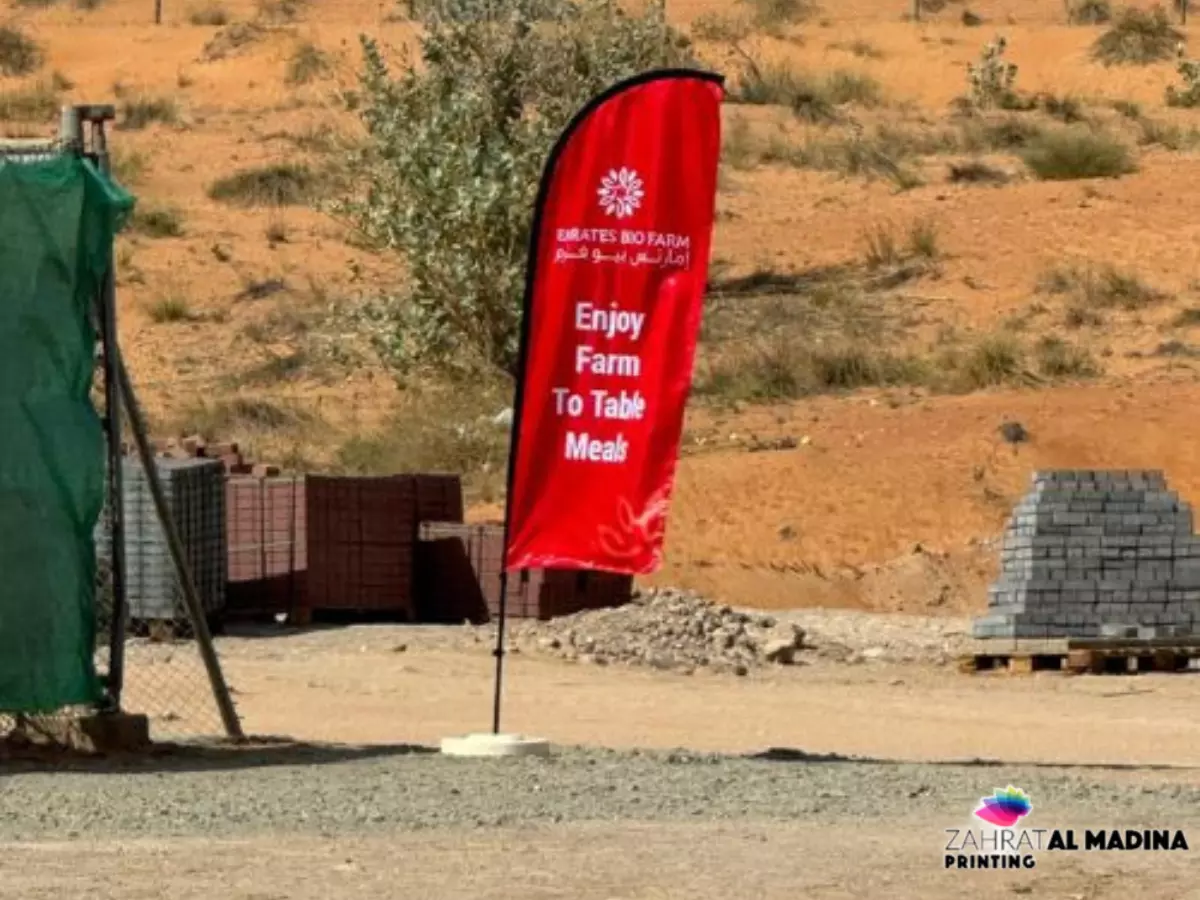
Best Custom Flags Printing: An In-Depth Educational Guide to Modern Flag Printing
Custom flags are widely used across many sectors today. They appear in public spaces, educational institutions, corporate environments, events, and cultural celebrations. While flags may seem simple at first glance, producing a high-quality custom flag requires thoughtful decisions about materials, printing techniques, design, and usage conditions.
This guide explains best custom flags printing in a clear and practical way. It is written for readers who want reliable, up-to-date information about flag printing without sales language or technical confusion.
By the end of this article, readers will understand how custom flags are made, what makes them effective, and how to choose the right printing approach for different needs.
Introduction: The Growing Importance of Custom Flag Printing
Flags have always carried meaning. Historically, they represented nations, groups, or values. In modern environments, custom flags serve many additional purposes. They help guide visitors, communicate messages visually, mark locations, and support events or ceremonies.
Advancements in flag printing technology have made it easier to produce customized designs with high color accuracy and durability. However, not all flags are created equal. Poor material choices or unsuitable printing methods can lead to fading, tearing, or unreadable designs.
Understanding the fundamentals behind best custom flags printing allows individuals and organizations to create flags that are clear, long-lasting, and appropriate for their intended use.
What Is Custom Flag Printing?
Custom flag printing is the process of producing flags based on unique design specifications rather than using pre-made templates. These designs may include logos, text, symbols, patterns, or specific color combinations.
Custom flags are commonly used for:
- Institutional identification
- Directional or informational purposes
- Ceremonial and cultural events
- Sports and community gatherings
The main objective of flag printing is visual communication. A well-printed flag should be visible from a distance, easy to understand, and suitable for the environment where it will be displayed.
Different Types of Flags and Their Uses
Before exploring printing methods, it is important to understand the types of flags commonly produced today.
Outdoor Flags
Outdoor flags are designed to remain visible in open environments. They are typically mounted on poles, buildings, or streets.
Key requirements:
- Resistance to wind and sunlight
- Strong stitching and durable fabric
- Colors that remain visible over time
Examples include national flags, city flags, and institutional flags.
Indoor Flags
Indoor flags are used in controlled environments such as offices, halls, or conference rooms.
Typical features:
- Focus on appearance rather than weather resistance
- Smoother fabrics
- Detailed designs
Indoor flags are often used for formal settings and presentations.
Event and Display Flags
These flags are commonly used for short-term or mobile applications.
Examples include:
- Handheld flags
- Exhibition flags
- Directional flags
They require lightweight materials and clear designs.
Materials Used in Best Custom Flags Printing
Material selection plays a major role in flag performance. The fabric affects how the ink appears, how the flag moves, and how long it lasts.
Polyester Fabric
Polyester is one of the most commonly used materials in flag printing.
Advantages:
- Lightweight and flexible
- Suitable for both indoor and outdoor use
- Allows ink penetration for double-sided visibility
Polyester is often preferred in best custom flags printing because it balances durability and cost.
Nylon Fabric
Nylon has a smooth texture and bright finish.
Key characteristics:
- Vibrant color output
- Quick drying in outdoor conditions
- Good resistance to moisture
Nylon is commonly used in areas with moderate weather conditions.
Decorative Fabrics
For indoor or ceremonial flags, decorative fabrics such as satin are often chosen.
Features:
- Elegant appearance
- Sharp print detail
- Limited durability outdoors
These materials are selected primarily for visual impact rather than strength.
Common Printing Methods in Flag Printing
The method used to print a flag directly affects color quality, durability, and cost.
Dye Sublimation Printing
Dye sublimation is one of the most widely used techniques in modern flag printing.
How it works:
- Heat transfers dye into the fabric
- Ink becomes part of the material rather than sitting on top
Benefits:
- Long-lasting colors
- Resistance to fading and washing
- Suitable for complex designs
This method is commonly associated with best custom flags printing practices.
Screen Printing
Screen printing uses stencils and mesh screens to apply ink.
Key points:
- Best for simple designs
- Efficient for large quantities
- Limited detail compared to digital methods
Screen printing remains useful for basic flag designs.
Digital Direct Printing
Digital printing allows designs to be printed directly from digital files.
Advantages:
- Quick setup
- Ideal for small quantities
- Supports multi-color designs
This method is often used for short-term or customized projects.
Design Principles for Effective Custom Flags
Even the best printing method cannot compensate for poor design. Flag design should prioritize clarity and visibility.
Color Contrast
High contrast ensures visibility from a distance.
Design tips:
- Use light text on dark backgrounds or vice versa
- Avoid using too many similar shades
- Consider how colors appear in sunlight
Simplicity and Layout
Flags are often viewed while moving, so simplicity is essential.
Best practices:
- Limit text to key words or symbols
- Use bold fonts
- Place important elements at the center
Double-Sided Considerations
Most flags are printed on one side, with ink visible through the fabric.
Important notes:
- Text may appear reversed on the back
- Symbols should remain recognizable from both sides
Good planning helps avoid design issues later.
Benefits of High-Quality Custom Flag Printing
Choosing quality materials and methods provides clear advantages.
Strong Visual Impact
A well-printed flag attracts attention and communicates information quickly. This is especially important in busy environments.
Durability and Longevity
High-quality flag printing reduces wear and tear. Durable flags:
- Fade less over time
- Resist tearing
- Maintain a professional appearance
Versatile Applications
Custom flags can be reused across different settings, making them flexible communication tools.
Challenges in Custom Flag Printing
Despite its benefits, flag printing also presents challenges that must be addressed.
Environmental Exposure
Outdoor flags face constant stress from:
- Wind
- Sunlight
- Moisture
Choosing the wrong fabric can significantly reduce lifespan.
Color Accuracy Issues
Colors on fabric may differ from digital designs.
Solutions include:
- Testing samples
- Using accurate color profiles
- Adjusting designs for fabric absorption
Design Limitations
Very detailed designs may not translate well onto fabric.
Common problems:
- Blurred fine lines
- Unreadable small text
Understanding these limitations improves final results.
Real-World Applications of Flag Printing
Educational Institutions
Schools and universities use flag printing for:
- Campus identification
- Sports events
- Academic ceremonies
Durability and clarity are key requirements.
Government and Public Use
Public organizations rely on flags for:
- Official representation
- Civic events
- Public information
Accuracy and consistency are essential in these settings.
Printing Service Providers
Organizations such as Zahrat Al Madina Printing Services operate within the flag printing industry by managing design preparation, material selection, and printing processes. Mentioning such providers helps explain how flag printing services function in practice without promoting specific offerings.
Care and Maintenance of Custom Flags
Proper care helps extend the lifespan of printed flags.
Cleaning Recommendations
- Wash gently with mild detergent
- Avoid high temperatures
- Air dry whenever possible
Storage Guidelines
- Store in dry, shaded areas
- Avoid repeated sharp folds
- Keep away from direct sunlight when not in use
Maintenance ensures that flags remain visually effective.
Environmental Considerations in Flag Printing
Sustainability is becoming increasingly important.
Responsible practices include:
- Using water-based or eco-friendly inks
- Selecting recyclable fabrics
- Minimizing material waste
Modern flag printing is gradually adapting to environmental concerns.
How to Assess Best Custom Flags Printing Choices
When evaluating flag printing options, consider:
- Intended use (indoor or outdoor)
- Exposure to weather
- Required lifespan
- Design complexity
Focusing on these factors leads to better decisions and results.
Read: Flag Printing Dubai: A Practical Guide to Materials, Methods, and
Future Developments in Flag Printing
Flag printing continues to evolve with technology.
Emerging developments include:
- Improved fabric durability
- Enhanced color-fast inks
- More precise digital printing tools
Staying informed helps ensure long-term effectiveness.
Conclusion:
Custom flags are more than decorative items. They are practical tools for communication and identification. Learning about best custom flags printing involves understanding materials, printing methods, design principles, and maintenance practices.
Key takeaways:
- Fabric choice affects performance and durability
- Printing techniques influence color quality and lifespan
- Clear design improves visibility and communication
- Proper care extends usability
By applying this knowledge, readers can approach flag printing projects with confidence and clarity, ensuring effective and lasting results without unnecessary complexity.