Berberine HCL Pakistan Guide: Berberine vs Berberine HCL and Why the Form Matters
Berberine has become one of the most discussed plant-derived compounds in metabolic wellness. It is commonly associated with research on blood glucose regulation, lipid metabolism, digestive health, and weight management.
Yet supplement labels do not always use the same name. Some products say “berberine,” while others specify “berberine HCL,” leaving many consumers unsure whether the two are identical or whether one form is more effective.
The distinction matters because supplement quality depends on more than the ingredient’s popular name.
The chemical form, amount per serving, delivery format, additional ingredients, manufacturing controls and storage conditions can all influence how consistently a product fits into a daily routine.
For consumers researching berberine HCL Pakistan, the most useful starting point is this: berberine and berberine HCL refer to the same core active compound, but berberine HCL identifies a commonly used hydrochloride salt form.
The “HCL” describes how the ingredient is prepared for use in a supplement; it does not turn berberine into a completely different substance.
What Is Berberine?
Berberine is a naturally occurring isoquinoline alkaloid found in several plants, including species of Berberis, European barberry, goldenseal, Oregon grape and tree turmeric.
Plants containing berberine have a long history of use in Ayurvedic and traditional Chinese medicine. Modern supplements isolate and standardize the compound rather than requiring consumers to use variable amounts of whole plant material.
Most current interest focuses on berberine’s possible effects on metabolic pathways.
Research has examined its relationship with glucose metabolism, insulin sensitivity, cholesterol, triglycerides, digestive function and body-weight outcomes. However, these areas do not all have equally strong evidence.
A 2025 overview of systematic reviews found potentially beneficial associations across several outcomes,
but it also reported that most included reviews were of low or very low methodological quality. Berberine is scientifically interesting, but it should not be described as a guaranteed treatment.
What Is Berberine HCL?
Berberine HCL means berberine hydrochloride. In supplement manufacturing, active compounds are often prepared as salts to create a material that can be measured and formulated consistently. The hydrochloride designation identifies the chemical form supplied by the ingredient manufacturer.
Once consumed, the biologically relevant component remains berberine. Therefore, the difference between “berberine” and “berberine HCL” is primarily a formulation distinction rather than a difference between two unrelated ingredients.
Berberine HCL is also one of the forms commonly used in research and commercial supplements.
The HCL label should not automatically be interpreted as proof that a product is stronger, faster or clinically superior. Berberine has low oral bioavailability, and simply using the hydrochloride form does not eliminate its absorption limitations.
Direct comparisons between every available berberine form remain limited, so claims that one salt is universally better than all others should be treated cautiously.
Berberine vs Berberine HCL: The Practical Difference
The comparison can be simplified into four points:
- Core compound: Both terms refer to berberine as the active compound.
- Chemical description: “Berberine HCL” identifies the hydrochloride salt used in the formulation.
- Research relevance: Many studies use berberine hydrochloride, although doses and outcomes vary.
- Product quality: The HCL designation alone does not prove purity, accurate dosing or good manufacturing.
This explains why a poorly documented product labelled “berberine HCL” may be less reliable than a transparent product that clearly states its dose, serving size, batch information, ingredients and testing standards.
Does the Form Affect Berberine HCL Benefits?
The form can matter, but not in the exaggerated way sometimes suggested in supplement marketing.
Berberine HCL benefits depend on the actual amount of active ingredient, consistency of use, the consumer’s health status, accompanying diet and activity, medication use and formulation quality.
Evidence suggests berberine may have a modest glucose-lowering effect in people with type 2 diabetes and may help improve certain cholesterol measures. At the same time, evidence for meaningful weight loss remains insufficient because rigorous human trials are limited.
Berberine should therefore be viewed as a supplement under investigation, not as a substitute for prescribed diabetes, cholesterol or weight-management treatment.
Consumers should distinguish between supporting normal biological functions and treating a diagnosed condition. A label may describe support for glucose metabolism or metabolic wellness, but a person with diabetes, insulin resistance or cardiovascular disease requires individualized medical management.
Berberine HCL Gummies vs Capsules
Berberine HCL Gummies and capsules can contain the same active form, but the delivery experience differs.
Capsules are often easier to formulate with fewer taste-masking ingredients and may accommodate more powder. Gummies can be more convenient for people who dislike swallowing capsules and may support routine consistency.
Neither format is automatically better. A useful comparison should consider:
- The amount of berberine HCL per serving
- The number of gummies or capsules required
- Added sugars, flavours or sweeteners
- Halal and other dietary-suitability information
- Independent testing and manufacturing standards
- Storage requirements
Consumers should pay particular attention to “per gummy” versus “per serving.” A front label may display a large milligram number even when that amount requires two or more gummies. The supplement or nutrition panel should make the full serving size clear.
How to Choose Berberine HCL in Pakistan
People evaluating Berberine HCL in Pakistan should look beyond social-media claims and packaging design.
The label should state whether the product contains berberine HCL, how many milligrams are provided per serving and how many servings are included.
Useful quality indicators include a visible batch number, manufacturing and expiry dates, intact tamper protection, complete ingredient disclosure, storage instructions and contact information for the seller or manufacturer.
Claims such as “lab tested” or “GMP manufactured” are more meaningful when the company can explain what was tested and where the product was made.
Storage also matters. Gummies can soften or stick together when exposed to prolonged heat and moisture. Products should be kept sealed, dry and away from direct sunlight according to the packaging instructions.
Safety, Side Effects and Medication Interactions
Natural origin does not mean risk-free. Commonly reported adverse effects of oral berberine include abdominal discomfort, constipation, diarrhoea, nausea and vomiting.
Berberine may also interact with medicines, including treatments that affect blood glucose. People using prescription medication should consult a qualified physician or pharmacist before starting it.
Berberine should not be used during pregnancy or breastfeeding, and it should not be given to infants. Extra caution is appropriate for people with diagnosed liver, kidney, cardiovascular or glucose-regulation conditions.
A supplement should complement—not delay—appropriate medical assessment.
Why Accurate Terminology Matters
Calling every product simply “berberine” may be convenient, but “berberine HCL” helps consumers compare like with like.
It clarifies the ingredient form and makes it easier to review the dose used in research or listed on a product panel.
Still, terminology is only the first layer of quality assessment.
A credible berberine supplement should combine accurate labelling with realistic claims. It should not promise rapid fat loss, cure diabetes or present itself as equivalent to prescription medication.
Responsible communication explains where evidence is promising, where it remains uncertain and which consumers require professional guidance.
Conclusion
Berberine is the plant-derived active compound, while berberine HCL is a commonly used hydrochloride form of that same compound.
The HCL designation offers useful formulation detail, but it does not by itself guarantee superior absorption, stronger results or better product quality.
For people comparing berberine HCL Pakistan options, the most important factors are the disclosed dose, complete ingredient list, serving size, quality testing, storage conditions and suitability for individual health circumstances.
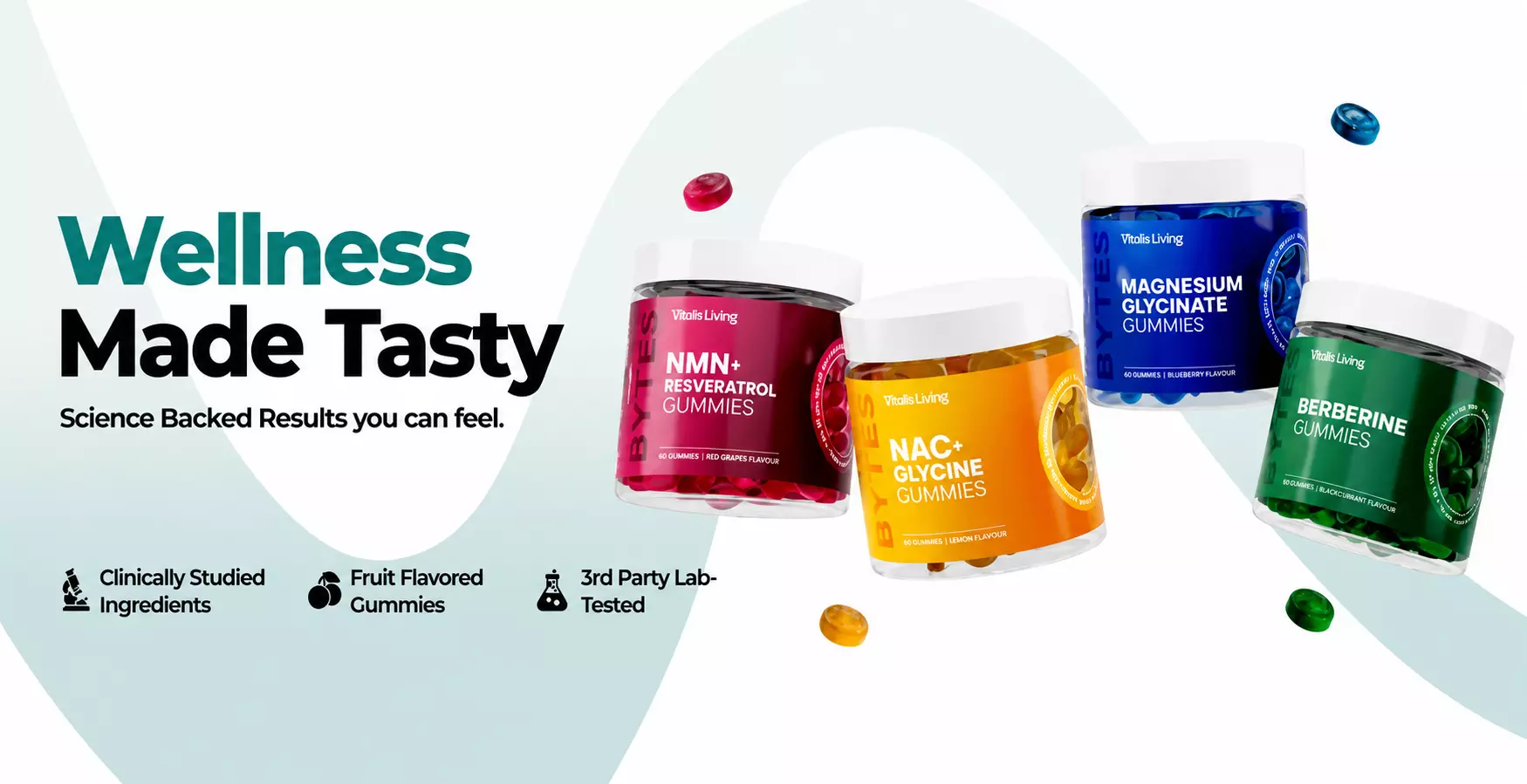
Vitalis Living is one locally available gummy-format example, but any purchasing decision should be based on transparent labelling and informed health guidance rather than marketing language alone.
FAQs
1. Is berberine the same as berberine HCL?
Berberine is the active plant compound, while berberine HCL is its hydrochloride salt form commonly used in supplements. They are not unrelated ingredients; the HCL label provides more specific formulation information.
2. Is berberine HCL stronger than regular berberine?
Not necessarily. “HCL” does not automatically mean stronger or more effective. The actual dose, purity, formulation quality, consistency and individual health factors are more important than the name alone.
3. Do Berberine HCL Gummies provide the same ingredient as capsules?
They can. Both formats may contain berberine hydrochloride, but consumers should compare the milligrams per full serving and review added ingredients such as sugars, flavours, sweeteners and gelling agents.
4. What should a berberine supplement label include?
A useful label should identify the active form, amount per serving, serving size, complete ingredient list, batch details, manufacturing and expiry dates, storage instructions and manufacturer contact information.
5. Can berberine HCL be taken with diabetes or cholesterol medication?
It should not be combined with prescription medication without professional advice. Berberine can affect glucose metabolism and may interact with medicines, so a physician or pharmacist should assess the individual treatment plan first.