Benefits of Couple Therapy Sessions: How Couples Counseling Rebuilds Trust and Connection
Feeling disconnected, misunderstood, or stuck in the same recurring arguments with your partner? You are not alone—and your relationship is not beyond repair. When daily stressors, unresolved conflict, or emotional drift begin to weigh on a relationship, knowing where to turn can feel overwhelming.
The benefits of couple therapy sessions extend far beyond simply resolving everyday disagreements.
Modern relationship counseling provides couples with evidence-based strategies to restore trust, foster deep emotional intimacy, and build a lasting foundation for the future.
What Is a Couple Therapy Session?
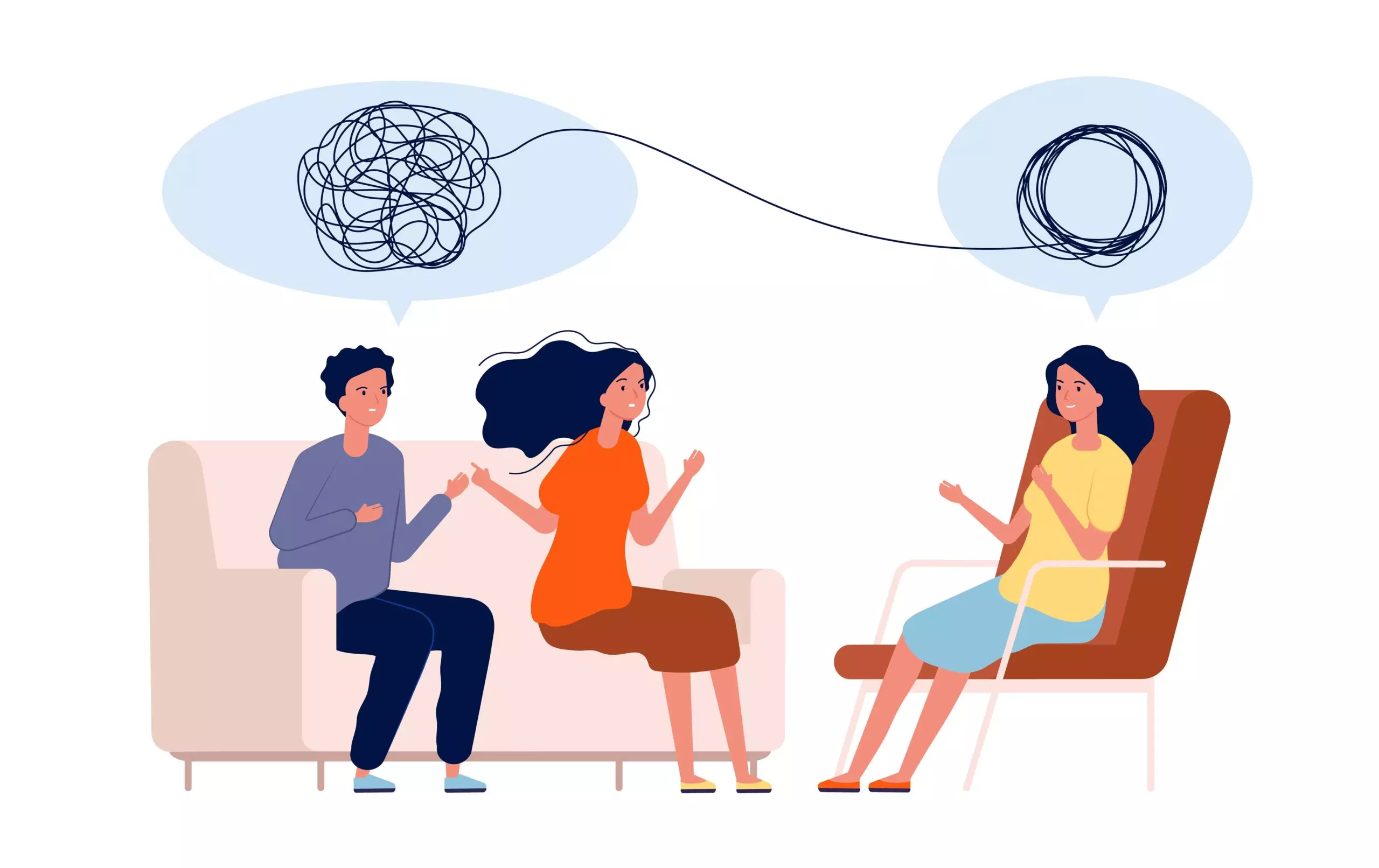
A couple therapy session is a structured form of psychotherapy where two partners work with a licensed mental health professional to explore conflict patterns, improve emotional connection, and resolve relational distress.
Unlike casual conversations or advice from friends, couples therapy offers a neutral, confidential space guided by evidence-based frameworks such as:
- EFT (Emotionally Focused Therapy): Focuses on identifying attachment needs and reshaping emotional responses.
- The Gottman Method: Uses thorough assessment and practical skill-building to improve conflict resolution and intimacy.
- CBT for Couples (Cognitive Behavioral Therapy): Helps partners identify unhelpful thought patterns and behaviors that trigger distress.
7 Evidence-Based Benefits of Couple Therapy Sessions
1. Break Communication Patterns
2. Rebuild Broken Trust
3. Reconnect Emotionally & Intimately
4. Navigate Major Life Transitions
5. Identify & Break Toxic Cycles
6. Develop Conflict Resolution Skills
7. Gain Clarity on the Relationship's Future
Read: Where Miracles Begin: Delhi's Most Recommended IVF
1. Breaking Destructive Communication Patterns
Communication breakdowns are among the most common reasons partners seek guidance.
Research published by the American Psychological Association (APA) highlights that couples therapy significantly improves relationship satisfaction by teaching partners how to shift away from defensive, critical communication habits.
In therapy, you learn to move away from blaming statements and adopt healthier expressions of your needs.
Example: Instead of saying "You never listen to me," therapy helps you express "I feel unheard when we discuss finances, and I need us to talk through this calmly together."
2. Rebuilding Broken Trust After Infidelity or Betrayal
Trust is fragile, and once breached—whether through emotional infidelity, financial dishonesty, or broken promises—repairing it independently can feel impossible.
A structured therapy environment allows couples to unpack breach of trust without descending into further conflict. A skilled therapist guides the betrayed partner through healing while helping the other take genuine accountability.
3. Restoring Emotional and Physical Intimacy
Over time, routine, work stress, and parenting demands can cause partners to feel like roommates rather than lovers.
Couples therapy provides exercises that encourage vulnerability, helping you reconnect with the reasons you chose each other in the first place. Restoring emotional closeness frequently re-ignites physical affection and sexual intimacy.
4. Navigating Major Life Transitions Smoothly
Even positive life changes introduce relational stress. Couples therapy acts as a proactive tool during major life shifts, including:
- Planning a marriage or cohabitation
- Adjusting to parenthood
- Career changes or relocations
- Caring for aging parents
- Navigating an empty nest
5. Identifying Unconscious Relationship Dynamics
Many conflicts stem from individual attachment styles formed in childhood or past relationships.
When you understand psychology and how individual backgrounds influence current relationship dynamics, it becomes easier to respond to your partner with empathy rather than reactivity.
6. Learning Healthier Conflict Resolution Skills
Disagreements are a natural component of any partnership; the difference between thriving couples and struggling couples lies in how they handle conflict.
Through counseling, partners master practical techniques, such as:
- Recognizing physiological flooding (when stress makes calm conversation impossible)
- Taking structured "time-outs" during heated debates
- Validating each other's feelings—even when disagreeing on the facts
7. Gaining Clarity on Your Future Together
While the goal of couples counseling is usually reconciliation, another vital benefit is gaining complete clarity. Therapy provides a compassionate space to evaluate whether both partners are aligned in their values, goals, and commitment levels.
Common Misconceptions About Relationship Therapy
Myth
Fact
"Therapy is only for relationships on the brink of divorce."
Seeking therapy early prevents small issues from escalating into major resentment.
"The therapist will take sides."
A professional therapist remains neutral, viewing the relationship itself as the client.
"If we need counseling, our relationship has failed."
Investing in therapy demonstrates commitment, proactive care, and dedication.
How Online Couples Therapy Works
With modern digital care, accessing support is more straightforward than ever. You can now connect with a licensed online psychologist from the comfort of your home, removing the friction of travel and scheduling conflicts.
Step 1: Initial Assessment
Both partners share their goals, relationship history, and primary concerns.
Step 2: Identifying Pattern
The therapist maps out recurring conflict loops and emotional triggers.
Step 3: Skill Building & Practice
Couples learn and practice active listening, boundary setting, and de-escalation.
Step 4: Integration & Growth
New habits are applied in daily life to cultivate long-term relationship resilience.
If you are ready to take the next step toward a healthier, more fulfilling partnership, you can explore specialized online therapy sessions designed to fit your unique relationship needs.
Taking the First Step Together
Investing in a couple therapy session is one of the most powerful steps you can take for the long-term health of your partnership.
Whether you need to heal deep wounds or simply want to refresh your connection, professional guidance provides the tools necessary to grow together.
If you or your partner are experiencing acute emotional distress, crisis, or safety concerns, please reach out for immediate support. You can call or text the 988 Suicide & Crisis Lifeline (in the U.S. and Canada) or contact your local emergency services.
Key Takeaways
- Couples therapy equips partners with practical skills for emotional expression, conflict resolution, and trust restoration.
- Starting therapy early prevents small misunderstandings from becoming chronic resentment.
- Professional therapists offer an unbiased, empathetic space focused on the health of your relationship.
Ready to strengthen your bond? Speaking with a licensed professional is a clear, compassionate first step. Connect with our dedicated care team today on Psychologist2Go's official blog platform to learn more about relationship wellness and therapeutic support.