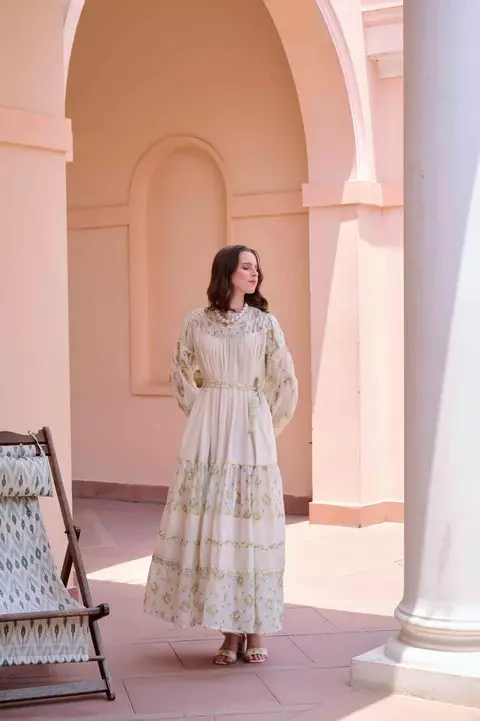
Beating the Heat Without Losing Your Style: A Real Guide to Dressing for Summer Weather
Every summer brings the same predictable dilemma: the temperature climbs, the humidity sets in, and suddenly your entire wardrobe feels like it's working against you. Fabrics that looked great in spring now feel unbearable by noon.
Outfits that once required minimal thought now demand a full strategic overhaul just to get out the door comfortably. There is, thankfully, a simpler solution — and it starts with understanding why some fabrics beat the heat and others simply don't.
This is your practical, no-nonsense guide to dressing for genuinely hot weather without sacrificing a shred of style along the way.
The Real Reason Some Outfits Feel Unbearable in Heat
Most summer discomfort isn't actually about temperature — it's about airflow. Fabrics that cling to the body, trap moisture, or lack any breathing room create a sauna-like effect regardless of how "light" the garment might look.
This is why two dresses that appear equally summer-appropriate on a hanger can feel completely different once you're actually wearing one in 90-degree heat.
Style Note: Heat tolerance in clothing has less to do with how little fabric you're wearing and everything to do with how well that fabric breathes.
Why Cotton Consistently Outperforms in Hot Weather
Cotton fiber has a natural structure that allows it to absorb moisture and release it into the air, rather than trapping sweat against your skin the way synthetic fabrics like polyester tend to do. This single property is why cotton remains one of the most reliably comfortable fabrics for genuinely hot, humid conditions — not just warm ones.
The Science, Simplified
- Cotton fibers are naturally porous, allowing air circulation
- The fabric absorbs perspiration rather than repelling it, aiding evaporation
- Loosely woven cotton (like voile or gauze) maximizes airflow even further
- Cotton doesn't generate the static cling that traps heat against skin
Choosing the Right Weight and Weave
Not all cotton is created equal when it comes to heat performance. Heavier weaves like canvas or twill, while still breathable compared to synthetics, won't perform nearly as well in serious heat as lighter options.
Best Cotton Weaves for Hot Weather
- Voile: Extremely lightweight and semi-sheer, ideal for the hottest days
- Gauze: Slightly textured, loosely woven, excellent airflow
- Poplin: A touch more structured, still breathable, great for polished daytime looks
- Jersey knit: Soft and stretchy, good for relaxed, body-skimming silhouettes
Silhouettes That Maximize Comfort
Fabric matters enormously, but silhouette plays an equally important role in how hot an outfit actually feels to wear. A well-chosen cut allows air to circulate freely around the body rather than trapping heat close to the skin.
What to Look For
- Loose, flowing shapes that create space between fabric and skin
- Higher hemlines or side slits for airflow around the legs
- Open or scooped necklines to avoid trapping heat near the collarbone
- Minimal lining, since extra fabric layers add unnecessary warmth
Style Note: If a dress requires you to hold it away from your body to feel comfortable, the silhouette — not just the fabric — needs rethinking.
Read: Upgrade Your Look with Ready-to-Wear Pakistani Dresses
Building a Heat-Proof Summer Capsule
A genuinely heat-resistant summer wardrobe doesn't need to be complicated. A handful of well-chosen, breathable cotton summer dresses can realistically cover the vast majority of hot-weather occasions, from morning errands to evening dinners.
The Essentials
- One flowy maxi dress in a lightweight voile or gauze
- One tiered midi dress for daytime versatility
- One structured poplin shirt dress for slightly more polished settings
- A wide-brimmed hat and breathable sandals to round out the look
For anyone rebuilding their wardrobe around genuine heat performance rather than just aesthetics, it's worth exploring a collection of properly breathable cotton summer dresses designed with fabric weight and airflow specifically in mind, rather than dresses that merely look lightweight without actually performing that way.
Small Habits That Make a Big Difference
Beyond fabric and silhouette, a few simple habits can meaningfully improve how comfortable you feel in hot weather.
- Choose lighter colors, which reflect rather than absorb heat
- Avoid layering unless absolutely necessary for sun protection
- Keep accessories minimal — heavy jewelry and bags add unnecessary heat retention
- Opt for open-toe, breathable footwear over closed shoes
Final Thoughts
Staying stylish through genuinely hot weather isn't about sacrificing comfort for the sake of appearance — it's about understanding which fabrics and silhouettes actually deliver both.
Once you build your summer wardrobe around breathable cotton, appropriate weaves, and airflow-friendly cuts, the heat stops dictating your outfit choices, and you finally get to dress for how you want to look, not just how you're desperately trying to survive the temperature.