BAC Solution Guide: Uses, Benefits & Safe Reconstitution
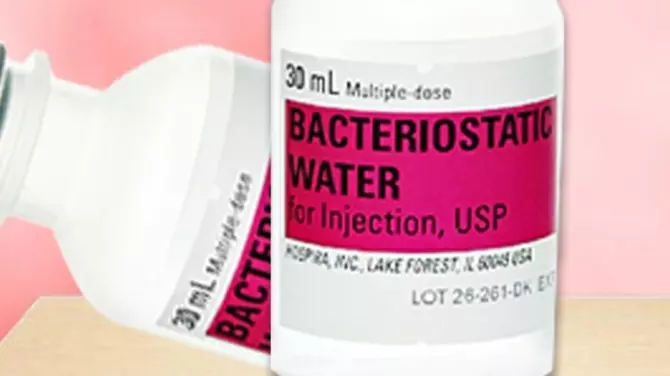
BAC solution, commonly known as bacteriostatic water, plays a critical role in modern pharmaceutical preparation and medication reconstitution.
Healthcare professionals, researchers, and patients rely on it to safely dilute injectable medications while maintaining sterility over multiple uses.
Understanding how BAC solution works, where it fits best, and how it differs from other reconstitution options helps prevent contamination and improves medication handling.
Unlike plain sterile water, BAC solution contains a preservative that actively inhibits bacterial growth. This single difference changes how long a vial remains usable and how safely it can support multi-dose applications.
What Is a BAC Solution?
BAC solution is sterile water for injection that contains 0.9 percent benzyl alcohol as a preservative. Manufacturers design it specifically to slow bacterial growth once a vial is opened. Because of this property, clinicians often use it for medications that require repeated withdrawals from the same vial.
Pharmacies commonly label it as bacteriostatic water USP, indicating compliance with United States Pharmacopeia standards.
The solution itself does not treat infections or provide therapeutic effects. Its sole function involves safely diluting or reconstituting medications before injection.
BAC solution typically comes in multi-dose vials and remains clear, colorless, and odorless. When used correctly under aseptic conditions, it supports safer medication handling in both clinical and home-based environments.
Composition and How BAC Solution Works
Role of Benzyl Alcohol
Benzyl alcohol acts as the defining component of a BAC solution. At a concentration of 0.9 percent, it interferes with bacterial cell membranes, slowing reproduction rather than killing organisms outright.
This bacteriostatic action reduces contamination risk after the vial seal is punctured.
Because benzyl alcohol does not eliminate bacteria entirely, users must still follow strict sterile techniques. The preservative simply adds an extra layer of protection that plain sterile water does not offer.
Why It Prevents Bacterial Growth
Once a vial opens, airborne microbes can enter despite careful handling. BAC solution limits bacterial multiplication inside the liquid, which allows the same vial to remain usable for a longer period.
This characteristic explains why medical professionals often prefer it for medications that require gradual dosing over days or weeks.
Common Uses of BAC Solution
BAC solution supports a wide range of medical and scientific applications due to its stability and preservative properties.
Pharmaceutical and Clinical Settings
Hospitals and clinics regularly use BAC solution to reconstitute injectable drugs that come in powdered form. Antibiotics, hormones, and certain biologics often require dilution before administration.
Multi-dose vials benefit most from bacteriostatic properties, as staff can safely withdraw doses over time.
Peptides and Hormone Reconstitution
Peptide therapies frequently involve small, precise dosing schedules. BAC solution allows repeated access to a reconstituted vial without rapid bacterial growth. Many clinicians choose it for compounds that patients self-administer under guidance.
Research and Laboratory Use
Laboratories rely on bacteriostatic water when preparing solutions that need temporary preservation. Researchers value its predictable behavior and standardized composition, especially when accuracy and repeatability matter.
BAC Solution vs Sterile Water for Injection
Although both liquids appear similar, their use cases differ significantly. Sterile water for injection contains no preservatives. Once opened, it supports only single-use applications. Any leftover solution must be discarded immediately.
BAC solution, by contrast, supports multi-dose usage due to benzyl alcohol. This difference affects storage life, safety protocols, and cost efficiency.
Key distinctions include:
- Sterile water requires immediate disposal after opening
- BAC solution remains usable for several days when stored correctly
- BAC solution suits repeated dosing schedules
- Sterile water works best for single-dose injections or preservative-sensitive patients
Clinicians choose between the two based on medication type, patient profile, and dosing frequency.
Benefits of Using BAC Solution
BAC solution offers practical advantages that extend beyond convenience. Its preservative properties reduce waste by allowing extended vial use. Healthcare providers also gain flexibility when scheduling doses.
Other benefits include:
- Improved contamination control
- Better suitability for long-term dosing regimens
- Cost savings through reduced discard rates
- Consistent dilution for precise dosing
These advantages explain its widespread adoption in both professional and supervised home-use environments.
How to Use BAC Solution Safely
Correct handling matters just as much as the solution itself. Improper technique can override the benefits of bacteriostatic protection.
Proper Reconstitution Steps
Users should always sanitize vial stoppers with alcohol swabs before inserting a needle. Drawing air into the syringe before injecting BAC solution helps maintain internal pressure.
Slow injection along the vial wall reduces foaming and preserves medication stability.
Mixing should occur gently without shaking, especially for peptides or fragile compounds. Vigorous motion can degrade sensitive substances and reduce effectiveness.
Storage and Shelf Life
Once opened, BAC solution typically remains usable for up to 28 days if stored under recommended conditions. Refrigeration often extends stability after reconstitution, though exact timelines depend on the medication manufacturer’s guidance.
Vials should remain sealed tightly, labeled with the opening date, and kept away from direct light and heat.
Read: Rehealth Stem Cells: A Modern Path Toward Regenerative
Safety, Storage, and Regulatory Standards
Regulatory authorities classify BAC solution as safe for most adult uses when handled correctly. USP compliance ensures consistent concentration and sterility during manufacturing.
However, benzyl alcohol can cause adverse reactions in neonates, which is why clinicians avoid bacteriostatic water in infant care.
Users should always follow prescribing instructions and discard solutions showing discoloration, cloudiness, or particulate matter. Proper disposal prevents accidental misuse and contamination.
Frequently Asked Questions
What does BAC solution stand for?
BAC solution refers to bacteriostatic water, a sterile water preparation containing benzyl alcohol to inhibit bacterial growth.
Can BAC solution be used for all injectable medications?
No. Some medications require preservative-free diluents. Always follow manufacturer or healthcare provider instructions.
How long does BAC solution last after opening?
Most guidelines recommend using it within 28 days when stored properly under sterile conditions.
Is BAC solution the same as saline?
No. Saline contains sodium chloride, while BAC solution consists of sterile water with benzyl alcohol.
Why do peptides often use BAC solution?
Peptides typically require repeated dosing. BAC solution helps maintain sterility during multiple withdrawals.
Can BAC solution be frozen?
Freezing is not recommended. Temperature extremes may affect preservative stability and sterility.