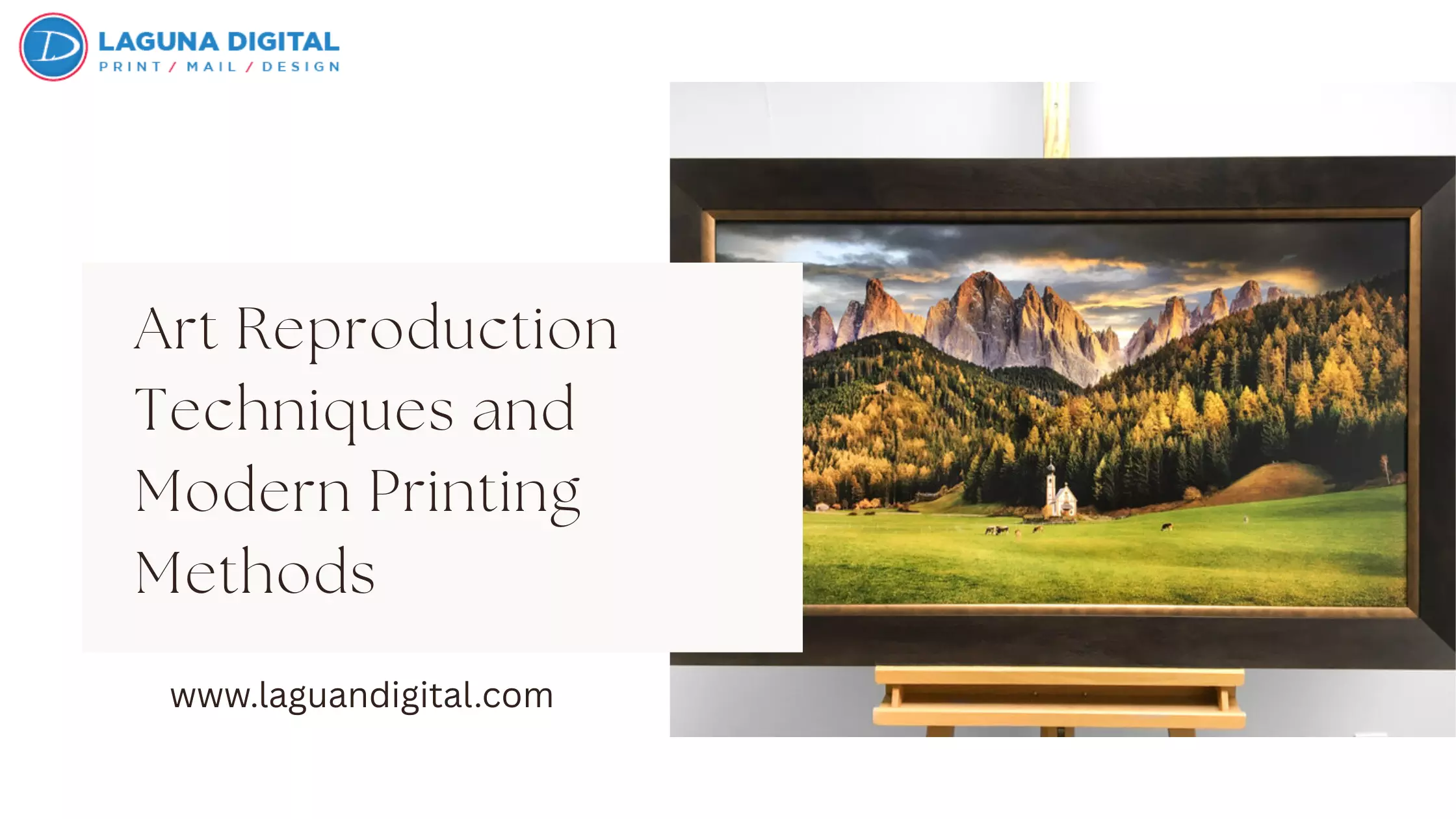
Art Reproduction Techniques and Modern Printing Methods
Working with artists, galleries, and business owners teaches us one very specific lesson about translating original pieces into marketable prints.
Capturing the exact emotion, brushstroke, and color depth of an original canvas often frustrates even the most experienced creators.
You spend months perfecting a painting, only to find that the printed copies look flat, washed out, or entirely off-balance. Resolving this disconnect requires a deep understanding of proper Art Reproduction techniques.
We guide creators through this process daily to ensure their prints match the heart and soul of the original work.
Transitioning from Traditional Artwork to Digital Files
Overcoming the Color Matching Challenge
When creators bring us a canvas, their primary concern almost always revolves around color accuracy. Oil and acrylic paints interact with light in ways that a standard digital screen simply cannot replicate on its own.
Translating a physical pigment into a digital profile means we must carefully manage color spaces from the initial scan right down to the final drop of ink.
Neglecting color management profiles usually results in muddy shadows and muted highlights that disappoint collectors.
Capturing Authentic Texture and Depth
Another major hurdle involves translating the physical texture of a medium onto a flat sheet of paper.
Thick impasto strokes cast tiny shadows that give a painting its life and dimensional presence. We use specialized lighting setups to photograph or scan the work, ensuring those micro-shadows translate perfectly into the digital file.
This approach tricks the eye, making a completely flat print feel as though it holds the exact physical depth of the original masterpiece.
Selecting the Right Modern Printing Method
The Standard of Giclée Printing
Artists and galleries consistently prefer giclée printing for high-end, limited-edition runs that demand museum-level quality. This method relies on high-resolution inkjet printers utilizing pigment-based inks instead of standard dye-based alternatives.
Pigment inks offer incredible longevity, resisting fading and environmental degradation for decades when paired with acid-free archival paper. We recommend this route whenever a client needs to provide their buyers with a true investment piece.
Commercial Printing for Retail Markets
Sometimes a business needs to produce a large volume of prints for retail shops, greeting cards, or promotional materials. In these scenarios, high-end archival printing rarely makes financial sense for the client.
We guide these projects toward high-quality digital offset printing, which balances excellent color reproduction with cost-effective volume scaling.
Understanding the end-user dictates exactly which printing method makes the most sense for your specific business goals.
Preparing Digital Files for the Press
The Importance of High-Resolution Digitization
A stunning print starts long before the paper ever touches the printing press. Taking a quick photo with a smartphone will never provide the necessary data for a crisp, professional enlargement.
We capture artwork using ultra-high-resolution equipment to ensure we record every single detail, from canvas weave to subtle color gradients. Providing the printer with a massive, data-rich file guarantees the final product remains razor-sharp, even at large dimensions.
Approving Physical Proofs Before Production
Rushing straight into a full production run often leads to costly mistakes and wasted materials. A digital screen emits light, while a printed page absorbs light, meaning a file will always look slightly different in your hands than on your monitor.
We always insist on running physical proofs or test strips on the actual paper stock chosen for the final project. Reviewing these physical samples allows us to make final adjustments to contrast and saturation before printing the full batch.
Read: Professional Vector Tracing Services | Custom Vector Art
Elevating Your Fine Art Business Operations
Meeting Gallery and Collector Expectations
Art buyers expect consistency, longevity, and professionalism when they purchase a reproduction. If your prints fade after a few years or exhibit banding from low-quality machines, your reputation as a serious creator suffers.
We help artists build trust with their audience by standardizing their reproduction process and maintaining strict quality control. Delivering an exceptional product every time turns one-time buyers into lifelong collectors who champion your work.
Exploring New Industry Technologies
The printing industry continuously evolves, offering new tools to enhance how we capture and replicate fine art. We stay updated on software advancements that help refine resolution, remove dust, and perfect color grading.
For example, understanding how AI improves image processing allows us to rescue older, low-quality scans that previously seemed unusable.
Embracing these modern tools ensures your business stays competitive without sacrificing the authenticity of your craft.
Conclusion
Navigating the complex world of art replication requires a steady balance of artistic respect and technical expertise. We see firsthand how the right digitization and printing choices can transform a struggling creative business into a highly profitable venture.
Taking the time to master color matching, file preparation, and material selection elevates your work and protects your professional reputation. If you need a partner who truly understands the printing process, reach out to the team at Laguna Digital. We stand ready to help you bring your vision to life with precision and care.