Are You Ready to Revolutionize Health with a Digital Blood Pressure Monitor?
Are you thinking about taking charge of your health? Let me ask — have you considered using a digital blood pressure monitor? Over the last few years I’ve been fascinated by how accessible and precise they've become. And I'll tell you, this device isn't just for hospitals or clinics—it can belong on your home shelf too.
This post will cover what makes a digital blood pressure monitor an essential tool for everyday wellness, how to use it properly, and why it can help you and your loved ones stay healthier, longer.
What Is a Digital Blood Pressure Monitor?
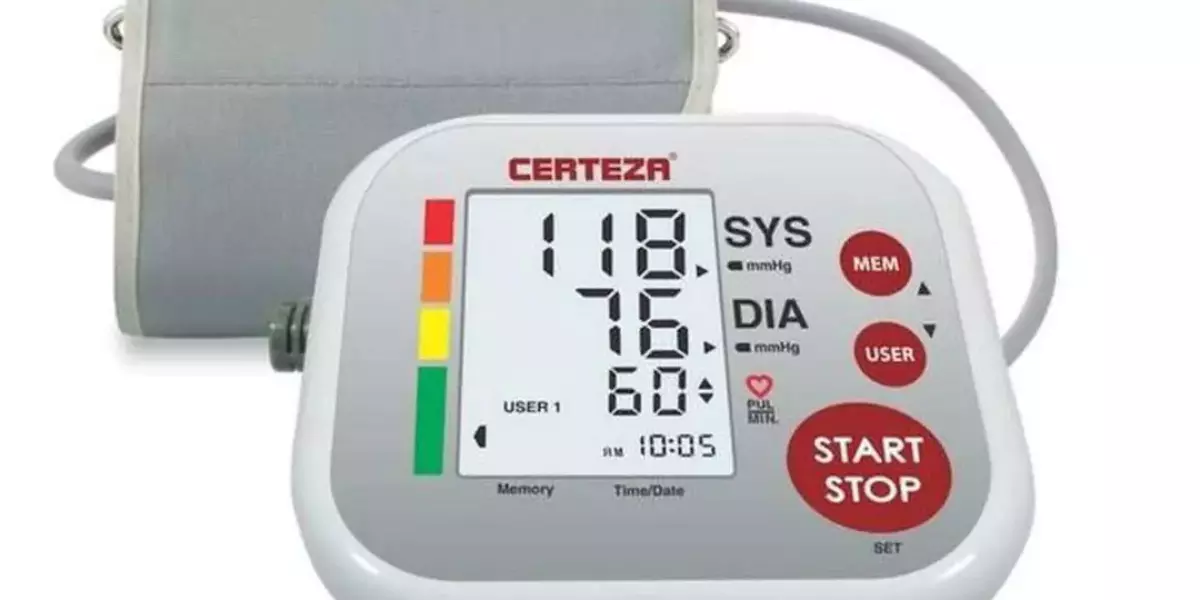
A digital blood pressure monitor is a small, electronic device that measures your blood pressure. It’s powered by battery or plug, uses an inflatable cuff, and displays your systolic and diastolic readings on a screen in seconds. Unlike the old-school manual ones that need training, this is designed for anyone—no stethoscope required.
Ask yourself:
- Would it be cool to check your BP before heading out?
- Or maybe after a long day, just to see how you're doing?
That’s exactly why the digital blood pressure monitor is becoming a household staple.
Why You Should Use One
- Early Detection of Issues
- With regular use, a digital blood pressure monitor can highlight high or low readings early on before they become dangerous. Early detection means early intervention.
- Easy Tracking Over Time
- Many models memory-store previous readings. This makes tracking patterns across weeks and months super easy—no need to journal by hand!
- Convenience & Independence
- You gain the freedom to monitor your own health at home, saving clinic trips and time.
- Better Doctor-Patient Conversations
- Having recorded data from your digital blood pressure monitor helps health professionals make more informed decisions when you visit them.
Choosing the Right Device
There are many options when shopping for your digital blood pressure monitor, so keep these in mind:
- Cuff Size: Make sure it fits your arm comfortably.
- Accuracy: Look for models validated by medical authorities.
- Display: Should be large, clear, and easy to read.
- Extra Features: Some models sync with your phone, track data trends, or have multiple user profiles.
When I got mine, I nearly overlooked cuff size—turns out an ill-fitting cuff gave me misleading readings. Lesson learned: choose wisely!
How to Use It Correctly
Correct technique is super important. Follow these steps:
- Sit quietly for 5 minutes before measuring.
- Rest your arm on a flat surface at heart level.
- Apply the cuff snugly—not tight, not loose.
- Press start, relax, breathe normally.
- Record the values—systolic (top), diastolic (bottom), sometimes pulse.
Repeat two to three times and average them. That’s the power of a digital blood pressure monitor. It’s simple but needs discipline.
Interpreting Results
Generally, normal blood pressure is around 120/80 mm Hg. Higher, and you might be heading toward hypertension; lower could indicate hypotension. Here’s a quick guide:
- Below 120/80: Normal
- 120–139 / 80–89: Prehypertension
- 140+/90+: Hypertension
Your digital blood pressure monitor reading doesn’t diagnose, of course—but it gives you valuable clues. When numbers trend high, it's time to consult a doctor and maybe adjust diet or activity. If numbers dip too low, same thing.
Real-Life Impact
Let me share a story: my uncle has hypertension and didn’t realize how often his numbers spiked until we set him up with a digital blood pressure monitor. Within weeks, the data helped his doctor fine-tune his medication. He said, “I never knew I felt better until I saw I was better.”
These personal stories show that simple tools, used regularly, make a difference.
Common FAQs
Q: Can I rely entirely on this device at home?
A: It’s reliable for home monitoring, but it doesn't replace professional care. Always share readings with your doctor.
Q: What about wrist monitors vs. arm monitors?
A: Wrist monitors are more portable but can be less accurate. Arm cuff devices are usually best.
Q: How often should I measure?
A: Many experts recommend morning + evening readings (2 per day) for a week before your appointment.
Maintenance & Care
Caring for your digital blood pressure monitor is simple:
- Store it in a cool, dry place.
- Replace batteries on time.
- Keep the cuff clean & check for wear.
- Bring the monitor to your doctor for calibration annually.
Lifestyle Tips to Support Healthy BP
Using a digital blood pressure monitor is one part of the equation. Complement it with:
- A balanced diet (e.g., DASH diet).
- Regular exercise routine.
- Stress management techniques (like meditation or breathing).
- Reducing salt intake and avoiding excessive alcohol.
These habits help your readings improve, boosting both regulation and peace of mind.
Health Management Plan
- Pick a quality digital blood pressure monitor
- Measure daily morning/evening for consistency
- Log readings—manual journal or app
- Share trends with your healthcare provider
- Implement lifestyle changes as suggested
- Monitor progress monthly
- Adjust as needed, under medical advice
This structure—you, empowered with data from your digital blood pressure monitor—builds a proactive health mindset.
Final Thoughts
Let me ask again: are you ready to revolutionize how you monitor health? A digital blood pressure monitor isn’t just a gadget—it’s a life tool, offering clarity, control, and confidence. And sure, it’s a small investment for the peace of mind it brings.
If you’ve thought, “Maybe I’ll start tomorrow,” here’s your prompt: start today. Place a digital blood pressure monitor on your shopping list, or ask your doctor about it at your next checkup. Once it’s woven into your daily routine, you’ll wonder how you ever lived without it.
Remember: health is a journey. The digital blood pressure monitor is a helpful companion.
Read More: ""
Call to Action
So, what's stopping you? If you’ve got questions about choosing one, using it correctly, or interpreting results—drop a line or ask your healthcare provider. And if you’ve already tried using a digital blood pressure monitor, do share your experience. Your insight could help someone else take that first step.
Thank you for joining me in this conversation. Let's unlock the door to better health—together.