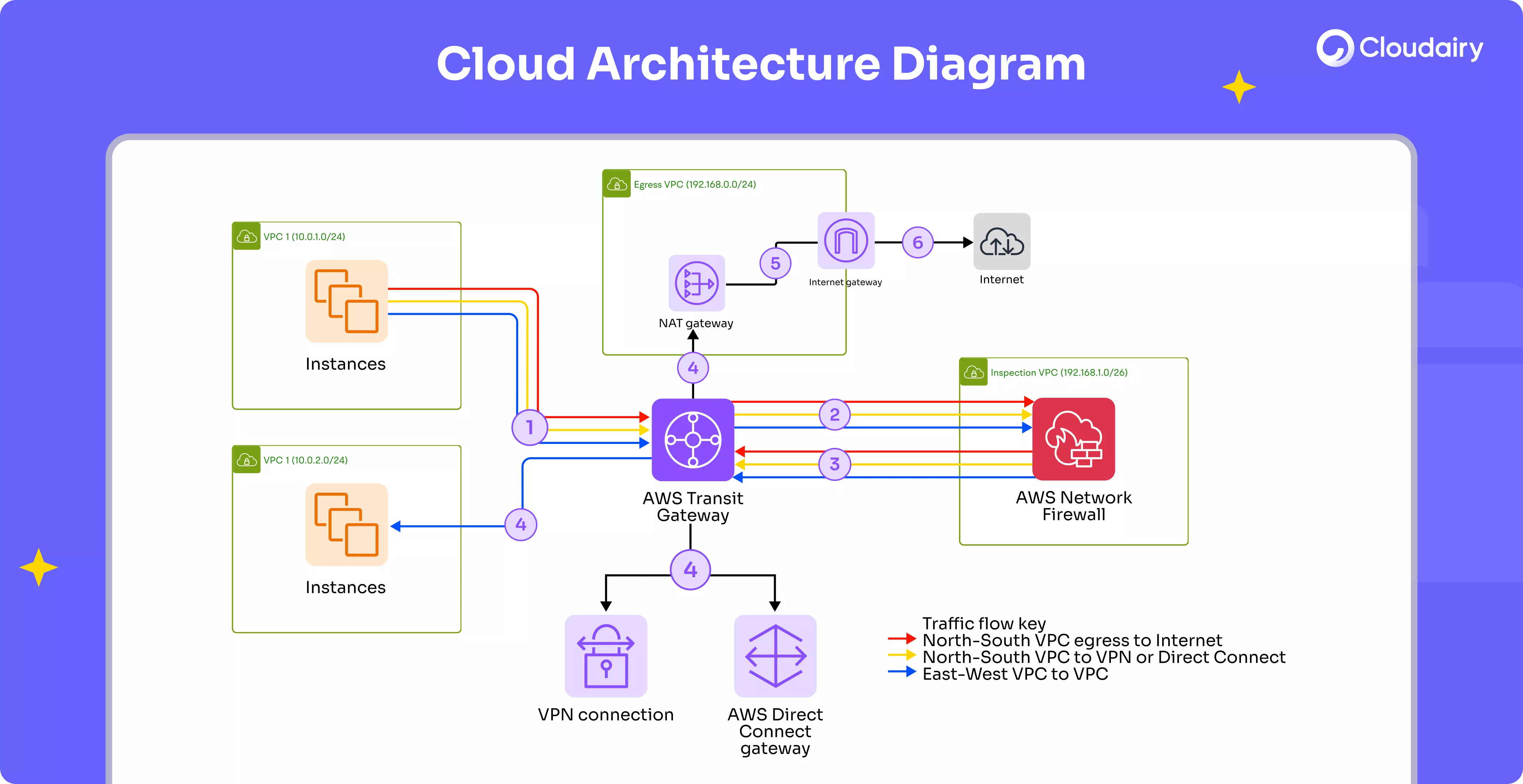
Architecture Diagram Generator | Fast, Accurate System Diagrams
Architecture Diagram Generator: The Complete Guide to Fast System Design
An architecture diagram generator allows you to create neat and precise system diagrams making use of an hour at most for manual work such as placing shapes or drawing connectors. These machines are able to translate very complicated areas of software like workflows, cloud infrastructures, or even enterprise systems into sharp visuals.
The input of AI architecture diagram generator tools has made diagram creation very quick, very accurate, and very easy for everybody from the novice to the expert. In this piece, we are going to look into the mechanics of these tools, their significance, and how to select the appropriate one for your technical design necessities.
What Is an Architecture Diagram Generator?
An architecture diagram generator is a gadget that translates your thoughts, textual descriptions, or system particulars into graphs. The tool does not require the user to illustrate parts grunt work; the tool places all the components like databases, APIs, services, load balancers, and integrations in a correct layout automatically.
The latest tools apply AI for comprehending system interconnections and drawing diagrams at once. Thus, these tools are perfect for software architects, cloud engineers, product teams, and students majoring in system designing.
Why Use an AI Architecture Diagram Generator?
An AI architecture diagram generator takes productivity to another level. You can describe your system in plain language—like “User requests go through API Gateway to Lambda, which stores data in DynamoDB”—and the tool generates a complete diagram. Benefits include:
- Faster design cycles
- More accurate system mapping
- Clean, balanced diagram layouts
- Easy updates when requirements change
- Better collaboration across teams
- Reduced manual work in architecture documentation
Types of Diagrams You Can Create
With the right tool, you can generate many types of diagrams, such as:
- Cloud architecture diagrams (AWS, Azure, GCP)
- Software architecture diagrams
- Microservices and API diagrams
- DevOps workflow diagrams
- Data flow diagrams
- Network security diagrams
- On-premises and hybrid infrastructure diagrams
- High-level enterprise system diagrams
- AI makes it easier to switch styles, add components, and refine layouts without starting from scratch.
How System Architecture Diagram AI Works
A system architecture diagram AI engine typically follows these steps:
- You describe your system or paste technical documentation.
- The AI analyzes the components, relationships, and flow.
- It generates a complete visual diagram.
- You edit, style, or export the final output.
- AI ensures that connectors, labels, and icons follow logical system design patterns, giving you a clean and professional result automatically.
Key Features to Look for in an Architecture Diagram Tool
When choosing an architecture diagram generator, consider these essential features:
1. AI Text-to-Diagram Generation
This is the most powerful capability. It allows you to turn long descriptions into diagrams instantly.
2. Support for Cloud Icons
Look for AWS, Azure, GCP, Kubernetes, databases, API gateways, and system components.
3. Drag-and-Drop Editing
Even with AI, you’ll want manual editing for final tweaks.
4. Real-Time Collaboration
Useful for engineering teams, architects, and cross-functional planning.
5. Easy Export Options
You should be able to download diagrams in PNG, SVG, PDF, or embed them into documentation.
6. Templates for Quick Start
Tools that offer predefined templates help you design faster.
7. Version Control
Track changes and maintain documentation history.
8. Clean Auto-Layout
Ensures diagrams never become cluttered or hard to read.
Read: Create Clear Visuals with a Smart Tree Diagram Maker
How to Create a System Diagram with AI
Here’s a simple workflow using an architecture diagram maker AI:
Step 1: Describe Your System
Example: “User authentication through Cognito, API Gateway to Lambda, data stored in RDS.”
Step 2: Let AI Generate the Diagram
The tool identifies relationships and creates a complete structure.
Step 3: Customize the Layout
Add labels, color coding, or cloud provider icons.
Step 4: Export and Share
Use the diagram in documentation, presentations, or engineering discussions.
Use Cases for AI Architecture Diagram Tools
Architecture diagram tools fit into many workflows, including:
- Cloud project planning
- Software system documentation
- Product design reviews
- Architecture exam preparation
- Onboarding new developers
- Workflow planning for DevOps pipelines
- Security and compliance audits
- AI reduces complexity and gives teams more time to focus on solving problems, not drawing diagrams.
Benefits for Teams and Organizations
Teams using architecture diagram tools report significant improvements in:
- Technical clarity
- Requirement alignment
- Faster communication between teams
- Better planning and execution
- Reduced risk of system misinterpretation
- Accurate diagrams also help stakeholders understand how a system works, even if they are not technical experts.
Common Mistakes to Avoid
To get the best results from an architecture diagram generator, avoid these mistakes:
- Adding too many elements that clutter the diagram
- Using inconsistent icon styles
- Forgetting to show data flow direction
- Leaving out key system components
- Not updating the diagram as the architecture evolves
- A clean, accurate diagram is easier to maintain and more valuable for documentation.
Best Practices for Clear Architecture Diagrams
To make your diagrams more readable and professional:
- Keep labels simple and descriptive
- Group related components
- Use color coding for different layers
- Maintain consistent spacing
- Avoid crossing connectors
- Include a legend for complex diagrams
- These small improvements make a big difference in readability and communication.
FAQs
1. What is an architecture diagram generator?
It’s a tool that automatically creates system diagrams from descriptions, templates, or drag-and-drop components.
2. How does an AI architecture diagram generator work?
It uses natural language understanding to convert text-based descriptions into system diagrams instantly.
3. Can these tools create cloud-specific diagrams?
Yes, most support AWS, Azure, GCP, Kubernetes, and hybrid infrastructure icons.
4. Are AI-generated diagrams editable?
Absolutely. You can adjust layouts, add elements, or customize design after generation.
5. Who should use an architecture diagram tool
Developers, cloud engineers, architects, product teams, IT managers, and students learning system design.
Conclusion
An architecture diagram generation tool is among the top ones when it comes to designing modern systems. In case, you are designing cloud workflows, mapping APIs, or creating documents for enterprise architecture, AI-supported diagramming is there to help your work being faster, cleaner, and more accurate. Select the appropriate tool and practice the best, then you will easily inform others about complicated thoughts and also keep your technical documentation current.