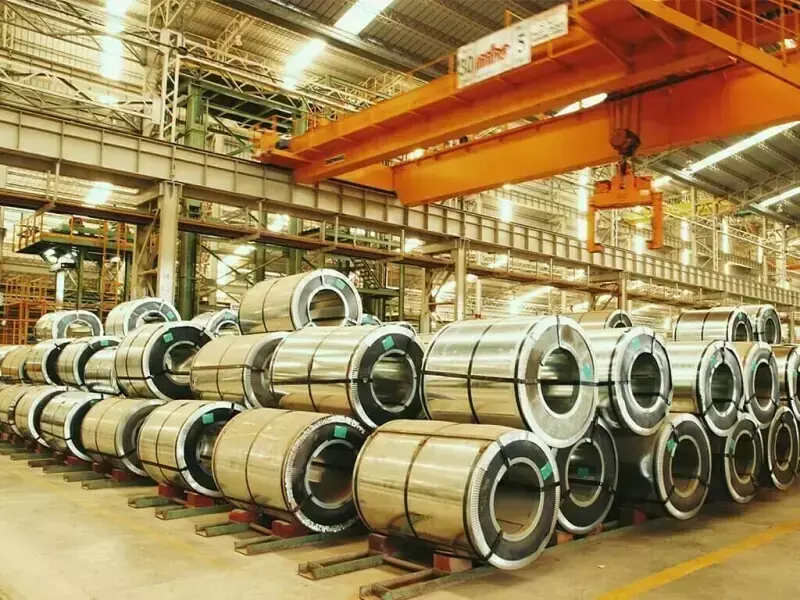
How Steel Is Manufactured: From Raw Materials to Construction Use
Steel is one of the most widely used materials in the construction industry. From residential buildings to large infrastructure projects, steel provides the strength and durability required for modern structures.
Because of its high tensile strength and versatility, steel has become an essential material for engineers, builders, and developers around the world.
In developing construction markets such as Pakistan, the demand for reliable steel products continues to increase.
Every reputable steel manufacturing company focuses on producing high-quality steel that meets strict safety and engineering standards.
Understanding how steel is manufactured helps builders and contractors appreciate the importance of choosing materials from a trusted steel manufacturer in Pakistan.
Raw Materials Used in Steel Production
Steel production begins with several essential raw materials. These materials are processed and combined to create steel with the desired strength and chemical composition.
The primary raw materials include:
- Iron Ore – The main source of iron used in steel production.
- Scrap Steel – Recycled steel that can be melted and reused.
- Carbon – Added to iron to improve strength and hardness.
- Alloying Elements – Materials like manganese or chromium that enhance durability and corrosion resistance.
Many modern facilities, including large steel mills in Pakistan, use both iron ore and recycled steel to produce construction-grade steel while improving sustainability and reducing environmental impact.
The Steel Manufacturing Process
Steel production involves several carefully controlled stages. Each stage ensures that the final product meets the quality standards required for construction applications.
1. Melting the Raw Materials
The first step in steel manufacturing is melting the raw materials in a furnace. Iron ore and scrap steel are heated at extremely high temperatures until they become molten metal.
During this stage, impurities are removed to produce clean and high-quality molten steel.
Modern furnaces allow manufacturers to control temperature and chemical composition, ensuring consistent product quality.
2. Refining the Molten Steel
Once the raw materials are melted, the molten steel undergoes a refining process. This stage removes unwanted elements such as excess carbon or impurities that could weaken the final product.
Refining helps create steel with precise chemical properties required for structural applications. This is one reason why construction companies prefer products from the best steel company in Pakistan, where quality control is strictly maintained.
3. Casting Steel into Billets
After refining, the molten steel is poured into molds to form semi-finished products known as billets or slabs. These billets serve as the base material for producing various steel products used in construction.
The casting process ensures that the steel solidifies in a controlled shape that can later be processed into bars, rods, and other structural materials.
4. Rolling and Shaping
In the rolling stage, steel billets are reheated and passed through heavy rolling machines that shape them into specific forms. This process produces products such as:
- Steel rebars
- Steel rods
- Structural sections
- Construction bars
These products are widely used in reinforced concrete structures. High-quality rolling technology helps ensure consistent dimensions and strength, which is why many builders prefer materials from top steel brands in Pakistan.
Quality Control in Steel Manufacturing
Quality control plays a critical role in the steel manufacturing process. Every reliable steel manufacturing company performs multiple inspections to ensure that the final products meet engineering and safety standards.
Quality checks typically include:
- Chemical composition testing
- Tensile strength testing
- Dimensional accuracy checks
- Surface quality inspection
These tests ensure that steel products are strong enough to support heavy loads and maintain structural integrity over time.
Applications of Steel in Construction
Once the steel manufacturing process is complete, the finished products are delivered to construction sites. Steel is widely used in many types of construction projects because of its strength and durability.
Common applications include:
- Reinforcement bars for concrete structures
- Building frameworks
- Bridges and highways
- Industrial facilities
- High-rise buildings
Because of these applications, builders and engineers carefully select materials from trusted steel manufacturers in Pakistan to ensure long-term safety and performance.
Read: Steel Price in Pakistan Complete Market Guide
Importance of Choosing Reliable Steel Manufacturers
The quality of steel used in construction directly affects the strength and lifespan of a building. Poor-quality steel can weaken structures and increase maintenance costs over time.
For this reason, contractors and developers prefer products from established steel mills in Pakistan that follow modern manufacturing techniques and strict quality standards.
Reliable manufacturers provide steel that meets industry specifications and supports safe construction practices.
Conclusion
Steel manufacturing is a complex process that transforms raw materials such as iron ore and scrap metal into high-strength construction materials.
From melting and refining to casting and rolling, each step ensures that the final product meets the performance requirements of modern construction.
As Pakistan’s infrastructure and construction sectors continue to expand, the demand for high-quality steel will remain strong.
Working with a trusted steel manufacturer in Pakistan ensures that builders and engineers have access to reliable materials that support safe, durable, and long-lasting structures.