Anxiety, Stress, and Depression: Symptoms, Causes, and Treatment
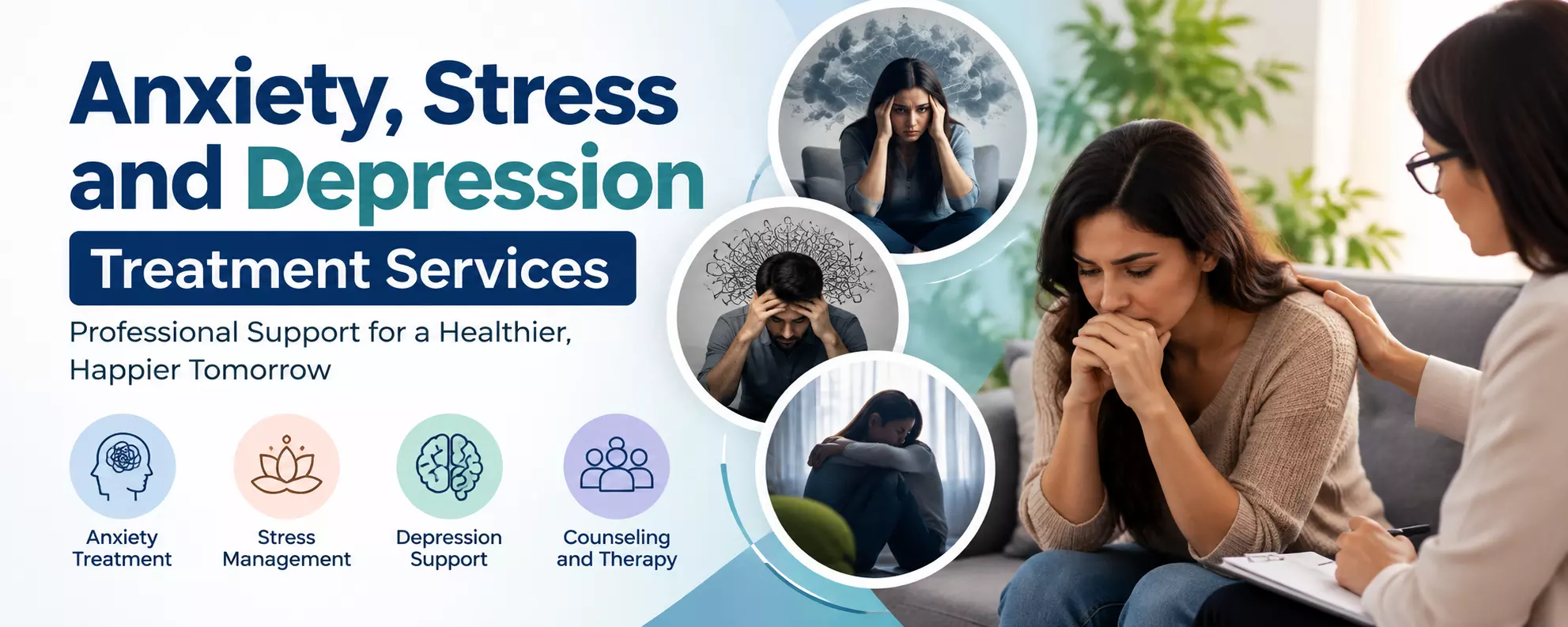
Anxiety Stress Depression Treatment Services provide professional support for people experiencing persistent worry, emotional pressure, low mood, or difficulties managing everyday life.
Mental health challenges can affect concentration, sleep, relationships, work performance, and physical well-being.
With appropriate guidance and a personalized care plan, individuals can learn effective coping strategies and work toward improved emotional balance.
Mental wellness is an important part of overall health, yet many people delay seeking support because they feel uncertain about their symptoms or worry about being judged.
Learning about the different care options can help people feel more comfortable and confident when seeking professional support.
Professional mental health care focuses on identifying individual needs, exploring contributing factors, and developing practical approaches that support long-term well-being.
Understanding Anxiety, Stress, and Depression
Although anxiety, stress, and depression can occur together, each involves different experiences and may require a different approach to care.
What Is Anxiety?
Anxiety involves feelings of worry, nervousness, or fear that may become difficult to control. Occasional anxiety is a normal response to uncertainty, but persistent or excessive anxiety can interfere with everyday activities.
Common symptoms include racing thoughts, restlessness, muscle tension, difficulty concentrating, irritability, and sleep disturbances.
Some individuals may also experience a rapid heartbeat or a sense of impending danger. When these symptoms continue or disrupt daily functioning, professional assessment may help identify the underlying problem.
How Does Stress Affect Daily Life?
Stress is the body's response to challenging situations, responsibilities, or perceived threats. Work demands, financial concerns, family difficulties, academic pressure, and major life changes can all contribute to emotional strain.
Short-term stress may sometimes improve alertness, but prolonged stress can affect sleep, mood, concentration, and relationships. Learning healthy stress management techniques can help individuals respond to pressure more effectively and recognize when additional support is needed.
Recognizing Depression
Depression goes beyond feeling sad for a short period or having an unpleasant day. It can include ongoing low mood, loss of interest in favorite activities, constant tiredness, appetite changes, low self-esteem, and trouble making everyday decisions.
These symptoms may interfere with everyday tasks and personal relationships, even when there is no clear reason behind them.
Depression can affect people from different backgrounds and age groups
Depression may disrupt daily activities and relationships without an identifiable trigger, and it can impact individuals of all ages and backgrounds.
. A qualified mental health professional can evaluate symptoms and recommend suitable care.
Why Professional Mental Health Support Matters
Seeking help early can make it easier to understand emotional difficulties before they become more disruptive. Anxiety Stress Depression Treatment Services can provide structured support for people who are struggling to manage symptoms independently.
Professional care offers an opportunity to discuss concerns in a confidential and supportive environment. A trained provider can explore symptom patterns, personal circumstances, medical history, sleep habits, and available support systems.
Early assessment may also help distinguish mental health concerns from physical conditions that can produce similar symptoms.
For example, certain medical problems, medication effects, or sleep disorders may influence mood and energy levels. Identifying these factors helps guide appropriate treatment decisions.
Treatment Options for Anxiety, Stress, and Depression
Mental health treatment varies from person to person, as each individual has different needs and circumstances.
Treatment recommendations depend on symptom severity, personal preferences, health history, and the way symptoms affect daily life.
1. Individual Counseling and Psychotherapy
Psychotherapy gives individuals a structured setting to understand thoughts, emotions, and behavioral patterns.
Cognitive behavioral therapy (CBT) is a widely used method that helps individuals recognize negative thought patterns and learn healthier, more constructive ways to respond to challenging situations.
.
Other therapeutic approaches may focus on emotional awareness, interpersonal relationships, coping skills, or past experiences. A therapist can help determine which method is appropriate for the individual's circumstances.
2. Stress Management and Coping Skills
Stress management programs can help people recognize triggers and respond to pressure in healthier ways.
Strategies may include setting realistic priorities, improving time management, practicing relaxation exercises, and establishing boundaries between work and personal life.
Mindfulness practices and controlled breathing may also help some individuals manage moments of tension. These methods are useful additions to care, although they may not be sufficient on their own when symptoms are severe or persistent.
3. Medication Management
Medication may be recommended for certain anxiety disorders or depressive conditions, depending on clinical assessment. A qualified healthcare professional can explain the potential benefits, possible side effects, and expected time frame for improvement.
Medication should be taken according to professional instructions. Individuals should not change their dosage or discontinue prescribed treatment without discussing it with their prescriber, as sudden changes may cause problems.
4. Combined and Personalized Treatment
Some individuals benefit from a combination of psychotherapy, medication, lifestyle adjustments, and regular follow-up appointments. Others may improve with counseling and practical support alone.
Treatment should be customized to suit each individual's circumstances, preferences, and mental health needs rather than following a one-size-fits-all approach.
Regular assessments allow healthcare professionals to monitor progress and modify the approach when needed.
Read: Custom Mental Health App Development Services
The Role of Daily Habits in Mental Wellness
Professional treatment can be supported by everyday routines that promote emotional and physical health. Although lifestyle changes cannot replace necessary medical care, they may contribute to improved well-being.
- Maintain a consistent sleep schedule: Regular sleep and waking times can support mood, concentration, and energy levels.
- Stay physically active: Walking, stretching, cycling, or another suitable activity may help reduce tension and support emotional health.
- Eat balanced meals: Regular meals containing a variety of nutritious foods can help maintain energy and support general health.
- Build supportive relationships: Talking with trusted friends, family members, or support groups may reduce feelings of isolation.
- Make time for recovery: Short breaks, enjoyable hobbies, and realistic daily goals can help prevent overwhelming demands from building up.
Small, manageable changes are often more sustainable than attempting to transform every habit at once.
How to Choose the Right Mental Health Treatment Provider
Finding a suitable professional is an important step toward receiving effective care. Look for a qualified psychologist, psychiatrist, licensed therapist, or other appropriately trained mental health practitioner whose services match your needs.
Before beginning treatment, consider asking about professional qualifications, therapeutic methods, confidentiality, appointment options, and fees. It is also helpful to ask how treatment progress will be monitored and evaluated over time.
reviewed and what to expect during the first few sessions.
A supportive provider should listen without judgment, explain treatment choices clearly, and respect the individual's preferences. If a particular therapeutic relationship does not feel appropriate, discussing alternatives or seeking another qualified provider may be helpful.
Online counseling can offer greater flexibility for some people, especially those facing travel difficulties or scheduling challenges. However, individuals should check provider credentials, privacy arrangements, and whether remote care is suitable for their situation.
Reducing Mental Health Stigma
False beliefs and misconceptions about mental health may discourage individuals from reaching out for professional help.
Anxiety and depression are not personal weaknesses, and experiencing stress does not mean someone has failed to manage life successfully.
Open, respectful conversations can help create environments where people feel comfortable discussing emotional concerns.
Families, workplaces, educational institutions, and communities can contribute by encouraging supportive communication and avoiding blame or judgment.
Recognizing mental health as part of overall health can make professional care easier to access and discuss.
When Should You Seek Professional Help?
Consider contacting a mental health professional when worry, low mood, emotional exhaustion, or sleep difficulties persist, worsen, or interfere with everyday responsibilities.
You can seek professional support as soon as symptoms begin affecting your well-being, without waiting for them to become severe.
If someone experiences emotional distress involving thoughts of suicide or self-harm, they should contact emergency services, a crisis helpline, or a trusted medical professional without delay.
If there is an immediate danger, do not remain alone while waiting for assistance.
Conclusion
Anxiety Stress Depression Treatment Services can help individuals understand emotional challenges, develop practical coping strategies, and explore suitable treatment options.
From psychotherapy and stress management to medication when clinically appropriate, effective care begins with a thoughtful assessment of personal needs.
Improving mental wellness is not always a quick or straightforward process. However, consistent support, realistic goals, healthy daily habits, and professional guidance can make progress more manageable.
Seeking help is a positive step toward building resilience, improving daily functioning, and developing a healthier relationship with your emotional well-being.