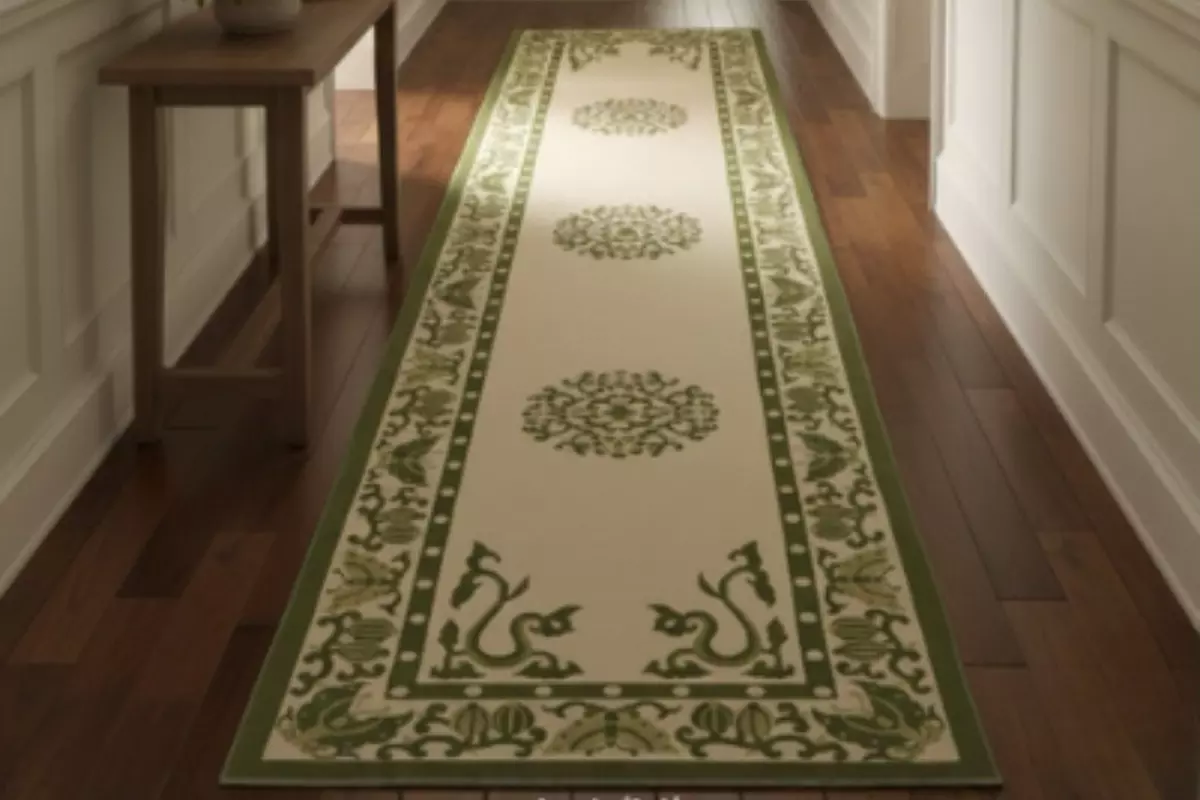
Antique Rug Buying Guide: What to Look For
Buying an antique rug is one of the most rewarding investments an American homeowner or collector can make — provided you know what to look for.
Unlike other antiques, rugs present unique challenges because so much of their value lies in factors that require expertise to assess properly. This guide walks you through the key considerations.
Define 'Antique'
In the rug trade, 'antique' typically refers to pieces that are 80 years old or older. Rugs between 20 and 80 years old are usually classified as 'vintage.'
Both categories offer significant value, but authentic antiques generally command higher prices due to their age and scarcity.
Assess the Condition
Condition is the single most important factor in an antique rug's value. Look for evenness of wear — a rug with uniform low pile is preferable to one with heavily worn areas alongside untouched sections.
Check the foundation (the warp and weft threads) by bending the rug: if the foundation feels brittle or cracks, the rug may be structurally compromised.
Examine for repairs — good repairs, executed in matching materials and colors, can be acceptable, but extensive or poorly executed repairs will diminish value.
Color and Dye Quality
Antique rugs with natural dyes are typically more valuable than those dyed with synthetic chrome dyes, which were introduced in the late 19th century. Natural dyes age beautifully — rich reds, warm blues, and earthy tones that soften into complex patinas over time.
Origin and Attribution
Knowing where a authentic rug was made adds context and often value.
Persian, Turkish, Caucasian, and Central Asian antique rugs each have distinct characteristics — motifs, color palettes, knotting techniques — that experts can use to attribute a piece to a specific region or even a specific village.
Read: Rug Size Guide: What Works Best for Your Space?
Pattern Integrity
Check that the central design, border, and any repeated motifs are complete and undamaged. Missing sections of the border or central medallion, while sometimes repairable, typically reduce a rug's desirability and value.
Provenance
If available, documentation of previous ownership adds authenticity and interest to an antique rug. Pieces with documented exhibition history or notable provenance can command premium prices.
Where to Buy
Purchase from established dealers who specialize in antique textiles. Reputable dealers provide accurate attribution, condition reports, and return policies. Be cautious at general auctions where provenance may be undocumented.
Final Thoughts
Buying an antique rug requires patience and education, but the rewards — aesthetic, financial, and cultural — are considerable.
Take your time, handle as many pieces as possible, and work with reputable sources to build a collection you'll treasure for years.