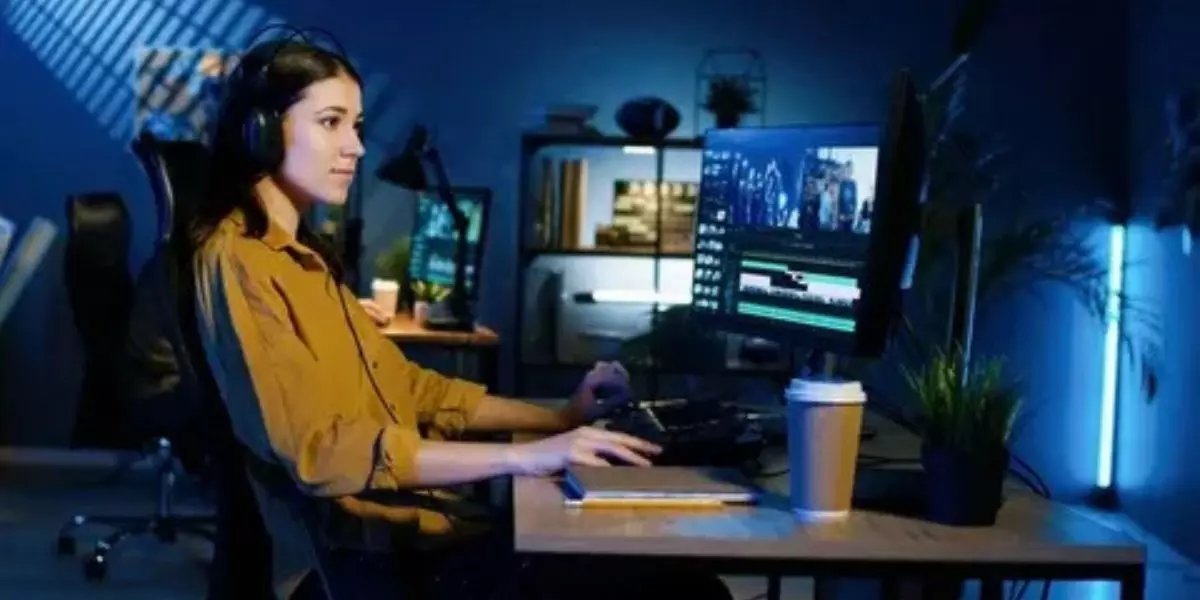
AI in Video Production: Redefining Storytelling and Visual Effects
Video production has always been at the heart of storytelling. From Hollywood blockbusters to short clips on social media, moving visuals have the power to engage, inspire, and influence audiences. However, the way videos are created is changing rapidly. Today, AI in video production is revolutionizing the industry by enhancing creativity, automating technical processes, and introducing new possibilities for visual effects.
What was once possible only with massive budgets and large teams of editors and designers is now accessible to individuals and small businesses. With artificial intelligence driving innovation, storytelling is being redefined, and video creators can focus more on creativity than repetitive tasks.
How AI in Video Production Is Transforming Storytelling
The primary goal of any video is to tell a story. Whether it’s a film, advertisement, or training module, storytelling is what captures attention and drives engagement. AI is playing a critical role in reshaping this process.
Modern AI tools can analyze scripts, suggest narrative improvements, and even predict audience reactions. For example, machine learning algorithms can evaluate which themes or story arcs are most likely to connect with a particular demographic. This allows creators to tailor their videos for maximum impact.
AI also assists with script-to-video generation. By simply entering text, creators can produce videos that include animated visuals, AI-generated voiceovers, and relevant background music. This automation speeds up content creation while ensuring consistency across projects.
Redefining Visual Effects with AI
Visual effects (VFX) are often the most time-consuming and expensive part of video production. Traditionally, creating realistic effects required skilled artists and high-performance systems. Today, AI is streamlining this process.
AI-powered tools can remove backgrounds without green screens, generate realistic environments, and even animate characters using motion-capture alternatives. These innovations save time and reduce costs while opening the door for independent creators to compete with larger studios.
For example, generative AI models can produce lifelike explosions, water effects, or fantasy landscapes with just a few prompts. Similarly, AI-driven rotoscoping tools make it easy to isolate objects from footage, drastically reducing the time editors spend on repetitive tasks.
This means storytellers can experiment more freely, knowing they can achieve high-quality effects without exhausting budgets or resources.
The Role of AI in Digital Marketing
The impact of AI is not limited to the film industry. Businesses are increasingly using AI in video production to strengthen their digital marketing strategies.
Video has become the most consumed form of content online. Platforms like Instagram, YouTube, and TikTok are dominated by short, engaging clips. Marketers need to create and distribute content at a pace that meets audience demand. AI makes this possible.
For instance, long-form videos such as webinars or podcasts can be broken down into short clips automatically by AI. These clips can then be optimized for different platforms, complete with captions, thumbnails, and even suggested hashtags.
AI also provides performance analytics, allowing marketers to understand which video elements drive engagement and conversions. This feedback loop helps in fine-tuning campaigns and making data-driven creative decisions. In short, AI helps businesses tell their stories more effectively while maximizing ROI.
How to Use AI in Photoshop for Video Production
While Photoshop is traditionally associated with image editing, it plays an essential role in video production too—particularly in preparing graphics, overlays, and textures. Learning how to use AI in Photoshop can significantly enhance video quality.
AI-powered features in Photoshop, such as Generative Fill and Content-Aware tools, allow designers to create stunning visual assets quickly. For example:
- Backgrounds can be generated and adjusted to match the mood of a video scene.
- Logos and brand elements can be stylized effortlessly.
- Portrait touch-ups can be done in seconds, preparing actors’ photos or thumbnails for promotional use.
When these assets are integrated into video projects, they elevate the overall aesthetic and professionalism of the content. By combining Photoshop’s AI tools with video production software, creators can produce more compelling visuals in less time.
Accessibility and Inclusivity Through AI
Another major benefit of AI is its ability to make video content more accessible. Automatic captioning and real-time translations help businesses and creators reach global audiences. AI can also generate descriptive audio for visually impaired viewers, ensuring inclusivity.
This not only broadens the reach of content but also aligns with the ethical responsibility of making media available to all. In the context of digital marketing, this inclusivity enhances brand reputation and builds stronger connections with diverse audiences.
Challenges and Considerations
Despite its many advantages, AI in creative industries comes with challenges. Overreliance on AI risks reducing originality, as many tools are trained on existing data that could limit unique expression. There are also ethical concerns regarding deepfakes and synthetic media, which could be misused.
Creators must strike a balance between efficiency and authenticity. AI should be viewed as an assistant that enhances creativity rather than a replacement for human imagination.
The Future of AI in Video Production
Looking ahead, the integration of AI into video production will only deepen. We can expect tools that make editing even more intuitive, effects more realistic, and storytelling more data-driven. As AI continues to evolve, the barrier to entry for professional-quality video creation will become even lower.
For businesses, this means producing impactful content for digital marketing campaigns at scale. For independent creators, it opens new doors to experiment with narratives and styles previously out of reach.
The combination of human creativity and AI-driven efficiency is shaping a new era in video production—one where stories can be told faster, better, and more visually captivating than ever before.
Conclusion
AI in video production is redefining the boundaries of what’s possible. From automated editing and powerful visual effects to smarter storytelling and integration with digital marketing, AI is empowering creators across industries. When combined with creative tools like Photoshop—especially for those who know how to use AI in Photoshop—the possibilities expand even further.
Ultimately, AI isn’t here to replace human creativity; it’s here to enhance it. By automating technical challenges, AI frees storytellers to focus on what truly matters—imagination, emotion, and connection with audiences.