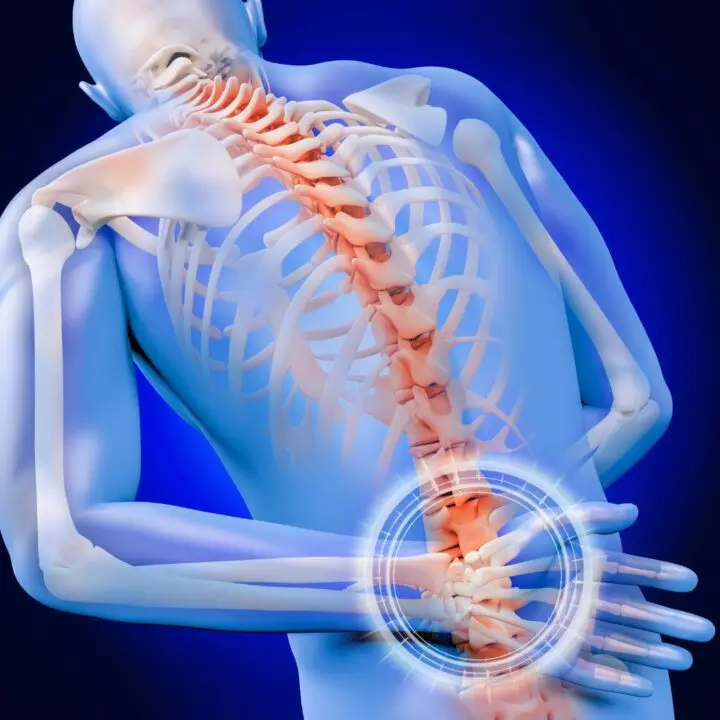
Advanced Care for Spine Orthopedic Health: Ensuring Mobility and Comfort
The spine is the key to being healthy, and the specialized treatment within the orthopedic medicine field has changed the way in which individuals approach spinal problems. Spine Orthopedic treatments are aimed at diagnosing, preventing and treating spine, joint and musculoskeletal system related conditions.
These therapies are essential to a person who has backaches, spinal trauma, or difficulty walking since the spine is important in supporting the body as well as movement.
Spine and orthopedic Health.
The spine is a complicated system of vertebrate, discs, nerves and muscles. Any interference with this fine mechanism will result in pain, discomfort, or serious mobility problems. Spine Orthopedic care is a combination of high-tech, surgical skills, and rehabilitative interventions to treat minor back pain and major spinal deformities.
Orthopedic specialists would not only work on the acute injury treatment but enhance the spinal health in the long term. This consists of precautions, physical activities, ergonomic advice, and lifestyle change, that serves to safeguard the spine and avert rerouting injuries.
Treatment of Spine, Orthopedic Specialists, Common Conditions.
There are a number of reasons that require specialized attention in the field of spine and orthopedic medicine. Some of the most frequent ones are:
1. Herniated Discs
A herniated disc means that the soft content of a spinal disc has forced through its outer covering making it painful and nerve-squeezy. The level of severity is evaluated by specialists in orthopedics and treated by physical therapy, medication, or minimally invasive surgery.
2. Scoliosis and Spinal Deformities.
Scoliosis refers to the side curvature of spine, other defects can be kyphosis or lordosis. Spine, Orthopedic experts can prevent and improve posture, mobility and the quality of life because early diagnosis and intervention is possible.
3. Degenerative Disc Disease
Disc degeneration, which causes chronic pain, may be caused by old age or chronic stress. The orthopedic provision usually incorporates the rehabilitation, pain management, and surgery in cases where the conservative treatments are not effective.
4. Spinal Stenosis
Spinal stenosis refers to the constriction of the spinal canal, which presses on the nerves resulting in pain, numbness or weakness. Easing of pressure is usually done through physical therapy, injections, or surgery as suggested by orthopedic specialists.
5. Sports and Work-Related Injuries.
There is increased risk of spinal injuries among the athletes and other physically active people. Orthopedic treatment is based on treatment and prevention, which include appropriate movement methods, strengthening exercises, and rehabilitation after injuries
The Modern Technology in Spine, Orthopedic Care.
Medical technology has brought a breakthrough on the treatment of spinal and orthopedic diseases. MRI imaging, CT scans, and digital X-rays give an accurate idea about the health of the spine. Surgeries with minimal invasions, robotization, and sophisticated rehabilitation regimes can result into expedited healing, diminished pain, and enhanced outcomes in the long term.
These tools are also used by Spine, Orthopedic specialists in order to develop personal treatment plans. All plans are developed according to the state of the patient, his/her age, lifestyle, and activity level in order to provide the most effective and safe way.
Read: 10 Proven Ways Your Lifestyle Affects Gut Health
Pre-operative Deformity of the spine.
Not every spinal problem is something that needs a surgery. Non-invasive treatments which are aimed at relieving pain, enhancing mobility and strengthening the spine are enjoyed by many patients. These approaches include:
Lexical therapy and modes of exercises.
Treatment of pain with drugs or injections.
Change in lifestyle, including ergonomics and posture.
Chiropractic treatment and spinal decompression treatment.
These non-surgical procedures are frequently used as a starting point of treatment and surgery is used only in cases of need.
Spinal and Orthopedic Medicine Surgery.
In extreme cases, the patient might need surgery. Spinal fusion, laminectomy, disc replacement, and minimally invasive decompression are the procedures, which are aimed at restoring the function, reducing pain, and avoiding additional complications. Surgical procedures are now more focused on patient safety, accuracy and quicker healing, therefore, they are very effective in addressing complicated spinal issues.
Rehabilitation and Long-Term care.
Without proper rehabilitation, spine or orthopedic surgeries cannot be healed. Physical therapists also collaborate with orthopedic specialists to develop exercises that will enhance the spine, make it stronger, more flexible, and mobile. It can also be long-term care in which pain management, lifestyle change, and regular checkups to monitor the health of the spine are upheld.
Through combination of surgical therapy and rehabilitation, Spine, Orthopedic care will provide patients with independence and restore them to normal living practices with minimum levels of discomfort.
Preventing Spinal Problems
One of the necessary features of orthopedic care is prevention. Exercising, using correct lifting methods, ergonomic workspaces, and healthy weight can be considered healthy habits that will decrease the likelihood of spine-related problems. The patients are urged to be proactive concerning their spinal health so as to prevent future chronic ailments.
The selection of the appropriate spine, orthopedic specialist.
It is essential to choose a professional expert to be treated. Key considerations include:
Experienced and board-certified orthopedic surgeons.
Equipments with modern diagnostic and surgical equipment.
Full rehabilitation courses.
Good patient feedback and effective results.
By collaborating with a trusted Spine, Orthopedic team, the highest care, customized treatment, and future spinal health will be guaranteed
Conclusion
Well-being is highly dependent on spinal well-being and the current orthopedic services offer the remedies to successful management of the spinal diseases. Spine Orthopedic services provide a range of interventions, starting with the non-surgery types, proceeding to the highly advanced surgical interventions and rehabilitation of patients of all ages. Patients are able to cope with pain, improve their mobility and have a better quality of life with the help of the experienced specialists.
Chronic back pain, spinal injuries, or proactive care, it is critical to observe professional Spine, Orthopedic treatment in order to preserve long-term spinal health. Early intervention, individual approaches to treatment, and continued rehabilitation are significant to recovery, mobility and comfort.