Acrylic Sign Board: A Complete Beginner’s Guide
In today’s fast-paced world, clear and attractive signage is essential. Whether for businesses, offices, schools, hospitals, or events, signs help communicate information effectively and create a professional impression. One of the most popular materials for modern signage is the acrylic sign board.
This guide explains what acrylic sign boards are, how they are made, their types, advantages, challenges, and practical uses. By the end, you’ll understand how to choose and maintain acrylic signage for any purpose.
What Is an Acrylic Sign Board?
An acrylic sign board is a type of signage made from acrylic sheets, a durable and lightweight plastic material. Acrylic looks similar to glass but is stronger, shatter-resistant, and easier to work with.
Acrylic signs can be:
- Transparent, frosted, or colored
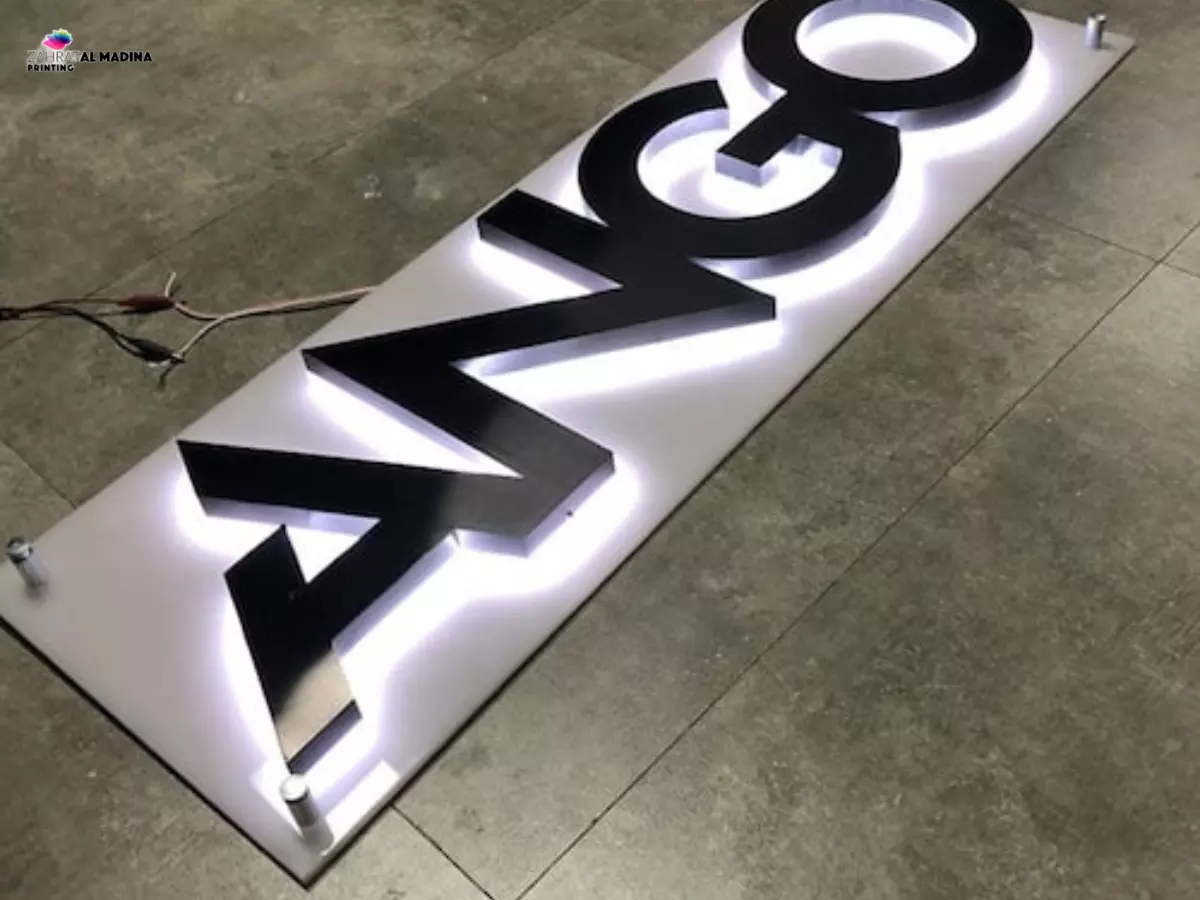
- Flat panels or 3D letters
- Backlit or non-illuminated
- Mounted on walls, stands, or frames
Its flexibility in design and finish makes acrylic signage suitable for a wide variety of applications, from indoor offices to outdoor storefronts.
Why Acrylic Sign Boards Are Popular
Acrylic signage is widely chosen for its combination of durability, flexibility, and professional appearance. It works well in spaces where readability, aesthetics, and durability are important.
In cities like Dubai, where businesses compete for attention, high-quality signage is essential. Modern printing Dubai methods allow acrylic boards to display crisp, vibrant graphics that remain clear for years.
Service providers like Zahrat Al Madina Printing Services specialize in creating acrylic signage that meets both functional and aesthetic requirements.
How Acrylic Sign Boards Are Made
About Acrylic
Acrylic, also called polymethyl methacrylate (PMMA), is a lightweight, strong, and weather-resistant material. Its main features include:
- Durability – resists impact better than glass
- UV resistance – prevents yellowing when exposed to sunlight
- Lightweight – easy to transport and install
- Versatility – can be cut, shaped, printed, or layered
Acrylic sheets are available in different thicknesses, finishes, and colors, offering flexibility for design and functionality.
Production Process
Creating an acrylic sign board typically involves the following steps:
- Design Preparation – Digital layouts with text, logos, and graphics are created.
- Material Selection – Acrylic sheets are chosen based on thickness, color, and finish.
- Cutting & Shaping – CNC routers or laser cutters shape the acrylic precisely.
- Printing – Graphics are applied using methods like:
- UV Printing – direct printing on acrylic for long-lasting, sharp results
- Vinyl Application – for layered designs or special effects
- Assembly & Mounting – Frames, standoffs, or adhesives are added.
- Quality Check – Signs are inspected for color accuracy, alignment, and durability.
Experienced providers such as Zahrat Al Madina Printing Services ensure that each sign meets high standards of quality and functionality.
Types of Acrylic Sign Boards
Acrylic signage comes in several styles depending on the location and purpose:
1. Flat Acrylic Signs
These are simple, flat panels often used for office names, directions, or informational displays. They are easy to install and maintain.
2. 3D or Layered Acrylic Signs
3D acrylic signs involve cut-out letters or shapes mounted with depth. They are commonly used for:
- Brand logos
- Lobby signs
- Retail store signage
The three-dimensional effect makes the sign more noticeable and visually appealing.
3. Backlit Acrylic Signs
Backlit signs feature internal illumination, often with LEDs, making them visible at night or in dimly lit areas. Common uses include:
- Storefront signs
- Restaurant menus
- Wayfinding signage
4. Frosted or Translucent Acrylic Signs
Frosted acrylic diffuses light and reduces glare. It provides a modern, subtle appearance and is often used in:
- Conference rooms
- Hospitals or clinics
- Luxury offices
Applications of Acrylic Sign Boards
Acrylic signage is versatile and suitable for many environments:
Commercial Spaces
Retail stores use acrylic signs for:
- Logos
- Product categories
- Promotional displays
The smooth surface allows vibrant colors and sharp graphics that attract attention.
Corporate Offices
Acrylic signs are common in offices for:
- Directories
- Reception area signs
- Department or room identifiers
They enhance professional appearance and make navigation easier.
Educational Institutions
Schools and universities use acrylic signs for:
- Classroom numbers
- Campus maps
- Policy or safety information
Durable acrylic ensures readability over time.
Healthcare Facilities
Hospitals and clinics use acrylic signs for:
- Directional guidance
- Service counters
- Safety instructions
Clear signage helps patients and staff navigate efficiently.
Events and Exhibitions
Portable acrylic panels are lightweight and easy to install, making them ideal for:
- Trade shows
- Conferences
- Temporary displays
Printed graphics can match the event theme or branding.
Benefits of Acrylic Sign Boards
The advantages of acrylic signage include:
- Professional Look – smooth, glossy finish enhances visual appeal
- Durable – resists impacts, weather, and UV exposure
- Lightweight – easier to handle than glass or metal
- Customizable – shapes, colors, layering, and backlighting
- High Visibility – sharp, vibrant graphics improve readability
Challenges and Considerations
Despite their advantages, acrylic signs have some limitations:
- Scratches Easily – requires careful handling and cleaning
- Cost Variation – depends on thickness, complexity, and lighting
- Sun Exposure – cheaper acrylic may yellow over time
- Professional Installation – larger or illuminated signs require expertise
How to Choose the Right Acrylic Sign Board
Consider these factors when selecting acrylic signage:
- Location – indoor or outdoor, high-traffic areas vs. low-traffic
- Visibility – viewing distance, lighting, and font size
- Design – colors, logos, and graphics
- Maintenance – cleaning and durability
- Budget – balance quality, size, and additional features
Working with professional providers like Zahrat Al Madina Printing Services ensures your sign meets both functional and aesthetic needs.
Real-World Examples
- Retail Storefront: A boutique installs a vibrant acrylic sign mounted on stainless-steel standoffs. It is weather-resistant and eye-catching.
- Corporate Lobby: Layered acrylic letters clearly display department names, with frosted panels reducing glare.
- Event Booth: Portable, UV-printed acrylic panels provide clear branding and are easy to set up.
Maintenance Tips
To keep acrylic signs looking their best:
- Use soft, non-abrasive cloths for cleaning
- Wash with mild soap and water
- Avoid harsh chemicals or abrasive materials
- Protect from prolonged sunlight or high heat
Proper care extends the sign’s lifespan and maintains its clarity.
Read: Custom Acrylic Fabrication: Tailoring Solutions for
Conclusion
Acrylic sign boards are durable, versatile, and visually appealing. Their lightweight design, flexibility, and ability to display high-quality graphics make them ideal for businesses, offices, schools, healthcare facilities, and events.
By understanding the types, benefits, challenges, and maintenance needs, you can select the right acrylic signage for your purpose.
Combining advanced printing Dubai techniques with expertise from providers like Zahrat Al Madina Printing Services ensures long-lasting, professional-quality signs.