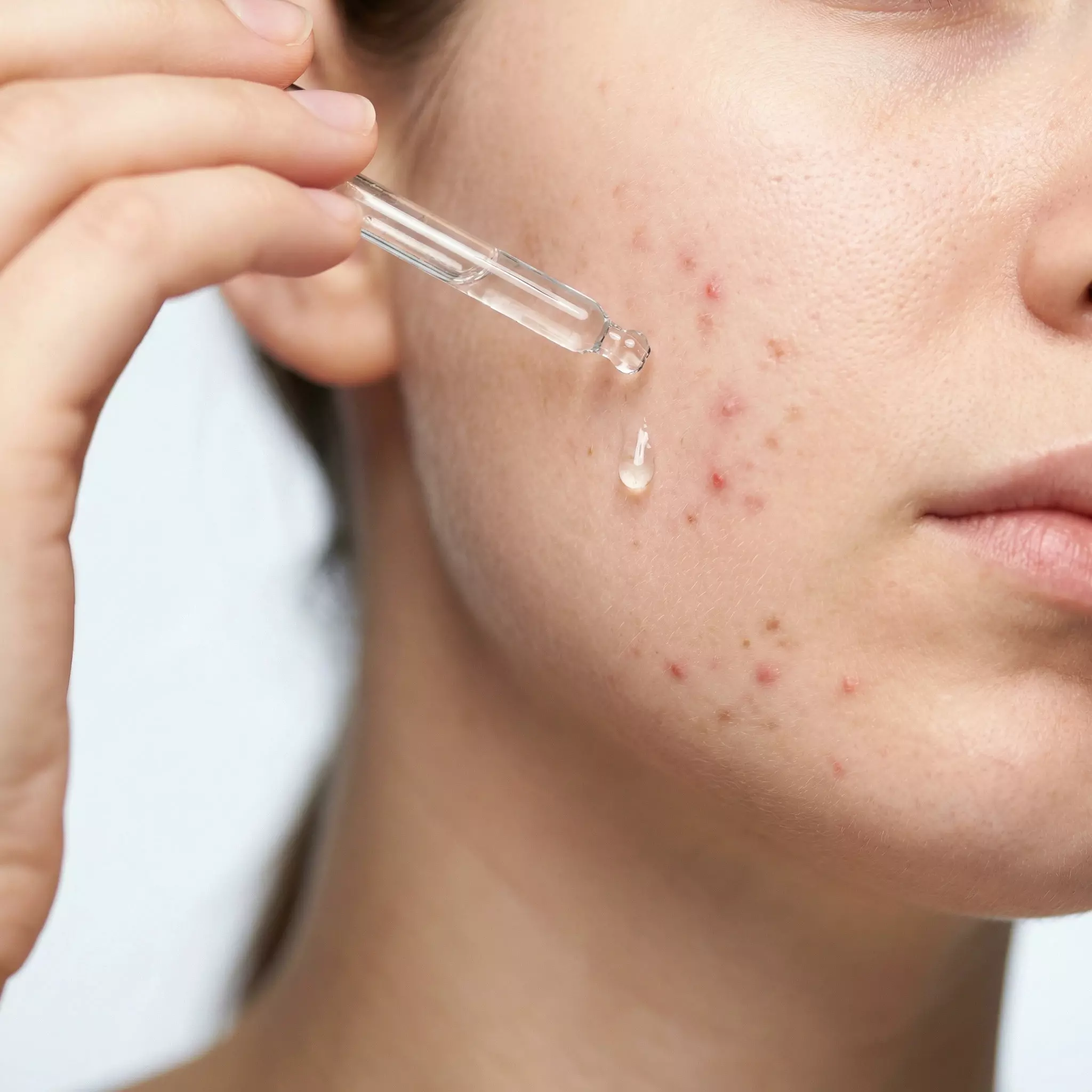
Acne Treatment in Melbourne, FL: A Complete Guide to Clearer, Healthier Skin
Acne is one of the most prevalent skin conditions affecting people of all ages across the United States. Whether you are a teenager navigating hormonal changes or an adult dealing with persistent breakouts, finding an effective and lasting solution can feel overwhelming.
Fortunately, dermatological science has advanced dramatically, offering targeted, evidence-based treatments that go far beyond drugstore cleansers and over-the-counter creams.
If you are searching for professional acne treatment in Melbourne, FL, this comprehensive guide will walk you through everything you need to know — from understanding the root causes of acne to exploring the most advanced clinical treatment options available today.
What Is Acne and Why Does It Develop?
Acne vulgaris is a chronic inflammatory skin condition that occurs when hair follicles become clogged with excess sebum (skin oil), dead skin cells, and bacteria. The result ranges from mild comedones and blackheads to severe cystic lesions that can leave permanent scarring if left untreated.
Common Causes and Triggers of Acne
Understanding the underlying causes of your acne is the first step toward choosing the right treatment. Several biological, environmental, and lifestyle factors contribute to breakouts:
- Hormonal fluctuations — elevated androgens stimulate excess sebum production, particularly during puberty, menstruation, or pregnancy
- Bacterial overgrowth — Cutibacterium acnes (formerly Propionibacterium acnes) thrives in clogged pores and triggers inflammation
- Hyperkeratinization — abnormal shedding of dead skin cells leads to pore blockage and comedone formation
- Dietary factors — high-glycemic diets and dairy consumption have been linked to acne flare-ups in certain individuals
- Stress and cortisol — elevated stress hormones increase sebum production and worsen existing breakouts
- Skincare and cosmetic products — comedogenic ingredients in makeup and moisturizers can clog pores
- Environmental pollutants — airborne toxins and humidity levels can aggravate sensitive or acne-prone skin
Types of Acne: Identifying Your Skin Condition
Not all acne is the same. Accurate classification helps dermatologists and skincare professionals design a personalized treatment plan that addresses your specific condition effectively.
Non-Inflammatory Acne
- Whiteheads (closed comedones) — blocked pores covered by a thin layer of skin
- Blackheads (open comedones) — oxidized sebum and debris trapped in open pores, giving a dark appearance
Inflammatory Acne
- Papules — small, red, tender bumps caused by bacterial infection within the pore
- Pustules — similar to papules but filled with pus at the surface
- Nodules — large, painful, solid lumps deep within the skin
- Cystic acne — the most severe form, characterized by pus-filled cysts that can cause significant scarring
Other Acne Variants
- Hormonal acne — predominantly affects the jawline, chin, and lower cheeks in adult women
- Fungal acne (Malassezia folliculitis) — caused by yeast overgrowth, often mistaken for bacterial acne
- Acne mechanica — triggered by friction, pressure, or heat from clothing, helmets, or sports equipment
Professional Acne Treatments: What to Expect at a Medical Spa or Dermatology Clinic
While at-home skincare routines play an important supporting role, professional acne treatments deliver more powerful, targeted, and lasting results. A qualified provider will conduct a thorough skin analysis before recommending a customized protocol.
1. Chemical Peels for Acne
Chemical exfoliation using alpha-hydroxy acids (AHAs) such as glycolic acid and lactic acid, or beta-hydroxy acids (BHAs) like salicylic acid, effectively unclogs pores, removes dead skin cells, and reduces post-inflammatory hyperpigmentation.
Superficial to medium-depth peels are commonly used for acne-prone skin and can dramatically improve skin texture and clarity over a series of treatments.
2. Laser and Light-Based Therapies
Advanced laser treatments have revolutionized acne management. Blue light therapy targets acne-causing bacteria directly, while photodynamic therapy (PDT) combines light activation with a photosensitizing agent to reduce sebaceous gland activity.
Fractional laser resurfacing is particularly effective for treating acne scars and uneven skin texture left behind by previous breakouts.
3. Microneedling
Collagen induction therapy through microneedling stimulates the skin's natural healing response, improving the appearance of acne scars, enlarged pores, and rough skin texture. When combined with platelet-rich plasma (PRP), the treatment delivers even more potent regenerative benefits — making it a popular choice at leading medical spas.
4. Extraction and Medical-Grade Facials
Professional comedone extraction performed by a licensed aesthetician safely removes blackheads, whiteheads, and congested pores without causing trauma to the surrounding skin. Medical-grade facials often include enzyme treatments, high-frequency therapy, and customized serums designed to balance oil production and calm inflammation.
5. Hydrafacial for Acne-Prone Skin
The HydraFacial is a multi-step skin resurfacing treatment that cleanses, exfoliates, extracts impurities, and infuses the skin with nourishing serums — all in a single session. It is gentle enough for sensitive skin yet highly effective at addressing active breakouts, excess sebum, and dull complexion.
6. Prescription Topical and Oral Medications
In many cases, professional treatment is combined with prescription medications for optimal results.
These may include topical retinoids such as tretinoin, antibiotic creams, azelaic acid, or oral therapies such as doxycycline, spironolactone (for hormonal acne), or in severe cases, isotretinoin (Accutane). A board-certified dermatologist will assess your condition and prescribe the appropriate regimen.
Acne Scar Treatments: Restoring Smooth, Even Skin
Many people who experience moderate to severe acne are left with post-acne marks, discoloration, or deeper scar tissue. Addressing acne scars requires a different approach from active breakout treatment.
Types of Acne Scars
- Ice pick scars — deep, narrow pits extending into the dermis
- Boxcar scars — broad depressions with sharp, defined edges
- Rolling scars — wave-like undulations caused by fibrous tissue pulling on the skin
- Hypertrophic and keloid scars — raised scar tissue resulting from excess collagen production
- Post-inflammatory hyperpigmentation (PIH) — flat, dark spots left after a breakout resolves
Effective Scar Reduction Treatments
- Fractional CO2 laser resurfacing
- Dermal fillers for atrophic scars
- Subcision to break up fibrotic scar tissue
- Micro-needling with radiofrequency (RF)
- Chemical reconstruction of skin scars (CROSS technique)
- Intense pulsed light (IPL) for pigmentation correction
Building an Effective At-Home Skincare Routine for Acne-Prone Skin
Professional treatments are significantly more effective when supported by a consistent and appropriate daily skincare routine. Here are the key principles to follow:
Morning Routine
- Gentle, non-foaming or sulfate-free cleanser to remove overnight sebum
- Oil-free, non-comedogenic moisturizer to maintain the skin barrier
- Broad-spectrum SPF 30+ sunscreen to prevent post-inflammatory hyperpigmentation from worsening
Evening Routine
- Double cleanse — micellar water or cleansing oil followed by a gentle face wash
- BHA toner (salicylic acid 1–2%) to exfoliate inside pores
- Topical retinoid or prescription treatment as directed by your provider
- Lightweight, non-greasy moisturizer with niacinamide or ceramides to support barrier repair
Ingredients to Look For
- Salicylic acid — unclogs pores and reduces inflammation
- Benzoyl peroxide — kills acne-causing bacteria
- Niacinamide — regulates sebum production and fades dark spots
- Retinol/Tretinoin — accelerates cell turnover and prevents comedone formation
- Azelaic acid — reduces bacterial growth and brightens post-acne marks
- Tea tree oil — natural antimicrobial with anti-inflammatory properties
Habits to Avoid
- Picking or popping pimples — this dramatically increases the risk of scarring and infection
- Overwashing the face — strips the skin barrier and triggers compensatory sebum overproduction
- Using heavy, occlusive products on acne-prone areas
- Touching the face frequently throughout the day
- Skipping sunscreen — UV exposure darkens post-acne marks significantly
Why Choose a Medical Spa for Acne Treatment?
A medical spa bridges the gap between a traditional day spa and a dermatology clinic, offering physician-supervised aesthetic treatments in a comfortable, wellness-focused environment. This makes it an ideal choice for individuals seeking advanced, results-driven acne care without the clinical atmosphere of a hospital or medical office.
At Enfield Royal Medspa, our team of experienced skincare professionals and medical practitioners takes a holistic, individualized approach to acne management.
Every treatment plan begins with a detailed skin consultation to assess your unique skin type, acne severity, lifestyle factors, and aesthetic goals. We combine cutting-edge technology with evidence-based protocols to deliver safe, effective, and lasting results.
What Sets Us Apart
- Customized treatment plans tailored to your unique skin type and acne profile
- State-of-the-art technology including advanced laser systems, medical-grade peels, and RF microneedling
- Experienced, licensed providers specializing in acne and skin rejuvenation
- A supportive, judgment-free environment where your skin health is the priority
- Ongoing follow-up care and at-home skincare guidance to maintain your results
Who Is a Good Candidate for Professional Acne Treatment?
Professional acne treatment is suitable for a wide range of individuals, including:
- Teens and adults with persistent or recurring breakouts
- People who have not seen improvement with over-the-counter products after 8–12 weeks
- Individuals with moderate to severe inflammatory acne, nodules, or cystic lesions
- Those experiencing hormonal acne that fluctuates with the menstrual cycle or stress
- Anyone dealing with post-acne scars, dark spots, or uneven skin texture
- Patients who want to reduce their dependence on long-term oral antibiotic therapy
If you identify with any of the above, scheduling a consultation with a qualified skin care professional is the most effective first step toward achieving clearer skin.
Read: Your Trusted Source for Quality Medicines and Sanclear Cream
What to Expect During Your First Acne Consultation
Your initial consultation is an in-depth conversation about your skin history, lifestyle, and treatment goals. Here is a general overview of what the appointment will involve:
- Comprehensive skin analysis — your provider will examine your skin under specialized lighting to assess pore size, oil levels, acne severity, and existing scarring
- Medical and lifestyle history — questions about your diet, stress levels, hormonal health, current medications, and previous treatments
- Diagnosis and classification — identification of your specific acne type and contributing factors
- Personalized treatment plan — a step-by-step plan combining in-office procedures with a home care protocol
- Cost and timeline discussion — transparent pricing, expected number of sessions, and realistic outcome expectations
Frequently Asked Questions About Acne Treatment
How many sessions are needed to clear acne?
The number of sessions varies depending on the severity of your acne, the type of treatment selected, and how your skin responds.
Most patients begin to see visible improvement after 3 to 6 sessions, with optimal results achieved over 3 to 6 months. Your provider will create a realistic timeline during your initial consultation.
Is professional acne treatment safe for sensitive skin?
Yes. An experienced provider will always customize the treatment intensity and product selection to suit your skin's sensitivity level. Many treatments, such as HydraFacial and low-intensity chemical peels, are specifically designed to be gentle on reactive skin while still delivering meaningful results.
Can acne return after treatment?
Acne can recur, especially if underlying triggers such as hormonal imbalances or lifestyle factors are not addressed. However, with a comprehensive maintenance plan — including periodic in-office treatments and a consistent home skincare routine — long-term remission is very achievable.
Is there any downtime after acne treatments?
Most in-office acne treatments involve minimal to no downtime. Light therapies and medical facials typically allow you to return to your daily routine immediately. Chemical peels and laser treatments may cause temporary redness, peeling, or sensitivity for a few days, depending on the treatment depth.
The Psychological Impact of Acne and the Importance of Seeking Help
Beyond the physical manifestations, acne carries a significant psychological burden. Research consistently shows that individuals with acne are at higher risk for low self-esteem, social withdrawal, anxiety, and depression. The impact on quality of life can be as profound as that caused by chronic diseases such as asthma or arthritis.
Seeking professional treatment is not a vanity decision — it is a health decision. Investing in your skin health can lead to meaningful improvements in your confidence, mental well-being, and overall quality of life. You deserve to feel comfortable in your skin, and skilled dermatology and aesthetic professionals are here to help you get there.
Take the First Step Toward Clearer Skin in Melbourne, FL
If persistent breakouts, painful cysts, or lingering acne scars are affecting your daily life and confidence, you do not have to face it alone. Professional, evidence-based help is available right here in Melbourne, Florida.
Explore our full range of acne treatments and discover how a personalized, clinically guided approach can transform your skin. Whether you are dealing with occasional breakouts or chronic acne, our team is ready to help you achieve the clear, healthy complexion you have been working toward.
Schedule your consultation today and take the first confident step toward skin you feel proud to show the world.