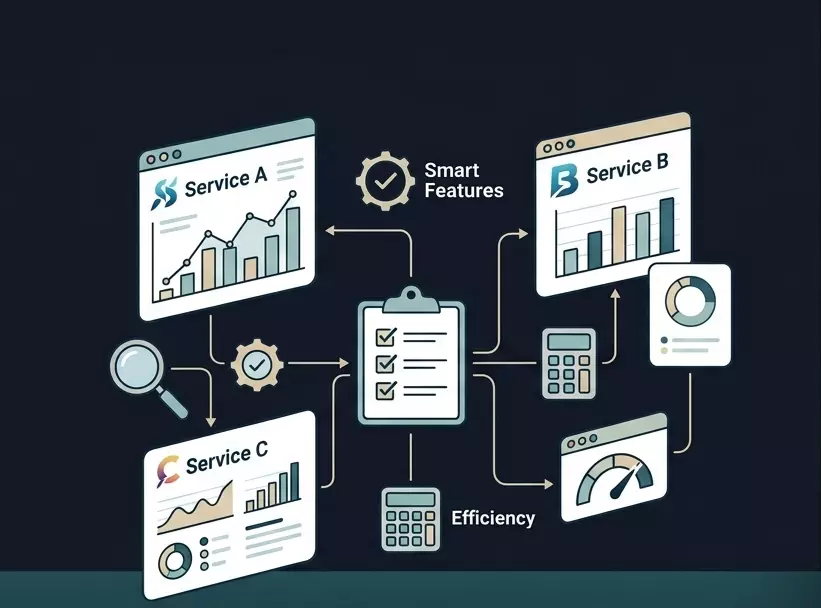
A Smarter Way to Compare Third Party Billing Services
Choosing a third party billing service can be challenging, especially when every company promises better collections and fewer claim denials. Instead of contacting dozens of vendors individually, healthcare practices can take a more organized approach to compare their options and find the right fit.
Start With Your Practice's Needs
Before comparing providers, identify what your practice actually needs. Some billing companies specialize in small physician offices, while others focus on hospitals or multi specialty groups. Make a list of the services that matter most, such as medical coding, denial management, accounts receivable follow up, credentialing, or patient billing.
Having clear requirements makes it easier to narrow your choices.
Compare More Than Pricing
Price is important, but it should not be the only factor. A lower fee may not provide better results if claim accuracy or customer support is lacking.
When reviewing billing services, consider:
- Industry experience
- Specialties they support
- Technology and EHR compatibility
- Reporting and analytics
- Claim acceptance rates
- Customer support and communication
Looking at these factors together gives you a better picture of each provider's value.
Read: Top 10 Best Corporate Healthcare Service Providers in India
Use Vendor Directories to Save Time
Instead of reaching out to every company one by one, use a healthcare vendor directory to build a shortlist first.
Platforms like RCR|HUB allow you to browse and compare revenue cycle management vendors by category, services, and expertise. This helps you identify companies that match your requirements before scheduling calls or requesting proposals.
Using a directory can make the research process much faster and reduce the time spent evaluating providers that are not a good fit.
Read Reviews and Case Studies
Client reviews and case studies often reveal how a billing company performs in real-world situations.
Look for feedback about communication, claim turnaround times, denial management, and overall customer satisfaction. While every review should be considered carefully, consistent positive feedback can help build confidence in your decision.
Create a Shortlist Before Contacting Vendors
After comparing features, experience, and reviews, narrow your list to three or four providers.
This allows you to have more focused conversations and ask detailed questions about pricing, implementation, reporting, and support without spending weeks researching every available company.
Final Thoughts
Comparing third party billing services does not have to be a lengthy process. By defining your needs, evaluating key performance factors and using trusted healthcare vendor directories to organize your research, you can make a more informed decision with less effort.
A little preparation upfront can help you choose a billing partner that supports your practice's long term financial success.