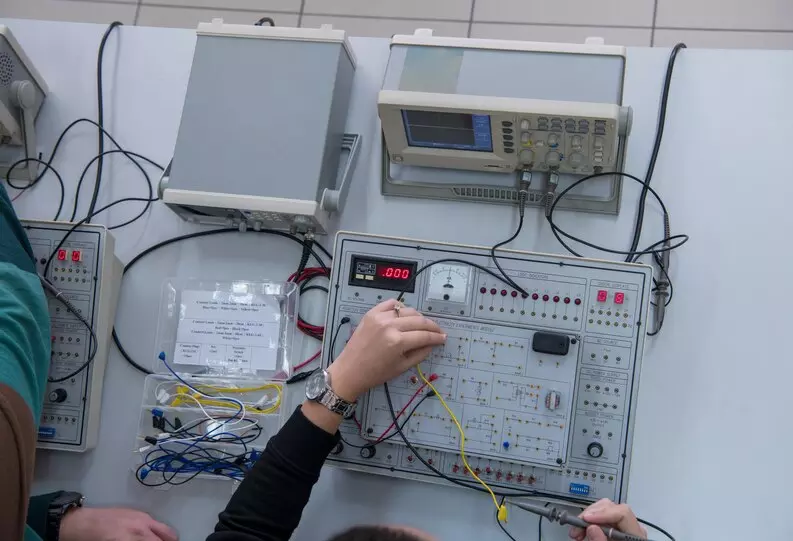
A Guide to Testing Medical Devices for Electrical Safety
Keeping medical devices safe is a top priority in hospitals. Every day, lifesaving equipment must work perfectly. That's why hospital electrical safety testing is so important. It needs to be done by skilled healthcare electrical services teams or a certified hospital electrical contractor.
This guide will explain why electrical safety testing is vital. We'll cover the standards to follow and how to keep your testing program up to date.
1. Why Electrical Safety Testing Matters
- Patient and staff safety
- Faulty wiring can cause electric shock, burns, or fires. Testing helps avoid these dangers.
- Regulation compliance
- Medical devices must meet standards like IEC 60601 and NFPA 99. Not following these can lead to legal and financial issues.
- Equipment uptime
- Electrical faults can cause equipment to shut down unexpectedly. Regular testing helps avoid this.
- Insurance and accreditation preparation
- Many accreditors and insurers need proof of hospital electrical safety testing to verify risk management.
2. Key National & International Standards
To do credible testing, a hospital electrical contractor must follow these standards:
- IEC 60601-1: Sets safety and performance requirements for medical electrical equipment.
- NFPA 99: Covers health care facility codes, including electrical system requirements.
- UL 60601-1 and ANSI/AAMI ES60601-1 (in the U.S.): The U.S. versions of IEC 60601 with U.S. changes.
- OSHA regulations: Require safe working conditions, including grounding and maintenance.
Knowing which standards apply to your location and devices is essential for effective testing.
3. Types of Electrical Safety Tests
A good electrical safety testing program includes several key assessments:
3.1 Visual Inspection
- Check cables, plugs, switches, and housings for damage or loose connections.
- Inspect grounding pins, protective screens, and warning labels.
- Verify device identification and certification marks.
3.2 Earth/Ground Continuity Test
- Ensures all exposed conductive parts connect to protective earth with low resistance (typically ≤ 0.1 ohm) to prevent electric shock if internal insulation fails.
3.3 Insulation Resistance Test
- Applies high voltage between live conductors and ground to verify insulation strength.
- For Class I equipment, the minimum is often 2–5 MΩ; higher voltages increase test sensitivity.
3.4 Leakage Current Test
- Measures current flow through ground (earth leakage), patient connections (EN leakage), and direct patient contact (touch leakage).
- Limits depend on the device category and classification (e.g., BF, CF).
3.5 Functional & Performance Tests
- Confirms the device continues operating safely under electrical load.
- Checks display, alarms, power performance, battery charging, and more.
3.6 Grounding System Testing (fixed installations)
- Especially critical in operating rooms and ICUs—must be tested for voltage drop under fault; performed by a hospital electrical contractor or healthcare electrical services team.
4. When and How Often to Test
The frequency of tests depends on:
- Regulations and standards: E.g., NFPA 99 requires at least annual inspections in critical care areas.
- Device criticality: Life-support and invasive devices may need quarterly tests.
- Usage pattern: Constant-use equipment (e.g., ventilators) may need more frequent checks.
- Manufacturer guidance: Many OEMs recommend post-maintenance and periodic testing schedules.
A well-structured testing plan should outline device lists, test types, schedules, and responsibilities.
5. Who Should Conduct the Tests
Electrical safety testing is best handled by professionals:
- Healthcare electrical services teams: Trained in both biomedical standards and hospital electrical systems.
- Qualified hospital electrical contractors: Certified electricians specializing in healthcare settings.
- Biomed/Biomedical equipment technicians (BMETs): Often perform day-to-day, low-risk testing with professional support.
Collaboration is key: medical staff, biomedical engineers, and electrical contractors must work together for thorough coverage.
6. Step-by-Step Testing Process
- Preparation
- Compile inventory of devices and outlets.
- Obtain device specs, manuals, and manufacturer’s test instructions.
- Gather tools: PAT testers, insulation testers, leakage meters, earth resistance kits.
- Visual Inspection
- Check physical condition and cleanliness; document findings and remove unsafe gear.
- Earth Continuity
- Attach leads to earth pin and exposed metal parts; record resistance.
- Insulation Resistance
- Apply high voltage; ensure readings meet minimum MΩ values.
- Leakage Current
- Test earth, enclosure, and patient-leakage per device classification and applied voltage.
- Functional Testing
- Power up device; evaluate battery, alarms, measurements, and performance metrics.
- Grounding System Checks
- Assess fixed outlets and emergency power circuits.
- Reporting
- Document results, anomalies, and corrective actions.
- Label equipment: Passed/Failed with date and next test due.
- Corrective Actions
- For failures: Identified grounding issues, cable damage, insulation degradation, recalibrate or refer to manufacturer.
- Review & Archive
- Hospital biomedical committee or facilities team should review results.
- Store records for regulatory compliance and audit.
7. Technology & Tools
Top tools for hospital electrical safety testing:
- Portable Appliance Testers (PAT) – e.g., Fluke 6500, Martindale, Seaward
- Insulation Resistance Testers (Megohmmeters) – e.g., Fluke, Megger
- Leakage Current Monitors – tailored to medical device standards
- Ground Resistance Testers – for fixed systems
- Integrated multi-function testers – e.g., Rigel Med-eBase
Many healthcare electrical services providers now offer managed testing programs. They use checklists, asset tagging, and reporting software.
8. Common Issues & How to Address Them
Common IssueLikely CauseSolutionEarth lead test failureBroken or loose earth conductorRepair or replace flexible cord; confirm earth continuityHigh leakage currentDamaged insulation, moisture, worn capsDisassemble, clean, replace damaged insulationLow insulation resistanceInsulation age, high humidityDry, clean or replace insulation; test againDevice failure in functional testInternal electronics, software or sensor issuesInternal repair or return to OEM for refurbishmentGround wiring failureCorrosion at bonding point or old systemRe-bond ground, tighten connections, upgrade system
9. Choosing the Right Contractor or Service Provider
When hiring a hospital electrical contractor or healthcare electrical services provider:
- Look for certification in IEC 60601, NFPA 99, OSHA.
- Check experience with hospital-grade medical devices and fixed systems.
- Ask about their test equipment, traceability, and calibration routines.
- Review service offerings: emergency testing, standby systems, tag-and-test programs.
- Request references and audit documentation.
10. Staying Ahead: Beyond Basic Testing
- Infrared (IR) thermography – Detects hotspots in wiring and panels.
- Smart asset tracking – RFID or QR-based equipment tracking with maintenance history.
- Remote diagnostics – Some devices support remote electrical performance monitoring.
- Training & drills – Ensure staff know how to report faults and perform basic checks.
An integrated testing and preventive maintenance program creates resilient hospital infrastructure.
Conclusion
Electrical safety testing of medical devices is key to a safe, compliant, and operational hospital. By working with expert healthcare electrical services and the right hospital electrical contractor, you protect patients, staff, and your reputation.
With a structured testing plan, including visual inspections and various tests, you meet IEC, NFPA, OSHA, and OEM standards. Adding technologies like infrared thermography and smart asset tracking ensures long-term reliability and safety.