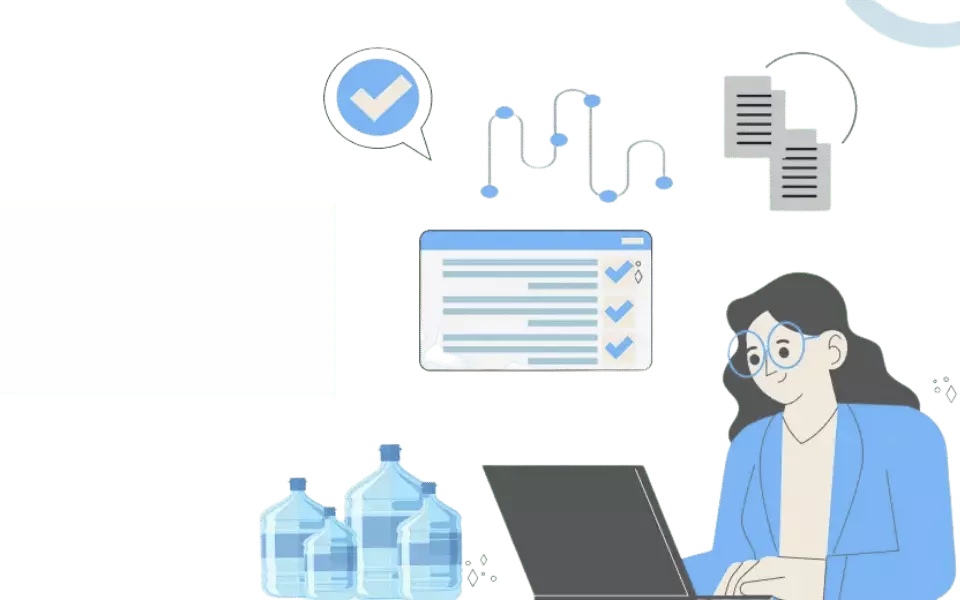
A Complete Guide to Water Delivery Systems
Water is a basic necessity of life, and ensuring its timely and safe delivery is essential for homes, businesses, and industries. Over the years, water delivery systems have evolved significantly, incorporating advanced technologies to improve efficiency, quality, and reach. Whether you are a municipal authority, a water delivery business, or someone interested in the logistics behind water supply, this guide will walk you through everything you need to know about water delivery systems.
1. What Is a Water Delivery System?
A water delivery system is a structured method of transporting water from its source to the point of use. This can range from municipal pipelines and water tankers to bottled water delivery services. These systems are designed to maintain water quality, manage pressure, and ensure timely distribution.
2. Types of Water Delivery Systems
a. Municipal Water Supply Systems
Operated by local or regional governments, these systems distribute treated water to residential and commercial properties via a network of underground pipes. They include:
- Water treatment plants
- Pumping stations
- Storage reservoirs
- Distribution pipelines
b. Tanker Water Delivery
Used in areas with limited infrastructure or during emergencies, tanker delivery involves transporting large volumes of water via trucks. Commonly used by construction sites, rural homes, or during droughts.
c. Bottled Water Delivery Services
Businesses or services that deliver bottled water (usually 5-20 liters per container) directly to customers. These can be one-time or subscription-based services.
d. On-Demand Water Delivery Apps
With the growth of mobile apps, on-demand water delivery platforms allow users to order water instantly with features like real-time tracking, digital payments, and recurring orders.
3. Key Components of an Effective Water Delivery System
- Source of Water: Groundwater, surface water (rivers, lakes), or purified municipal sources.
- Water Treatment Facilities: Ensure the removal of harmful contaminants and meet health standards.
- Storage Units: Overhead tanks, underground reservoirs, and containers to maintain supply.
- Delivery Mechanism: Pipelines, tankers, or bottled containers.
- Monitoring & Control Systems: IoT-enabled meters, pressure gauges, and remote monitoring tools.
4. Benefits of a Well-Designed Water Delivery System
- Reliable Supply: Consistent access to safe and clean water.
- Improved Health & Hygiene: Treated water reduces disease risk.
- Operational Efficiency: Automated tracking, route planning, and optimized schedules.
- Customer Satisfaction: Faster delivery, flexible ordering, and better communication.
- Sustainability: Reduced wastage through smart monitoring and leak detection.
5. Technologies Transforming Water Delivery
- IoT & Smart Sensors - Monitor water flow, detect leaks, and optimize pressure.
- Mobile Apps - Allow customers to place orders, schedule deliveries, and make payments.
- AI & Machine Learning - Used in route optimization, demand forecasting, and preventive maintenance.
- GPS Tracking -Real-time vehicle tracking ensures transparency and delivery accuracy.
- Automated Billing Systems - Enable quick invoicing and integrated digital payments.
6. Challenges in Water Delivery Systems
- Infrastructure Costs: High initial investment in treatment and pipeline systems.
- Water Loss & Leakage: Aging pipelines and poor maintenance can lead to significant losses.
- Quality Assurance: Contaminated water due to source or poor handling.
- Last-Mile Delivery Issues: Particularly in remote or crowded urban areas.
- Regulatory Compliance: Adhering to environmental and health regulations.
7. Best Practices for Implementing Water Delivery Systems
- Conduct Feasibility Studies: Understand water demand, sources, and logistics.
- Invest in Training: Equip staff with knowledge on safe handling and customer service.
- Use Sustainable Sources: Prioritize rainwater harvesting, groundwater recharge, and recycling.
- Leverage Data Analytics: For better decision-making and performance tracking.
- Partner with Technology Providers: Work with experts to integrate smart solutions.
8. Regulatory and Safety Considerations
- Health Standards: Follow local and international guidelines for water quality (e.g., WHO standards).
- Storage Regulations: Proper storage to prevent microbial growth.
- Transport Safety: Use food-grade containers and clean tankers regularly.
- Licensing & Permits: Required for commercial delivery operations.
9. The Future of Water Delivery Systems
- Decentralized Water Supply: Community-based systems with localized purification.
- Green Delivery Methods: Electric vehicles and eco-friendly packaging.
- Blockchain for Transparency: Ensures traceability of source and delivery records.
- AI-Powered Demand Prediction: Helps businesses prepare better for seasonal or regional spikes.
- Subscription-Based Models: Encouraging regular orders and brand loyalty.
Final Thoughts
Water delivery systems are critical for ensuring safe, efficient, and consistent access to one of the world’s most essential resources. From traditional municipal networks to innovative mobile app-based delivery platforms, the industry is rapidly evolving to meet the growing demands of modern consumers and businesses.
Investing in a robust water delivery system—whether through infrastructure, logistics, or digital solutions—not only improves service delivery but also contributes to better health, sustainability, and customer satisfaction.
If you're planning to build or improve a water delivery system, make sure you focus on technology, efficiency, and compliance to ensure long-term success.