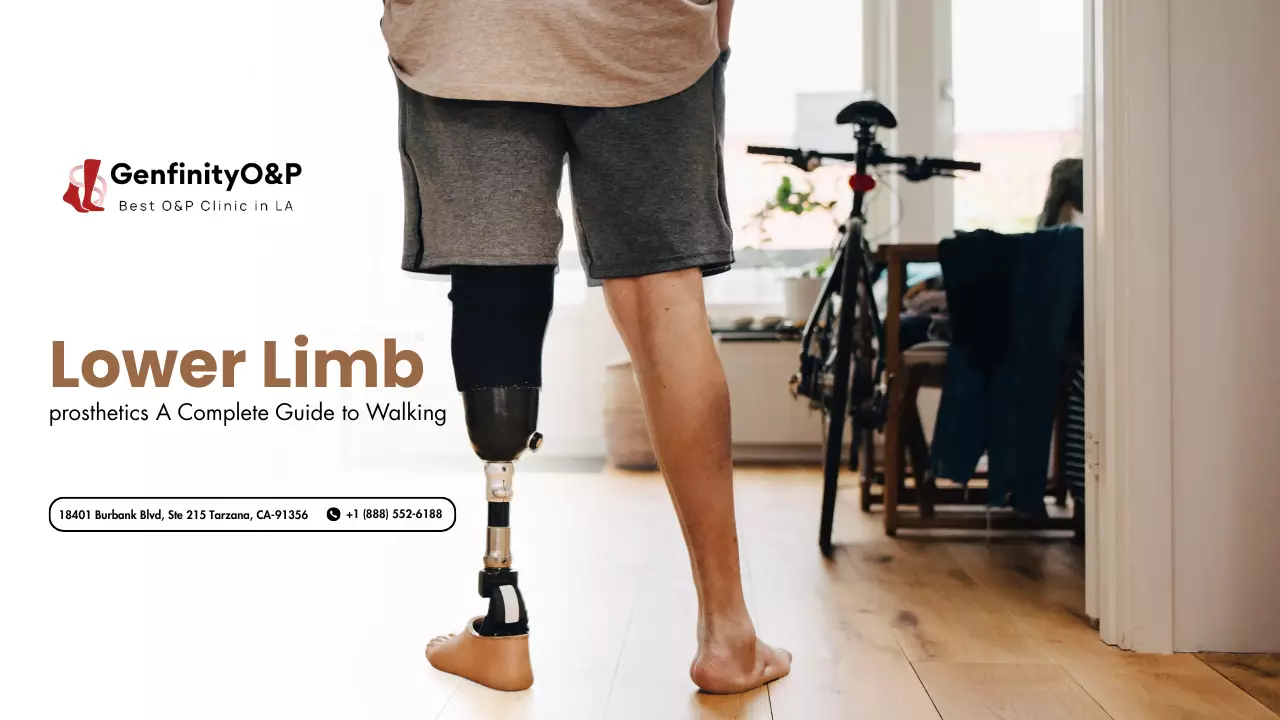
A Complete Guide to Walking and Mobility Recovery
Losing the ability to walk freely is one of the hardest experiences a person can face. Whether it follows a surgery, stroke, accident, or long illness, the road back can feel overwhelming.
But with the right plan, most people can make real progress.
Walking and mobility recovery is not a one-size-fits-all process. It depends on the cause of the problem, the person's age, and their overall health. What matters most is a steady, structured approach backed by good guidance.
This guide gives you a clear, practical roadmap. From understanding where you stand to choosing the right exercises, every step is covered here.
Understanding Your Starting Point
Why Assessment Matters
Before you begin any recovery plan, you need to know your baseline. A baseline tells you where you are today. It helps track progress over time.
A physical therapist or doctor will often use simple tests to measure your mobility. These may include the Timed Up and Go (TUG) test or the 10-Meter Walk Test. The TUG test, for example, flags a fall risk if it takes more than 12 seconds to stand, walk 3 meters, and return.
Common Causes of Mobility Loss
Understanding the root cause shapes your recovery plan. Common causes include:
- Stroke or neurological conditions
- Hip, knee, or spinal surgery
- Fractures and bone injuries
- Prolonged bed rest or hospitalization
- Conditions like Parkinson's disease or multiple sclerosis
Each condition calls for a different approach. Always work with a qualified professional to match the plan to your needs.
To understand the full range of conditions that benefit from mobility devices and support systems, read this detailed overview of orthotics and prosthetics from Genfinity O&P.
Key Stages of Walking and Mobility Recovery
Stage 1: Early Mobility (Week 1 to 2)
The first goal is safe movement. Even sitting up in bed or standing briefly counts as progress. Early movement helps prevent blood clots, muscle stiffness, and pressure sores.
At this stage, a physiotherapist will often guide you. Simple activities include:
- Ankle pumps while lying down
- Sitting at the edge of the bed
- Standing with support for 30 to 60 seconds
Research shows that patients who begin early mobility within 24 to 48 hours of surgery have shorter hospital stays and better outcomes.
Stage 2: Supported Walking (Week 2 to 6)
Once you can stand safely, the next step is walking with support. This may involve a walker, crutches, or parallel bars. The goal is to rebuild confidence and balance.
During this stage, short walks matter more than long ones. Aim for 3 to 5 minutes of walking, 3 times per day. Increase by one to two minutes each week as strength improves.
Key tips for this phase:
- Always wear supportive, non-slip footwear
- Keep a helper nearby for the first few sessions
- Focus on heel-to-toe movement, not shuffling
- Rest when you feel pain or fatigue
Stage 3: Independent Walking (Week 6 to 12)
By this stage, most people are walking without a device or with minimal support. The focus shifts to building strength, speed, and endurance.
Walking distance targets vary. A common benchmark is to reach 10 minutes of continuous walking without stopping by week 8. By week 12, many people target 20 to 30 minutes of daily walking.
Stage 4: Long-Term Maintenance (3 Months Onward)
Recovery does not stop when you can walk again. Long-term maintenance includes ongoing exercise, healthy habits, and regular check-ins with your care team.
Studies show that people who maintain a walking routine of 150 minutes per week have a significantly lower risk of re-injury and long-term disability.
Practical Recovery Tips That Work
Build a Daily Routine
Structure your day around movement. Set fixed times for walking practice. Consistency builds the muscle memory your body needs.
Even short walks count. Three 10-minute walks are just as effective as one 30-minute walk, especially early in recovery.
Manage Pain Without Skipping Movement
Pain is normal in recovery, but it should never be sharp or severe. Mild discomfort during exercise is expected. Sharp pain is a signal to stop and rest.
Work with your doctor to manage pain through medication, ice, heat, or gentle massage. Never skip physical therapy because of mild soreness.
Use the Right Assistive Devices
Assistive devices are tools, not signs of failure. They help you move safely while your body heals. The right device at the right time speeds up recovery.
Understanding the difference between prosthetics vs orthotics can help you and your care team choose the most appropriate support for your specific condition.
Common options include:
Device
Best Use
Key Benefit
Walker
Early recovery, full support
Maximum stability
Crutches
One-leg injuries
Partial weight bearing
Quad Cane
Balance issues
Added base of support
Standard Cane
Late recovery
Minimal support, more freedom
Parallel Bars
Therapy sessions
Controlled, guided movement
Talk to your therapist about transitioning between devices as your strength improves.
Focus on Balance Training
Balance is just as important as strength. Poor balance is one of the leading causes of falls during recovery. About 30% of people over 65 fall each year, and many falls happen during recovery periods.
Simple balance exercises include:
- Standing on one foot for 10 to 30 seconds
- Walking heel-to-toe in a straight line
- Side stepping along a wall
- Standing on a soft surface like a folded mat
Strengthen Supporting Muscles
Strong legs and core muscles support walking. Include these exercises in your weekly plan:
- Seated leg lifts (3 sets of 10 reps)
- Calf raises while holding a chair (3 sets of 15 reps)
- Glute bridges lying on your back (3 sets of 10 reps)
- Wall squats held for 10 to 20 seconds
Progress slowly. Add repetitions or resistance only when each exercise feels easy.
The Role of Orthotics in Mobility Recovery
For many people, standard exercises alone are not enough. Structural issues with the foot, ankle, or knee can slow down progress considerably. This is where orthotics can make a real difference.
Custom orthotics are specially designed inserts or braces built to correct alignment, distribute pressure evenly, and reduce strain on joints during walking.
They are particularly valuable during the rehabilitation stages when the body is relearning how to move correctly. Learn more about why custom orthotics are worth the investment and how they support long-term recovery outcomes.
For people recovering from more significant conditions — such as a stroke, lower limb amputation, or severe nerve injury more advanced orthotic solutions may be required.
Custom-made orthotics are crafted individually to match a patient's exact measurements, movement patterns, and goals, rather than relying on off-the-shelf options that offer limited benefit.
If you are unsure whether orthotics are right for your recovery, a certified orthotist can assess your gait and recommend the most appropriate solution.
Nutrition and Recovery
What you eat affects how fast you heal. Protein is essential for muscle repair. Aim for 1.2 to 1.6 grams of protein per kilogram of body weight per day during active recovery.
Key nutrients for mobility recovery include:
- Protein from eggs, chicken, fish, or legumes
- Calcium and Vitamin D for bone health
- Omega-3 fatty acids to reduce inflammation
- Hydration, at least 6 to 8 glasses of water per day
According to the American Physical Therapy Association, proper nutrition combined with exercise leads to faster recovery than exercise alone. [Source: apta.org]
Read: Physiotherapy in Markham: Empowering Movement and
Mental Health and Motivation
Recovery is as much a mental challenge as a physical one. Many people feel frustrated, anxious, or discouraged during the process. These feelings are normal and valid.
Set small, measurable goals. Celebrate each win, no matter how minor. Walking to the kitchen and back is a real achievement early in recovery.
Connect with others who are going through similar experiences. For broader perspectives on how mental and physical health intersect, the DZ Insights piece on the mental and physical health connection offers a useful overview of why treating both together leads to stronger outcomes. Support groups, both in-person and online, can reduce feelings of isolation and keep motivation high.
If feelings of depression or anxiety persist, speak to a mental health professional. Studies from the National Institutes of Health show that mental health support significantly improves physical recovery outcomes. [Source: nih.gov]
Navigating the Healthcare System During Recovery
Mobility recovery often involves multiple specialists — orthopedic surgeons, physiotherapists, orthotists, and general practitioners. Knowing how to coordinate between these providers can significantly reduce delays and improve your care.
If you are new to managing complex healthcare needs, the DZ Insights guide on navigating the healthcare system offers practical advice for patients managing ongoing treatment plans.
Understanding your options and asking the right questions at each appointment puts you in a stronger position throughout recovery.
It is also worth knowing how to choose the right doctor for your needs, particularly when transitioning from hospital-based care to outpatient rehabilitation. The right team makes a measurable difference in how quickly and safely you progress.
When to Call Your Doctor
Not all discomfort during recovery is normal. Contact your care team right away if you notice:
- Sudden increase in pain, especially at night
- Swelling, redness, or warmth in the leg
- Shortness of breath or chest pain
- Dizziness or frequent falls
- Numbness or tingling that is new or getting worse
These signs may indicate a complication that needs medical attention. For a broader understanding of what happens from diagnosis to recovery and what medical treatments to expect at each stage, DZ Insights provides a helpful patient-focused walkthrough.
Recovery Timeline at a Glance
Phase
Timeframe
Main Goal
Early Mobility
Week 1 to 2
Safe movement, prevent complications
Supported Walking
Week 2 to 6
Build confidence with assistance
Independent Walking
Week 6 to 12
Increase distance and stamina
Long-Term Maintenance
3 months onward
Sustain gains, prevent re-injury
Every person recovers at their own pace. This table is a general guide, not a strict schedule.
Conclusion
Walking and mobility recovery takes time, patience, and a clear plan. The good news is that most people can make meaningful progress with the right approach. Start with small, consistent steps. Use the right support tools. Stay connected to your care team.
Your body has a remarkable ability to heal. Give it the structure it needs, and results will follow.
If you found this guide helpful, explore our related articles on home exercise routines after surgery and safe fall prevention strategies. Small steps today lead to bigger strides tomorrow.