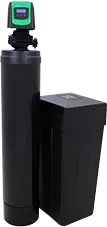
A Complete Guide to Drinking Water Systems for a Healthier Home
Clean, safe, and great-tasting water is essential for every household. Whether you're filling a glass, cooking a meal, or making coffee, the quality of your drinking water directly impacts your health and comfort. That’s where drinking water systems come into play.
From removing contaminants to improving taste, these systems are a critical investment for any home. We’ll walk you through everything you need to know about drinking water systems, including types, benefits, maintenance, and how to choose the best one for your needs.
What Are Drinking Water Systems?
Drinking water systems are specialized filtration systems designed to remove impurities and contaminants from your tap water. These systems help ensure the water you consume is safe, clean, and free of harmful substances such as chlorine, lead, sediment, and bacteria.
They can range from simple under-sink filters to advanced whole-house water filtration and reverse osmosis systems.
Why You Need a Drinking Water System
A high-quality drinking water system offers several benefits:
- Health Protection: Removes harmful contaminants like lead, mercury, and bacteria.
- Improved Taste and Smell: Filters out chlorine and other substances that affect flavor.
- Cost Efficiency: Reduces the need for bottled water purchases.
- Environmental Impact: Cuts down on single-use plastic bottle waste.
- Appliance Longevity: Prevents scale buildup in coffee makers, ice machines, and other water-using devices.
For families with children or elderly members, these systems provide an added layer of health protection that’s worth the investment.
Types of Drinking Water Systems
There are various types of drinking water systems tailored to different needs and budgets:
1. Activated Carbon Filters
These filters are commonly used in pitchers, faucet attachments, and under-sink units. They work by absorbing impurities and removing chlorine, volatile organic compounds (VOCs), and odors.
2. Reverse Osmosis (RO) Systems
RO systems push water through a semi-permeable membrane to remove up to 99% of contaminants, including lead, fluoride, arsenic, and nitrates. Ideal for households with poor water quality.
3. Ultraviolet (UV) Purification Systems
These use ultraviolet light to kill bacteria and viruses. Often used in combination with other filtration methods.
4. Whole-House Filtration Systems
These systems treat all the water entering your home. They’re effective for reducing sediment, chlorine, and other chemicals across multiple water sources.
5. Water Softeners with Integrated Filtration
Some drinking water systems combine water softening with filtration, offering comprehensive water treatment in areas with hard water.
Key Features to Look for in a Drinking Water System
When selecting a drinking water system, consider the following features:
- NSF Certification: Ensures the system meets public health and safety standards.
- Filter Lifespan: Look for systems with longer-lasting filters to reduce maintenance.
- Ease of Installation: Choose between DIY-friendly systems or ones requiring professional installation.
- Water Pressure Compatibility: Some systems may reduce flow rate; check your home’s water pressure needs.
- Contaminant Removal Capability: Match the system’s filtration ability to your local water quality report.
Maintenance Tips for Drinking Water Systems
To keep your drinking water system working efficiently:
- Change Filters on Schedule: Follow the manufacturer’s recommendations, usually every 6 to 12 months.
- Sanitize the System Annually: Prevent bacterial buildup, especially in RO systems.
- Check for Leaks: Inspect fittings and connections regularly.
- Monitor Water Quality: Test your water periodically to ensure your system is effectively filtering contaminants.
Routine maintenance ensures that your drinking water remains safe and that the system lasts for years.
Common Contaminants Drinking Water Systems Remove
Here are some typical contaminants that drinking water systems target:
- Lead: Often enters water through old plumbing.
- Chlorine/Chloramine: Common disinfectants that affect taste and smell.
- Sediment: Sand, rust, and dirt that can damage appliances.
- Pesticides and Herbicides: Found in agricultural runoff.
- Bacteria and Viruses: Can cause serious health issues.
- Fluoride and Nitrates: Present in some municipal and well water supplies.
Knowing what’s in your water helps determine the best filtration method.
How to Choose the Right Drinking Water System for Your Home
When selecting a drinking water system, ask yourself:
- What contaminants are in my water? (Request a water quality report from your local utility.)
- How many people live in my household?
- Do I want to filter just drinking water or all household water?
- What is my budget for installation and maintenance?
For many households, a combination of under-sink RO and whole-house filters works best.
Professional Installation vs. DIY: What’s Better?
While some systems like pitcher filters or faucet attachments are easy to install yourself, others like whole-house or RO systems may require professional help.
Professional installation benefits:
- Ensures proper fitting and performance.
- Reduces the risk of leaks or malfunction.
- Often includes warranties or maintenance packages.
Conclusion
Whether you're concerned about contaminants, want better-tasting water, or just want peace of mind, a drinking water system is a smart upgrade for any household. By choosing the right system and maintaining it regularly, you’ll ensure safe, healthy, and refreshing water every day. Invest in your family’s health and comfort today explore your options for high-performance drinking water systems with a trusted provider like Rayne Water.