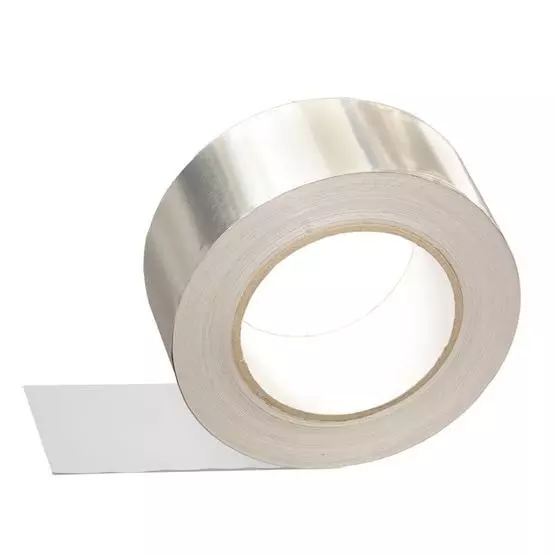
A Complete Guide to Building Membranes Across the Envelope
Improving wall insulation is one of the most effective ways to enhance energy efficiency and indoor comfort. Homeowners often choose between cavity wall insulation and external wall insulation, each offering unique advantages depending on the property's construction.
Factors such as cost, thermal performance, installation requirements, and appearance can influence the decision. Understanding the differences between these systems helps homeowners select the most appropriate solution for their energy-saving goals.
What Building Membranes Actually Do
The term 'membrane' covers a surprisingly wide range of products in the construction sector, from thick rubber sheet waterproofing to thin breathable foils barely thicker than a carrier bag.
What unites them is their role as control layers interfaces that manage the movement of air, vapour, or liquid water across a boundary in the building envelope. Getting the right product in the right position is one of the most technically demanding aspects of building envelope specification.
The confusion arises because different membranes are designed to control different things. A vapour control layer restricts vapour movement; a waterproofing membrane stops liquid water; a breathable façade membrane allows vapour to escape while resisting wind and rain. Using any of these in a position designed for another can create serious moisture management problems.
Vapour Control Layers in Floors and Ceilings
In ground-supported floor slabs, a polythene DPM (damp-proof membrane) beneath the insulation layer prevents ground moisture from wicking upward through the construction.
The thickness of the polythene matters — 1200 gauge (300 micron) is the standard specification for new build, providing adequate resistance to puncture during concrete placement.
For suspended concrete ground floors and timber floors over crawl spaces, similar principles apply, though the vapour drive direction and the appropriate position of the control layer differ.
In cold-deck flat roofs — a configuration where insulation sits below the decking a vapour control layer on the warm side of the insulation prevents moist internal air from reaching the cold deck surface where it would condense. This is a position where omission or incorrect installation has caused widespread flat roof failures historically.
Read: Flat Roofing Mississauga – Complete Guide to Repair
Breathable Membranes in Pitched Roofs and Walls
The widest application of true breathable membranes is in pitched roof construction and in the external face of timber frame and SIP (structural insulated panel) wall assemblies.
In pitched roofs, the breathable roofing underlay sits immediately below the tiling battens, over the rafters, providing secondary weather resistance if tiles or slates are displaced or if driving rain penetrates between laps. Its vapour permeability allows the rafter space to dry out in warm conditions, preventing condensation accumulation.
In wall assemblies, the breathable façade membrane sits between the structural wall layer and the external cladding, in a ventilated or drained cavity.
Wind loads are a significant consideration here the membrane must resist the differential pressure across it during storms without tearing or delaminating.
Most quality façade membranes are tested to the manufacturer's declared wind load resistance and this value should be checked against the exposed location of the building.
Selecting the Right Building Membrane
Among all the categories of building membrane available on the market, the correct selection process starts with the functional requirement what does this control layer need to stop or allow to pass and works back to the product specification. For roof underlays, the Sd value (vapour resistance) and tensile strength are the primary parameters.
For waterproofing membranes under balconies or terraces, crack bridging ability and compatibility with the priming and finishing systems are key. For floor DPMs, puncture resistance and lap joint reliability are the critical details.
Product datasheets from reputable manufacturers provide all these values in a consistent format. The effort of reading them before purchase rather than after installation pays for itself many times over on any project of scale.
System Compatibility and Warranties
Membrane systems perform best when all components primer, membrane, lap tape, detail flashings come from a single manufacturer with a declared compatible system.
System warranties are increasingly available from membrane manufacturers and are worth seeking for any significant waterproofing or vapour control application. They provide recourse if an installation issue arises years after completion and serve as evidence that materials were correctly specified during any dispute.
Conclusion
Building membranes are among the highest-stakes specification decisions in any construction project the consequences of getting them wrong are typically expensive, slow to manifest, and difficult to remediate.
Insulation Point Limited stocks a curated range of roof, wall, and floor membranes from trusted manufacturers, supported by accurate product information to help customers make the right choice first time.