A Beginner’s Guide to Gear Cutting Tools in Manufacturing
Gear manufacturing plays a vital role in industries such as automotive, aerospace, and heavy machinery. Every mechanical system that relies on motion and power transmission depends on precisely manufactured gears.
Beginners often find gear production complex, but the right understanding of tools simplifies the process. Gear cutting tools help shape raw materials into accurate gear profiles, ensuring smooth performance and long service life.
What Are Gear Cutting Tools?
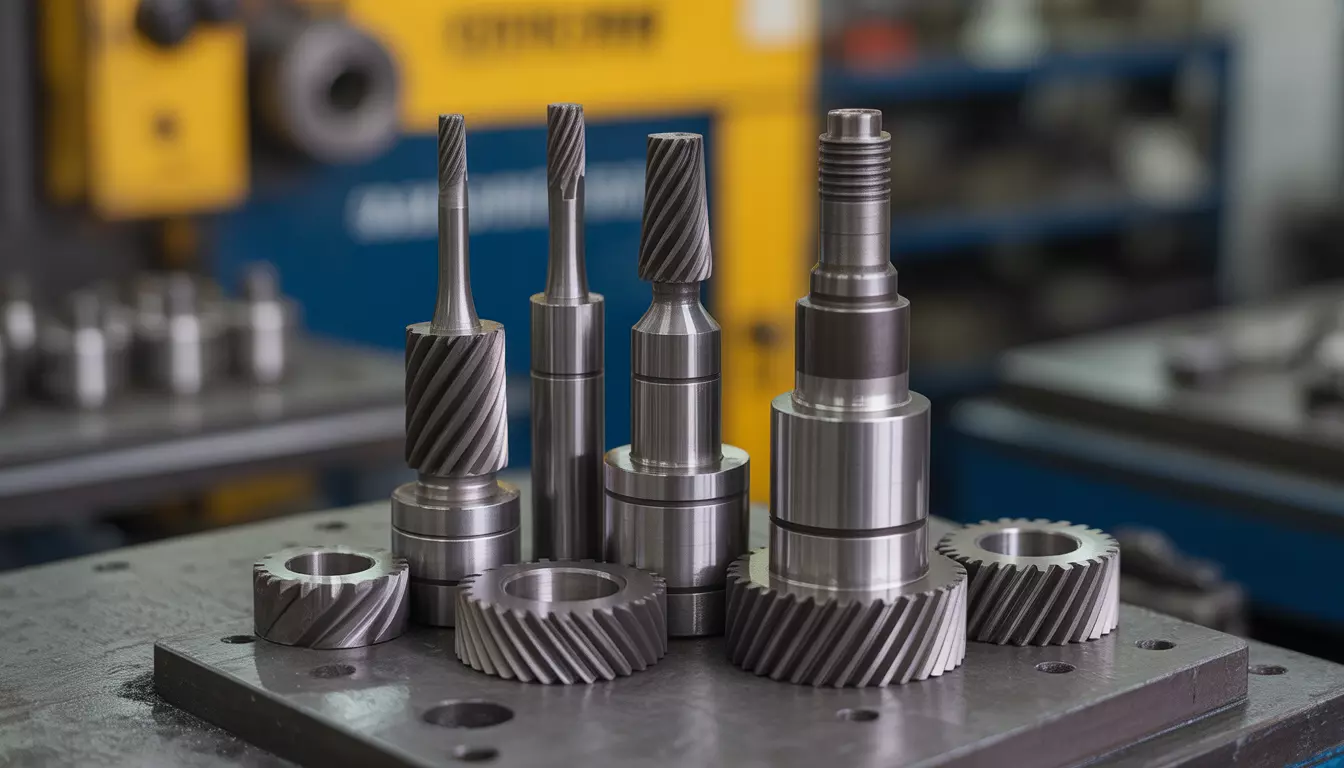
Gear cutters are specialized tools designed to create gear teeth on cylindrical or conical surfaces. These tools remove material in a controlled way to produce precise tooth profiles.
Manufacturers use different types of tools depending on the gear design and production requirements. Many beginners search for "what are gear cutting tools and how do they work in manufacturing" to understand their importance in producing high-quality gears.
Types of Gear Cutting Tools Used in Industry
Manufacturers use several types of tools to produce gears. Common options include gear hobs, shaping cutters, broaches, and milling cutters. Each tool performs a specific function and suits different production methods.
Among these, gear cutters designed for involute profiles remain highly popular because they create accurate tooth shapes. Many industries rely on "types of gear cutting tools for precision gear manufacturing" to select the right tool for their applications.
Understanding Involute Gear Cutting
Involute gear cutting is one of the most widely used methods in modern manufacturing. This method creates gear teeth with a specific curved profile that ensures smooth power transmission.
Tools designed for involute cutting maintain consistency and accuracy across multiple gears.
Beginners often explore "involute gear cutting process explained for beginners" to understand how these tools produce reliable and efficient gear systems.
Materials Used in Gear Cutting Tools
Tool material directly affects performance and durability. High-speed steel and carbide are the most common materials used in manufacturing these tools.
Carbide tools offer higher hardness and wear resistance, making them ideal for high-volume production. Strong materials help maintain sharp cutting edges, which improves accuracy and reduces tool wear.
Many professionals prefer "high-performance gear cutting tools for metal machining" to ensure long-term reliability.
Importance of Tool Geometry in Gear Cutting
Tool geometry determines how efficiently a tool cuts and shapes gear teeth. Features such as tooth profile, rake angle, and clearance angle influence cutting performance. Well-designed tools reduce cutting forces and improve surface finish.
Accurate geometry also ensures that the gear teeth mesh properly during operation. Understanding geometry helps beginners choose the right tools for consistent results.
Role of Cutting Parameters in Gear Manufacturing
Cutting speed, feed rate, and depth of cut significantly impact gear quality. Proper parameter selection ensures smooth cutting and prevents tool damage.
Beginners should start with recommended settings and adjust based on material and machine capability. Many machinists search for "best cutting parameters for gear cutting tools in CNC machines" to improve efficiency and maintain precision.
Advantages of Using High-Quality Gear Cutting Tools
High-quality tools provide better accuracy, longer life, and improved productivity. They reduce vibration, minimize errors, and deliver consistent results across multiple production cycles.
Reliable tools also decrease downtime and maintenance costs. Businesses that invest in premium Gear Cutters gain a competitive advantage by producing high-precision gears with fewer defects.
Read: Why OEW Is a Trusted Hydraulic Cylinder Manufacturer in
Applications of Gear Cutting Tools in Manufacturing
Gear cutting tools serve a wide range of industries. Automotive manufacturers use them to produce transmission gears, while aerospace industries rely on them for high-performance components.
Heavy machinery and robotics also depend on precise gears for efficient operation.
Many professionals look for "gear cutting tools applications in automotive and industrial manufacturing" to understand their widespread use.
Tips for Beginners to Choose the Right Tools
Beginners should focus on selecting tools based on material type, gear design, and production volume. It is important to evaluate tool material, coating, and geometry before making a decision. Testing tools in real conditions helps identify the best option.
Choosing the right Gear Cutters improves machining accuracy and ensures consistent performance in different applications.
Conclusion: Building a Strong Foundation in Gear Cutting
Understanding gear cutting tools is essential for anyone entering the manufacturing industry. The right tools, materials, and cutting strategies ensure precision and efficiency.
Beginners who invest time in learning tool selection and application can achieve better results. Gear Cutters remain a key component in modern gear production, helping industries maintain quality and performance standards.