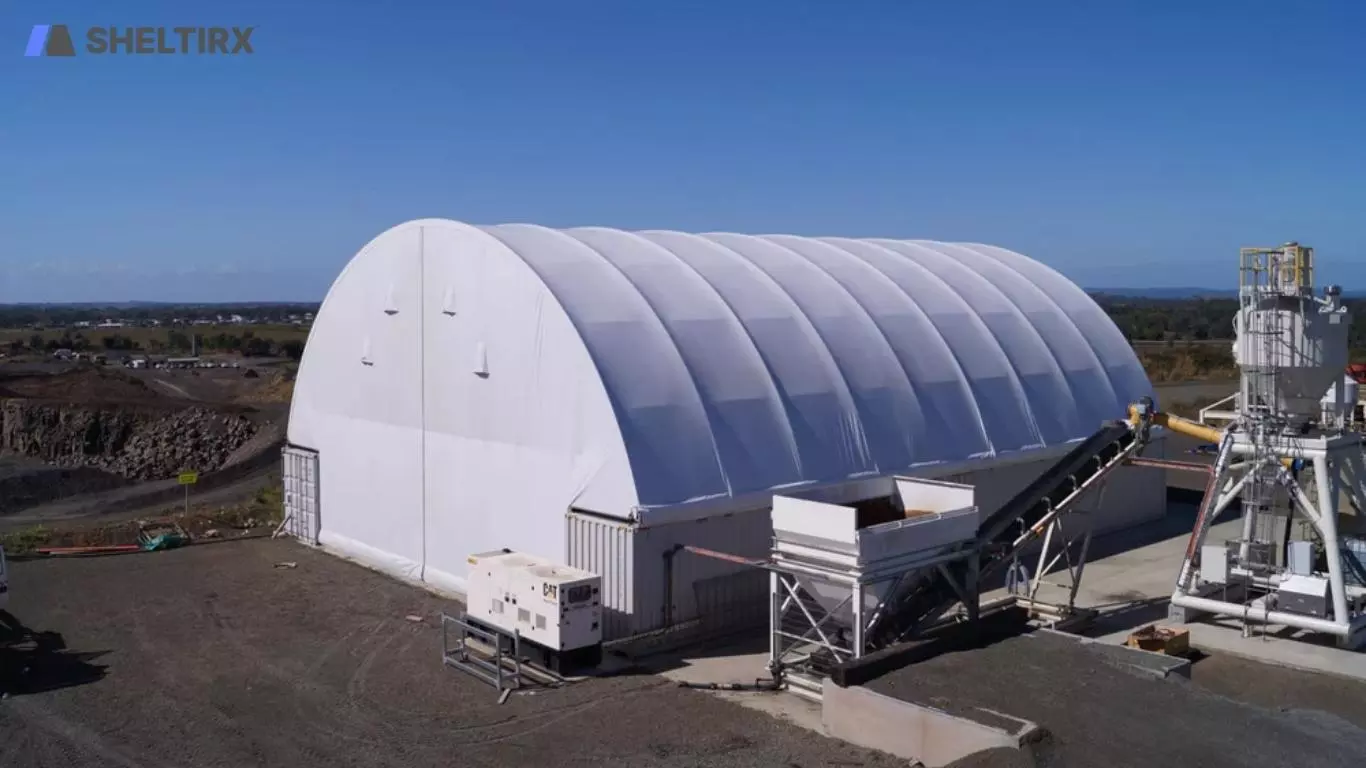
9 Expert Tips to Choose the Best Portable Storage & Housing Solution (Avoid Costly Mistakes)
The Growing Demand for Smarter Infrastructure Solutions
A shelter container has become one of the most practical solutions in the USA for people and businesses looking for fast, durable, and flexible infrastructure—whether for storage, temporary housing, disaster relief, or industrial use.
As construction costs rise and space becomes more limited, more individuals are shifting toward modular, portable systems that can be deployed quickly and adapted to different environments.
The challenge is that not all solutions are created equal. Many buyers make expensive mistakes by focusing only on price or appearance, without considering durability, insulation, compliance, or long-term usability. This guide breaks down everything you need to know before making a decision, so you can invest confidently and avoid common pitfalls.
What Is a Modern Portable Infrastructure Unit?
In simple terms, this type of modular structure is a prefabricated steel-based unit designed for transportability and multi-purpose use. It can be modified for living space, storage facilities, mobile offices, or emergency shelters depending on the configuration.
A modern shelter container typically includes reinforced steel framing, weather-resistant panels, and customizable interiors that allow users to adapt it for residential or commercial applications. Its popularity has surged in the USA due to its ability to combine durability with mobility, making it suitable for both urban and remote environments.
Top 9 Expert Tips for Choosing the Right Solution
1. Prioritize Structural Strength
Always check the steel grade, frame thickness, and load-bearing capacity. A stronger structure ensures better longevity and resistance to harsh weather conditions.
2. Evaluate Insulation Quality
If you plan to use it for housing or climate-sensitive storage, insulation is critical. Look for polyurethane foam, rock wool, or similar thermal-resistant materials.
3. Check Weather Resistance Ratings
From hurricanes in coastal states to snowstorms in northern regions, your unit must handle extreme weather without corrosion or leakage.
4. Understand Mobility Requirements
Not all units are equally easy to transport. Consider whether you need crane lifting compatibility, forklift access, or modular stacking options.
5. Inspect Interior Customization Options
A flexible interior layout allows you to convert the space into offices, sleeping quarters, or storage zones depending on evolving needs.
6. Verify Compliance with Local Codes
In the USA, zoning and building regulations vary by state. Always confirm that your structure meets safety, fire, and occupancy standards.
7. Focus on Ventilation Systems
Proper airflow prevents moisture buildup, mold growth, and overheating—especially in enclosed environments.
8. Compare Long-Term Maintenance Costs
A low upfront price may lead to high maintenance expenses later. Choose materials that require minimal upkeep over time.
9. Consider Expandability
Some systems allow multiple units to be connected, offering scalable space solutions for growing needs.
Read: Common Indoor Pests in Florida Homes During Rainy Season
Common Mistakes People Make (And How to Avoid Them)
One of the biggest mistakes buyers make is treating these structures as simple “metal boxes” rather than engineered systems. This leads to poor decision-making and long-term inefficiencies.
Another frequent issue is ignoring insulation and climate control. Many users discover too late that their unit becomes unusable in extreme temperatures.
Other common mistakes include:
- Choosing the cheapest option without checking certifications
- Overlooking ventilation and moisture control systems
- Ignoring foundation requirements
- Not planning for future expansion
- Skipping professional installation advice
These errors often result in additional repair costs, reduced lifespan, and safety risks.
Cost, Durability, and Real-World Use Cases
The cost of modular infrastructure varies widely depending on size, materials, and customization. Entry-level units may be affordable, but advanced configurations with insulation, plumbing, and electrical systems can significantly increase the price.
In terms of durability, high-quality steel structures can last decades with proper maintenance. Their resistance to pests, fire, and extreme weather makes them ideal for demanding environments.
Real-world applications include:
- Emergency housing after natural disasters
- Remote worksite offices in construction and oil industries
- Agricultural storage for equipment and supplies
- Temporary classrooms or training centers
- Mobile clinics and healthcare units
- Residential tiny homes and off-grid living setups
The versatility of these systems is one of the key reasons they are gaining traction across the United States.
Buying Guide: Key Decision Factors Before You Invest
Before making a purchase, it’s important to evaluate your long-term goals rather than just immediate needs. Start by defining the primary purpose—storage, housing, or commercial use—because this will determine everything from insulation requirements to internal layout.
Next, assess environmental conditions in your region. A unit used in Arizona will have different requirements compared to one in Minnesota. Climate plays a major role in material selection and design features.
You should also evaluate vendor credibility. Look for manufacturers with proven experience, verified client reviews, and transparent specifications. Avoid suppliers who cannot provide detailed engineering data or compliance documentation.
Finally, think about scalability. Many buyers underestimate future expansion needs and end up replacing their units instead of upgrading them modularly.
Conclusion: Making a Smart, Future-Proof Investment
Choosing the right modular infrastructure is not just a purchase decision—it’s a long-term investment in safety, flexibility, and efficiency. When selected carefully, it can serve as a reliable solution for housing, storage, or operational needs across diverse environments in the USA.
If you are exploring a reliable, customizable, and durable solution in this space, Sheltirx offers professionally engineered systems designed to meet modern industrial and residential demands.