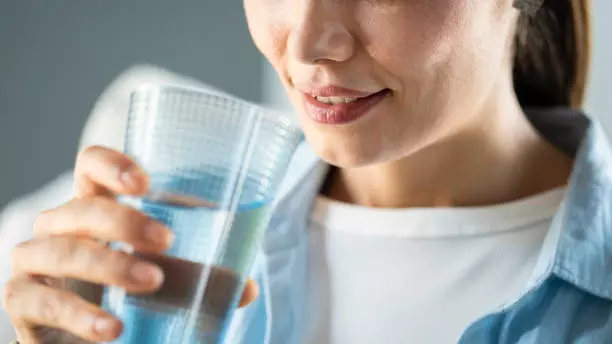
8 Reasons Why Water Is Your Best Mouthwash!
If you've ever rushed out of the house and realized you forgot to use mouthwash, don't panic. The truth is, you might already have the best one with you — plain water. Yes, water. It might sound too simple, but once you understand why water is your best mouthwash, it'll start to make a lot more sense.
Even the best dentist in Nagpur would probably tell you the same thing: your mouth doesn't need fancy flavors or alcohol-based rinses to stay healthy. It mostly needs moisture, balance, and consistency — all things water gives you for free.
Let's break it down properly.
8 Reasons Why Water Is Your Best Mouthwash
1. Water Keeps Your Mouth Naturally Clean
Think about how often you eat something sticky or sugary. Those tiny food bits get trapped between your teeth and around your gums. That's where bacteria love to hang out.
Drinking or rinsing with water helps flush those particles out before they cause trouble. It's a small step, but it makes a real difference. Every sip you take helps wash away the stuff that mouthwash often just masks with minty flavor.
Ever noticed how your mouth feels fresh after just rinsing with plain water? That's your body's way of showing how effective water can be when used regularly.
2. Water Keeps Bad Breath Away
Bad breath often starts when your mouth gets dry. Saliva naturally fights bacteria, but when it slows down, odors start building up.
Water helps keep your mouth moist, so bacteria don't get a comfortable space to grow. You don't need strong alcohol-based mouthwash to kill them off — regular rinsing with water after meals can stop bad breath before it begins.
If you've ever woken up with "morning breath," you know exactly what happens when your mouth stays dry for hours. Try keeping a glass of water by your bed — drink or rinse before sleeping and after waking up. It actually works.
3. Water Supports Your Body's Natural Defenses
Your saliva does a lot of behind-the-scenes work — it keeps the pH balance in your mouth neutral and protects your teeth from acid attacks.
But saliva needs hydration to do its job well. When you don't drink enough water, saliva production drops, leaving your mouth vulnerable to decay.
So if you think about it, keeping hydrated isn't just for glowing skin or digestion. It's also about protecting your teeth and gums in a way no commercial mouthwash can match.
4. Water Reduces Sugar and Acid Damage
If you drink soft drinks, coffee, or fruit juices often, you're constantly exposing your enamel to acid. Even a few sips can start to weaken it.
Rinsing your mouth with water after drinking or eating something acidic helps neutralize those effects. It's a simple habit, but it can prevent a lot of dental issues later.
The best dentist in Nagpur would probably remind you that enamel doesn't grow back. Once it's gone, it's gone. So, protecting it with a quick water rinse after meals or beverages is one of the smartest things you can do.
5. Water Is Free and Always Available
This one's obvious but often overlooked. You don't need to spend money on bottles of mouthwash or worry about ingredients. Water is already there, safe, and accessible.
No fancy formulas, no side effects, no alcohol burn. Just clean hydration, doing exactly what your mouth needs.
You could say that while commercial mouthwashes have their uses, water offers a daily, sustainable routine that's impossible to beat.
6. Water Helps After Meals When Brushing Isn't Possible
You've probably had those moments — after lunch at work, on a trip, or out for dinner — where brushing right away isn't an option.
That's when water steps in. Rinse thoroughly after eating, and it clears leftover food particles and sugars. It also prevents that sticky feeling that usually stays behind.
Even if you can't brush for hours, rinsing with water can hold things together until you get home. It's one of those small habits that actually make a big difference in the long run.
7. Water Is Gentle on Sensitive Mouths
A lot of commercial mouthwashes sting or dry out your mouth, especially if they have alcohol. That burning sensation? It's not really helping as much as you might think.
Water, on the other hand, is gentle. It doesn't irritate your gums or change your mouth's natural balance. If you've had dental work done recently or deal with sensitivity, rinsing with water is much safer.
Sometimes, simple really is better.
8. Water Complements Good Oral Hygiene
Let's be honest — water alone won't replace brushing or flossing. But it supports both perfectly.
Think of it as your in-between care. You brush in the morning and at night, but your mouth still goes through a lot during the day. Drinking and rinsing with water keeps things balanced until your next brush.
It's also a quiet reminder that good oral health isn't always about products — it's about habits.
How to Make Water a Part of Your Oral Routine
A few small tweaks can make this work easily:
1. Rinse after every meal or snack. It takes less than a minute but stops bacteria from settling in.
2. Drink water often. Not just when you're thirsty. Frequent sips keep saliva active and your mouth fresh.
3. Keep a bottle handy. Whether at work, the gym, or while travelling, it's a good backup.
4. Avoid flavored waters with sugar. Plain is always best for your teeth.
Try this for a week, and you'll notice your mouth feeling fresher, even without mouthwash.
Read: Teeth Whitening in Jaipur – Brighten Smile with Expert Care
What Dentists Think About Water as Mouthwash
If you talk to the best dentist in Nagpur, you'll likely hear that mouthwash isn't essential for everyone. It's more of a supplement than a necessity.
Water, though, is universal. Every dental expert agrees that hydration supports oral health in ways that mouthwash alone can't.
Some people use both — mouthwash in the morning or night and water rinses during the day. That's a smart combination.
The takeaway? You don't have to overthink it. As long as you're brushing properly and staying hydrated, your mouth is already on the right track.
FAQs
1. Can water really replace mouthwash?
Not completely, but it can handle most of what mouthwash does. Rinsing with water removes food debris, balances pH, and prevents dryness. For everyday use, it's often enough.
2. Why is water your best mouthwash if I already use a branded one?
Because water works with your body's natural process instead of masking odors or drying your mouth. It's safe for daily, frequent use — anytime, anywhere.
3. How often should I rinse with water?
Ideally, after every meal or snack. It only takes a few seconds, but it protects your teeth and gums throughout the day.
4. Can water help with gum health?
Yes. Regular rinsing reduces bacteria and keeps your gums hydrated, which lowers the risk of irritation or bleeding.
5. Should I use warm or cold water?
Either is fine. Warm water feels soothing after meals, but cold water works just as well for rinsing.
So, is water really your mouthwash? Honestly, yes and it's been that way all along.
You don't need strong flavors or fancy bottles to keep your mouth clean. You just need consistency. Drink, rinse, and repeat.
If you're ever unsure about your routine, a quick visit to the best dentist in Nagpur can help tailor advice to your needs. But most will tell you the same thing staying hydrated is one of the easiest, most effective ways to care for your teeth.
Sometimes the simplest solution turns out to be the smartest one. And in this case, that's just plain water.