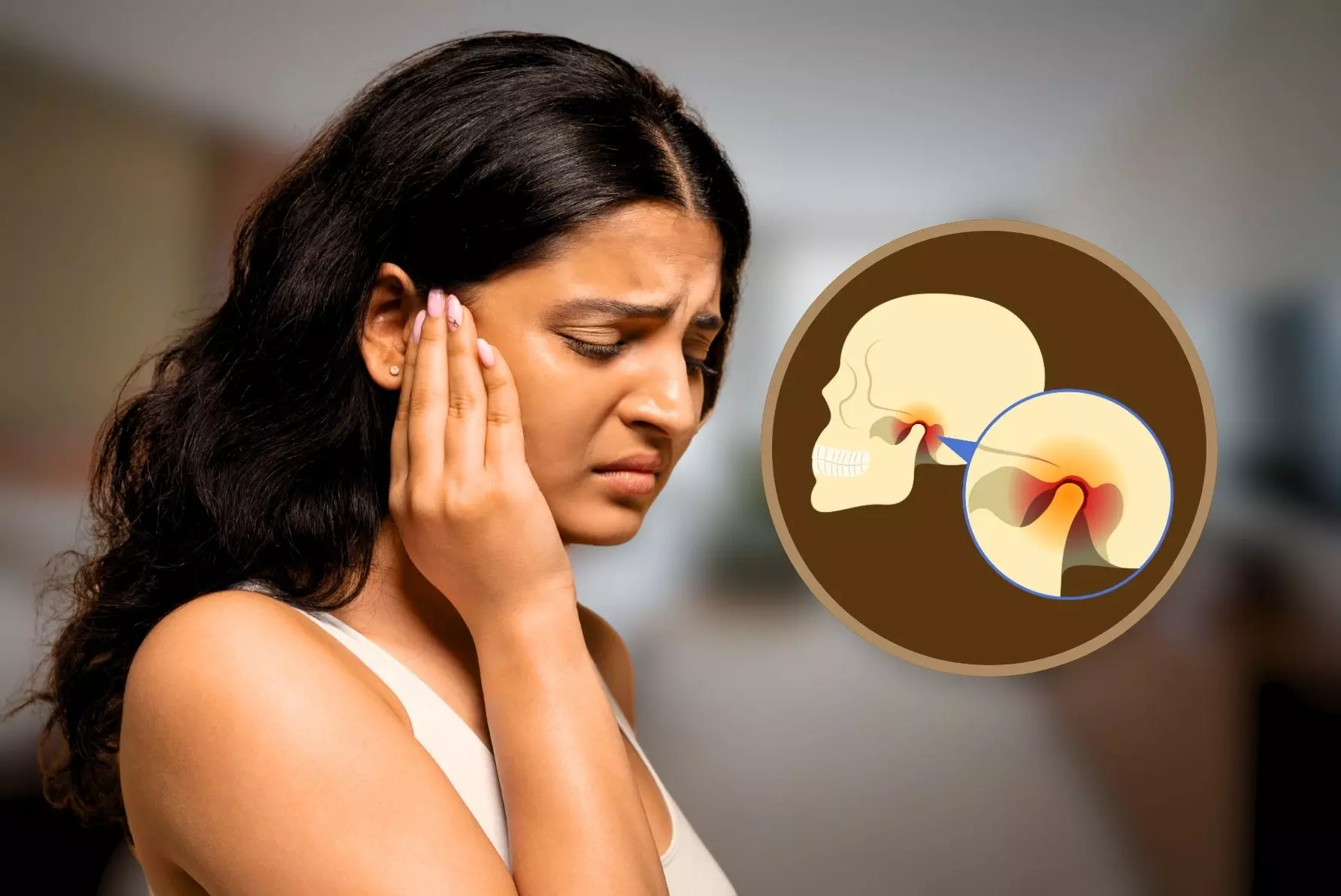
7 Warning Signs You Need Emergency Dental Care Right Now
Most people only think about visiting a dentist when something is visibly wrong or the pain becomes unbearable. But by the time a dental problem gets to that point, it has often already progressed further than it needed to.
Knowing the difference between a problem that can wait and one that needs urgent attention could save you from serious complications or even save a tooth entirely.
This article breaks down the 7 most important warning signs that indicate you need emergency dental care right away, along with what those symptoms usually mean and what you should do while you wait to see a dentist.
What Is a Dental Emergency?
A dental emergency is any situation that involves severe pain, uncontrolled bleeding, risk of infection, or trauma to the teeth, gums, or jaw that requires immediate professional attention.
Unlike a routine toothache that comes and goes, dental emergencies tend to worsen rapidly without treatment.
Not every dental problem is an emergency a small chip in a tooth with no pain, for example, can usually wait for a regular appointment. But the seven situations below should never be left untreated.
1. Severe or Persistent Toothache
A toothache that is intense, throbbing, or has lasted more than a day or two without any sign of improvement is a warning sign that something is seriously wrong beneath the surface. This type of pain is commonly caused by:
- A deep cavity that has reached the inner pulp of the tooth
- A dental abscess (a pocket of infection)
- A cracked tooth that is not visible to the eye
- Advanced gum disease affecting the root
The important thing to understand is that this kind of pain does not resolve on its own. The underlying cause will continue to worsen, and in the case of infection, it can spread to surrounding teeth, the jawbone, or beyond.
Over-the-counter pain medication can temporarily reduce discomfort, but it does not treat the source of the problem. A dentist needs to examine the tooth to determine the cause and provide appropriate treatment.
2. A Knocked-Out Tooth
A knocked-out tooth also called an avulsed tooth is one of the most time-critical dental emergencies that exists.
Research shows that if a knocked-out permanent tooth is re-implanted within 30 minutes, the chances of it surviving long-term are significantly higher. After an hour, those chances drop considerably.
This kind of injury most commonly happens during contact sports, falls, or accidents. When it occurs, the steps taken in the minutes immediately after make a real difference to the outcome.
If a tooth is knocked out, pick it up by the crown (the white, visible part) and avoid touching the root. If it is dirty, rinse it gently with clean water do not scrub or use soap.
If possible, place it back into the socket. If that is not possible, store it in a small container of milk or keep it between the cheek and gum to prevent it from drying out. Then get to a dentist as quickly as possible.
3. Swelling in the Face, Jaw, or Gums
Unexplained swelling in the face, jaw, or gums is one of the more serious signs of a dental emergency, because it frequently points to an abscess a bacterial infection that has built up around the root of a tooth or in the gum tissue.
What makes abscesses particularly dangerous is their potential to spread. Without treatment, the infection can move into the neck, throat, or even the bloodstream, leading to a condition called sepsis, which is life-threatening.
Common signs of a dental abscess include a persistent, severe toothache, swelling of the face or cheek, fever, a bad taste in the mouth, and swollen lymph nodes in the neck.
If swelling is accompanied by difficulty breathing or swallowing, seek emergency medical care immediately as the airway may be at risk.
Applying a cold compress to the outside of the face can help manage swelling temporarily, but professional treatment which typically involves draining the abscess and antibiotics is essential.
4. Uncontrolled Bleeding From the Mouth
Some bleeding after a tooth extraction or from irritated gums is normal and usually settles within 20 to 30 minutes with firm pressure applied.
However, heavy bleeding that does not stop after this time is not normal and requires urgent attention.
Persistent oral bleeding can result from trauma to the mouth, a complication following a dental procedure, advanced gum disease, or in some cases an underlying medical condition affecting blood clotting.
While waiting to see a dentist or seeking medical care, bite firmly on clean gauze or a clean cloth and maintain consistent pressure. Avoid rinsing, spitting forcefully, or using a straw, as these actions can disturb blood clots that are trying to form.
5. A Cracked, Chipped, or Broken Tooth
Not all cracks and chips are emergencies. A small, smooth chip that causes no pain can typically be addressed at a routine appointment.
However, a tooth that has broken significantly, has sharp edges causing injury to the tongue or cheeks, or is causing pain when biting or sensitivity to temperature needs prompt attention.
Cracks that extend toward the root of the tooth are particularly serious. They can allow bacteria to enter the inner layers of the tooth, leading to infection, nerve damage, and in some cases complete tooth loss if not treated in time.
A phenomenon known as cracked tooth syndrome involves a crack that is too small to be seen on an X-ray but causes sharp pain when biting in a specific direction. This requires professional diagnosis, as it will not improve without treatment.
If a piece of tooth has broken off, save it if possible and bring it to your dental appointment. Rinse the mouth gently with warm water and avoid biting on that side.
6. A Lost or Broken Filling, Crown, or Other Restoration
When a filling, crown, bridge, or veneer falls out or breaks, the tooth structure underneath becomes exposed and vulnerable. This can result in significant sensitivity, pain, and rapid bacterial build-up in the unprotected area.
Many people make the mistake of ignoring lost restorations because they are not experiencing severe pain at the time.
However, the longer the tooth is left exposed, the greater the risk of decay, infection, and structural damage which can make the eventual repair far more complex and costly.
Temporary dental cement, available at pharmacies, can be used to cover the area as a short-term measure, but it is not a permanent solution and does not replace professional care.
7. Sudden Sensitivity or Pain When Biting
If you suddenly develop sharp pain or intense sensitivity when biting down, eating hot food, or drinking something cold, it is a sign that something has changed inside the tooth or the surrounding structure. Possible causes include:
- A crack in the tooth
- A failing or cracked filling
- Pulpitis inflammation of the inner pulp of the tooth
- An abscess forming at the root
- Exposed dentine due to enamel erosion or gum recession
The key distinction here is suddenness and intensity. Mild, generalised sensitivity to cold that has been present for a long time is different from a sharp, new, localised pain that lingers after the trigger is removed. The latter warrants urgent dental assessment.
What Happens If You Ignore a Dental Emergency?
Dental problems do not resolve on their own. In almost every case, an untreated dental emergency will progress to a more serious condition. A small infection becomes a large abscess.
A cracked tooth becomes a broken tooth that cannot be saved. A knocked-out tooth that is not re-implanted in time is lost permanently.
Beyond the dental consequences, untreated oral infections can spread to other parts of the body and become genuinely life-threatening. The sooner a dental emergency is addressed, the better the outcome for both the tooth and your overall health.
Read: Elevate Your Everyday Smile with Dental Bonding
General First Aid Tips for Dental Emergencies
While waiting to see a dentist, these general steps can help manage discomfort and reduce the risk of further damage:
- Rinse the mouth gently with warm salt water to keep the area clean
- Apply a cold compress to the outside of the face to reduce swelling and numb pain
- Take over-the-counter pain relief as directed on the packaging
- Avoid very hot, cold, or hard foods that could aggravate the affected area
- Do not attempt to self-treat infections by squeezing or draining them
When to Go to a Hospital Instead of a Dentist
In most dental emergencies, a dentist is the right first point of contact. However, if you experience any of the following, go to a hospital emergency department:
- Severe facial swelling affecting your ability to breathe or swallow
- High fever combined with swelling and severe dental pain
- Trauma to the head or jaw along with dental injury
- Uncontrolled bleeding that does not respond to pressure
These situations can indicate complications that require medical intervention beyond what a dental clinic can provide.
Final Thoughts
Dental emergencies are more common than most people realise, and they rarely come with advance warning.
Understanding the signs that require urgent care severe pain, swelling, bleeding, knocked-out or broken teeth, and sudden sensitivity gives you the knowledge to act quickly when it matters most.
If you or someone you know is experiencing any of the warning signs listed in this article, do not wait to see if it improves. Contact a dental professional as soon as possible.
Clinics like G Dental Greensborough offer same-day emergency appointments for urgent cases, ensuring patients receive timely care when they need it most.