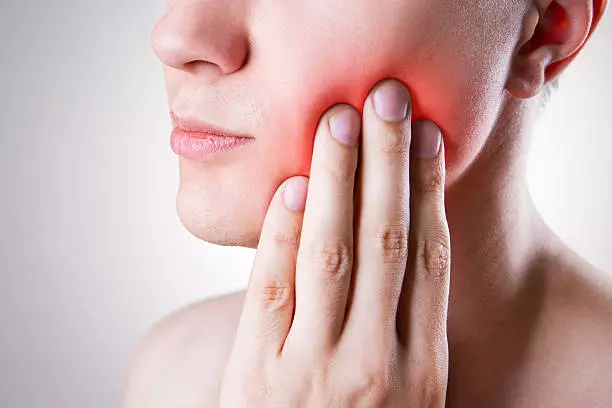
7 Reasons for Tooth Sensitivity Explained by the Best Dentist in Deira!
Tooth sensitivity hits at the worst moments. You sip something cold, and suddenly your whole jaw feels like it's protesting. If you've been dealing with that sharp, quick pain, you're definitely not alone. When I spoke with the best dentist in Deira, they made something clear right away: tooth sensitivity isn't random. There's always a reason behind it.
And once you know the reason, you can fix it or at least keep it from getting worse.
Let's break it all down in simple language so you can actually use the information instead of drowning in dental jargon.
Why Tooth Sensitivity Happens
Tooth sensitivity starts when the inner layer of your tooth gets exposed. It's called dentin, and it connects straight to the nerves. When hot, cold, or sweet things hit that dentin, you feel a quick shock.
The best dentist in Deira explained it in a way that stuck with me: "Teeth aren't supposed to feel everything so intensely. If you're getting that sudden sting, something's changed."
And honestly, that made sense.
7 Reasons for Tooth Sensitivity Explained by the Best Dentist in Deira
1. Receding Gums
You might not notice it day to day, but gums can slowly pull back. When they do, the sensitive part of the tooth that was once covered becomes exposed.
Common signs:
1. Your teeth look slightly longer than before
2. You feel sensitivity near the gumline
3. You bleed a little after brushing
Why it matters:
1. When gums recede, they don't grow back naturally
2. The exposed area has tiny openings that send signals straight to the nerve
A quick chat with the best dentist in Deira opened my eyes to how often this happens because of brushing too hard. It's a simple mistake, but it causes real damage over time.
2. Worn Tooth Enamel
This one is sneaky. You don't feel enamel thinning. You just wake up one day, wondering why cold water hurts.
What weakens enamel:
1. Acidic foods, like soft drinks or citrus
2. Grinding your teeth
3. Brushing right after eating
4. Using a hard toothbrush
If you feel like your sensitivity keeps getting worse, you might want to think back on your daily routine. Are you sipping soft drinks more often than you think? Do you grind your teeth when you're stressed?
I realized I did both. Not my proudest moment.
3. Cavities
A cavity is basically a hole. And that hole goes through your enamel straight to the sensitive part of your tooth.
Signs you might have one:
1. A dull ache that turns sharp at times
2. Sensitivity to cold or sweets
3. A dark spot you didn't notice before
The best dentist in Deira pointed out that sensitivity from a cavity is usually a warning before the pain becomes constant. So, if you catch it early, the fix is much easier.
4. Cracked Tooth
A cracked tooth doesn't always feel like a big deal at first. But the crack allows temperatures and bacteria to reach the inner layers of the tooth.
What you might notice:
1. Pain when you bite down
2. Sensitivity that comes and goes
3. A feeling that something just isn't "right."
I had a small crack once from biting a popcorn kernel. Didn't even realize it until I couldn't chew on one side anymore. A dentist visit fixed it, but I wished I'd gone earlier.
5. Recent Dental Procedures
Sometimes sensitivity isn't a sign of damage. It's just your tooth adjusting.
This can happen after:
1. Fillings
2. Cleanings
3. Whitening treatments
4. Crown placements
The best dentist in Deira told me this kind of sensitivity usually settles in a few days. But if it lingers longer than a week or two, you should get it checked. Your tooth might be signaling something deeper.
6. Gum Disease
Gum disease doesn't show up suddenly. It builds slowly.
You might see:
1. Red or swollen gums
2. Bleeding when brushing
3. A constant bad taste in your mouth
4. Loose-feeling teeth
When gums get infected, they pull away from the tooth. That leaves roots exposed, and the sensitivity spikes.
If you've been ignoring gum issues, this might be the moment to rethink that.
7. Acid Reflux or Diet
This one surprised me. Acid reflux doesn't just affect your stomach. The acid can reach your mouth and gradually erode enamel.
Certain foods do the same.
Common culprits:
1. Lemon water
2. Sports drinks
3. Pickles
4. Vinegar-based snacks
If you enjoy these often, your enamel might be taking a quiet beating. The best dentist in Deira recommended balancing these foods with water and waiting before brushing.
What You Can Do Right Now
You don't have to live with sensitivity forever. You can make simple changes that actually help.
Small steps that make a real difference:
1. Switch to a soft-bristle toothbrush
2. Use toothpaste made for sensitive teeth
3. Avoid brushing too aggressively
4. Cut back on acidic foods
5. Get regular dental checkups
6. Wear a nightguard if you grind your teeth
7. Drink more water throughout the day
These changes aren't complicated. They just require consistency. And honestly, your teeth will thank you for it.
When to See the Best Dentist in Deira
You'll want to book an appointment if:
1. The pain is sharp or constant
2. It keeps getting worse
3. You notice gum changes
4. You see cracks or dark spots
5. You can't chew on one side
A dentist can tell you exactly what's happening and fix the issue before it grows into something bigger.
During my last visit to the best dentist in Deira, they mentioned that most people wait too long because they think sensitivity is "normal." It isn't. It's your tooth asking for help.
Read: Teeth Whitening in Jaipur – Brighten Smile with Expert Care
FAQs
Why does tooth sensitivity suddenly appear?
Sudden sensitivity usually means something changed. Maybe the enamel wore down, or a cavity formed. A visit to the best dentist in Deira can help you find the exact reason.
Can the best dentist in Deira treat long-term sensitivity?
Yes. Long-term sensitivity often has an underlying cause. Once the dentist identifies it, they can treat it with fillings, bonding, gum treatments, or enamel-strengthening options.
Is tooth sensitivity a sign of a serious problem?
Sometimes. It can signal gum issues, cracks, or decay. If sensitivity keeps returning, book a checkup with the best dentist in Deira before the problem gets worse.
Can brushing too hard cause sensitivity?
Yes. Hard brushing wears down enamel and pushes gums back. Switching to a softer brush and adjusting your technique makes a big difference.
How often should I see the best dentist in Deira for sensitivity?
At least once every six months. If pain increases or changes suddenly, go sooner.
Tooth sensitivity isn't something you have to tolerate. Once you understand the cause, you can start fixing it.
And if you're unsure what's behind your symptoms, a visit to the best dentist in Deira can give you the clarity and relief you need.
If your teeth have been bothering you, this is your sign to take action. Your mouth will feel so much better when you do.