7 Essential Sports Massage Techniques for Faster Recovery
If you’re an athlete, fitness enthusiast, or someone who exercises regularly, you know how important proper recovery is. Sports massage can be a game-changer for your muscles, improving performance, reducing soreness, and accelerating recovery.
A spa is a great place to explore different sports massage techniques, and you can easily find top spas on the Sitback app, the leading platform to book your next rejuvenating session.
In this article, we’ll dive into seven professional sports massage techniques that can help you recover faster and maximize the benefits of sports massage.
Why Sports Massage is Essential?
Sports massage is more than just a luxury; it’s a therapeutic approach targeting muscles, tissues, and tendons to alleviate pain, enhance flexibility, and prevent injuries. Even if you’re not a professional athlete, these massages can benefit anyone experiencing fatigue, muscle stiffness, or chronic pain.
The benefits of sports massage include:
- Improved blood circulation
- Faster recovery from exercise
- Reduced muscle soreness and stiffness
- Enhanced flexibility and range of motion
- Relief from chronic pain and tension
Now, let’s explore the most effective sports massage techniques used by therapists.
1. Trigger Point Therapy
Trigger point therapy focuses on specific tight points in your muscles. The therapist identifies these “trigger points” and applies targeted pressure to release tension. While it may feel intense initially, this method is highly effective for loosening tight muscles and improving blood flow.
Benefits of trigger point therapy:
- Relieves chronic pain
- Enhances flexibility
- Improves movement and posture
By addressing knots and tight muscles, trigger point therapy is an essential tool for recovery after intense workouts or injuries.
2. Friction Technique
Friction massage is one of the most widely used sports massage techniques. It involves applying circular pressure with thumbs, palms, or fingers to specific areas.
- Deep friction: Targets deeper muscle layers to break adhesions and relieve tension.
- Superficial friction: Less pressure is applied to improve elasticity and reduce stiffness.
Friction helps in loosening tight muscles, reducing inflammation, and accelerating the healing process. Many athletes find it particularly beneficial for recovery after high-intensity training.
3. Vibration Technique
Vibration involves repetitive, rapid pressure applied to muscles. The technique stimulates nerve endings and helps relax tight areas. It is particularly useful as a warm-up or post-workout recovery method.
Benefits of vibration technique:
- Reduces stress and tension
- Enhances blood flow
- Loosens stiff muscles
This gentle yet effective approach helps the body recover faster while promoting relaxation and comfort.
4. Tapotement Technique
Tapotement is a rhythmic tapping technique performed using the palms, fingertips, or sides of the hands. It’s designed to stimulate blood flow, lymphatic drainage, and muscle activation.
- Helps loosen tight muscles
- Prepares the body for exercise or recovery
- Enhances muscle coordination
A popular variation called cupping tapotement involves forming a cup shape with the hand to create rhythmic pressure on muscles. It’s excellent for energizing the body and releasing tension.
5. Effleurage Technique
Effleurage is a gentle, gliding stroke performed with light or moderate pressure. It is commonly used at the beginning and end of a sports massage to warm up and relax muscles.
Benefits of effleurage:
- Improves lymphatic circulation
- Reduces muscle fatigue
- Promotes relaxation and mental calmness
This technique is ideal for overall recovery and stress relief, making it a staple in professional sports massage sessions.
6. Compression Technique
Compression involves pressing down on muscles with controlled, rhythmic pressure. This technique is highly effective for:
- Reducing swelling
- Relieving muscle tension
- Enhancing blood flow
Therapists adjust the intensity based on your needs, making it suitable for both light recovery and deep muscle work. Compression also complements stretching and other massage techniques for comprehensive recovery.
7. Stretching Technique
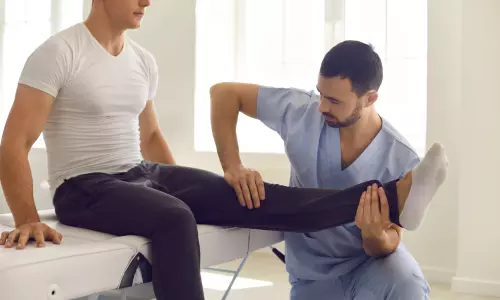
Stretching is a key part of any sports massage, helping to lengthen muscles and improve flexibility. Therapists may use passive or active stretching techniques to release tight areas, improve mobility, and reduce the risk of injury.
Benefits of stretching in sports massage:
- Enhances range of motion
- Reduces stiffness after workouts
- Supports muscle recovery and injury prevention
By incorporating stretching into your massage routine, you ensure that your muscles are not only relaxed but also better prepared for future physical activity.
Tips to Maximize the Benefits of Sports Massage
To get the most out of your sessions:
- Hydrate well before and after your massage to flush out toxins.
- Communicate with your therapist about areas of discomfort.
- Book regular sessions for long-term benefits.
- Combine massage with proper stretching and recovery techniques.
Use the Sitback app to find professional therapists offering various sports massage techniques at top spas.
Conclusion
Sports massage is more than a luxury; it’s an essential recovery tool for athletes and active individuals. By understanding these seven professional sports massage techniques, you can make informed decisions about the best treatments for your body.
Whether you’re dealing with tight muscles, fatigue, or chronic pain, incorporating these techniques into your wellness routine can significantly improve your recovery and performance. Explore local spas through the Sitback app and experience the full benefits of sports massage today. Your body will thank you for it!