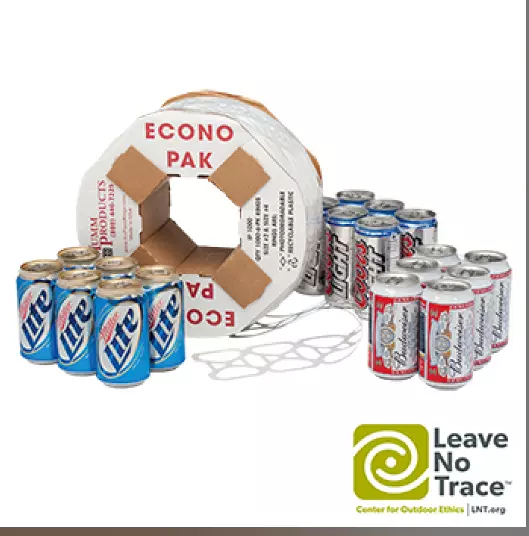
4-Pack vs. 6-Pack vs. 12-Pack: Understanding Can Carriers
Can drinks are not always packed the same. You can find four cans in a pack and six or twelve cans in another. The pack size determines how the product is handled, stored, and transported.
A carrier is used to hold the pack together, ensuring it can be moved from one place to another with ease. The 4-pack, 6-pack, and 12-pack can carriers differ from each other due to the number of cans they hold.
Understanding the differences is essential in choosing the most appropriate carrier. Let us start with the 4-pack can carrier.
What Is a 4-Pack Can Carrier?
A 4-pack can carrier holds four cans together. It is ideal for smaller packs of drinks or other products. A 4-pack takes up less space compared to a 6-pack or a 12-pack. As a result, it can be stored on smaller shelves, coolers, and other storage facilities. It can also be picked up with ease by customers.
The carrier holds the cans together as a pack, making it easy to move them from the shelf to the checkout counter and to their homes. The 4-pack is smaller compared to the other pack sizes, which means it weighs less. Its size and convenience make it ideal for different products.
What Is a 6-Pack Can Carrier?
A 6-pack can carrier holds six cans together. It is used to hold a moderate number of drinks in a pack. The 6-pack can carrier is a popular option for most canned drinks because it allows customers to get more than a 4-pack without having to deal with a large pack.
The carrier holds the cans together as a pack, making it easy for customers to carry them around. It also gives beverage manufacturers an opportunity to create different designs for their carriers. Some 6-pack carriers use rings while others use trays or handles.
The choice depends on the can size and the design selected by the manufacturer. A 6-pack has more cans compared to a 4-pack, which means it requires more support.
What Is a 12-Pack Can Carrier?
A 12-pack can carrier holds twelve cans together. It is suitable for customers who want to buy more drinks in one pack. A 12-pack can carrier also gives beverage manufacturers an opportunity to stock and transport more products at a time.
It is important to note that a 12-pack carrier is heavier compared to a 4-pack or a 6-pack carrier. As a result, it should be designed in a way that allows customers to carry the pack with ease. A tray or a handle can be useful in this case.
The 12-pack can carrier has the same objective as the 6-pack and the 4-pack can carriers. It holds the cans together as a pack to make it easy to carry the cans.
How Is a 4-Pack Different From a 6-Pack?
The main difference between a 4-pack and a 6-pack is the number of cans each pack can hold. A 4-pack is ideal for customers who want to buy fewer drinks, while a 6-pack is suitable for customers who want to buy more drinks.
The 6-pack has more cans, which means it is slightly heavier than the 4-pack. A can carrier should be selected based on the number of cans it holds. It should also be designed in a way that allows the cans to be picked up with ease.
The space between the cans should also be considered when choosing a carrier. The 4-pack and the 6-pack can carriers are slightly different from each other because of the number of cans they hold and their weight.
How Is a 6-Pack Different From a 12-Pack?
A 6-pack holds half the number of cans contained in a 12-pack. This means that the 6-pack is slightly smaller and lighter than the 12-pack.
The 12-pack can carrier has to hold more cans, which means it has to be stronger. The size and weight of the pack also affect the design of the carrier. A handle or a tray can be necessary when dealing with larger packs of drinks.
The 6-pack and the 12-pack can carriers have similar objectives but they are slightly different from each other. The 6-pack is ideal for most customers, while the 12-pack is suitable for customers who want to buy more drinks in one pack.
Does the Can Size Affect the Carrier?
The can size has an impact on the carrier because the number of cans is not the only consideration. The carrier has to be able to hold the cans together as a pack.
The can size determines the openings in the carrier. The carrier also has to be strong enough to hold the pack together. The spacing between the cans should also be considered. It should allow the cans to fit together comfortably in the carrier. This applies to all three pack sizes – 4-pack, 6-pack, and 12-pack.
The can size and the pack size should be considered when choosing a carrier. It is important to choose the right carrier to ensure that the pack of cans is held together tightly.
Which Pack Size Is Easier to Carry?
The easiest pack size to carry depends on the number of cans and their weight. A 4-pack has fewer cans compared to a 6-pack and a 12-pack. As a result, it is smaller and lighter. A 6-pack has more cans than a 4-pack but fewer cans than a 12-pack. It is also smaller and lighter compared to a 12-pack.
A 12-pack has the highest number of cans, which makes it the heaviest and the largest of the three pack sizes. A handle can make it easier to carry a large pack of drinks. The carrier has to be strong enough to hold the pack together.
This is especially important when it comes to larger pack sizes. It is essential to consider the pack size when determining the most appropriate carrier for a pack of drinks.
Which Pack Size Is Best for Stores?
All three pack sizes can be ideal for stores depending on the specific needs of the store. A 4-pack takes up less space on shelves and in coolers. This makes it suitable for stores that have limited space for storing their products.
A 6-pack gives customers an option to choose between a smaller pack size and a larger pack size. It also gives the store an opportunity to stock more products compared to a 4-pack. A 12-pack is ideal for stores that want to give their customers an option to buy more drinks in one pack.
The storage space in a store has to be considered when choosing the most appropriate pack size for the store.
The carrier should also be selected based on how the pack of cans will be handled in the store. A store can choose the most appropriate pack size based on its needs and the needs of its customers.
Which Pack Size Is Best for Customers?
The best pack size depends on the number of drinks a customer wants to buy. Some customers may only want to buy a few drinks while others may want to buy more drinks. A 4-pack is ideal for customers who want to buy fewer drinks.
A 6-pack is suitable for customers who want to buy a moderate number of drinks. A 12-pack is the best option for customers who want to buy a large numbr of drinks.
The pack size also affects how the pack of drinks is carried. A smaller pack of drinks is easier to carry compared to a larger pack of drinks.
Customers should consider their needs when choosing between a 4-pack, a 6-pack, and a 12-pack. The can carrier should also be considered because it helps to hold the pack of drinks together.
How Do Carriers Keep Different Pack Sizes Together?
The can carrier has the same objective for all three pack sizes. It holds the cans together to make it easy to carry the pack of drinks. The carrier has to be selected based on the number of cans and their size.
A 4-pack, a 6-pack, and a 12-pack all have different numbers of cans. A carrier has to be selected based on the number of cans it has to hold. It has to be strong enough to hold the pack together.
The carrier also has to be selected based on the size of the cans. A carrier that is too large may not be suitable for smaller cans. All three pack sizes require a carrier to help hold the pack of drinks together. The carrier should be selected based on the pack size and the can size.
Can These Pack Sizes Work With Packaging Machines?
All three pack sizes can work with packaging machines. The packaging machine has to be selected based on the carrier, the can size, and the pack size. A 4-pack, a 6-pack, and a 12-pack can all be packed using a machine.
The machine puts the cans together in a pack and places the carrier around the pack. This allows beverage manufacturers to pack a large number of drinks at a time.
It is important to select the most appropriate carrier so that it is compatible with the packaging machine. The carrier has to be strong enough to hold the pack of drinks together. A business has to consider the packaging machine and the pack size when selecting a carrier for a pack of drinks.
How Do You Choose Between a 4-Pack, 6-Pack, and 12-Pack?
The choice between a 4-pack, a 6-pack, and a 12-pack depends on the number of drinks a customer wants to buy. A customer should also consider the can size, the pack weight, the storage space, and how the pack of drinks will be carried.
A 4-pack is ideal for customers who want to buy fewer drinks, while a 12-pack is suitable for customers who want to buy more drinks. A 6-pack gives customers an option to choose between the smaller pack size and the larger pack size. A business has to consider how the pack will be handled when choosing between the three pack sizes.
The carrier has to be selected based on the can size and the number of cans. These considerations will help in choosing between a 4-pack, a 6-pack, and a 12-pack.
Final Thoughts on 4-Pack, 6-Pack, and 12-Pack Carriers
4-pack, 6-pack, and 12-pack can carriers have similar objectives, but they differ from each other. The differences come from the number of cans each carrier holds.
A 4-pack carrier holds four cans, a 6-pack carrier holds six cans, and a 12-pack carrier holds twelve cans. The carriers have to be strong enough to hold the pack together.
A 4-pack carrier is ideal for smaller packs of drinks, while a 12-pack carrier is suitable for larger packs of drinks.
The pack size and the can size have to be considered when choosing a carrier for a pack of drinks. The carrier has to be selected based on the needs of the business and the needs of the customers.