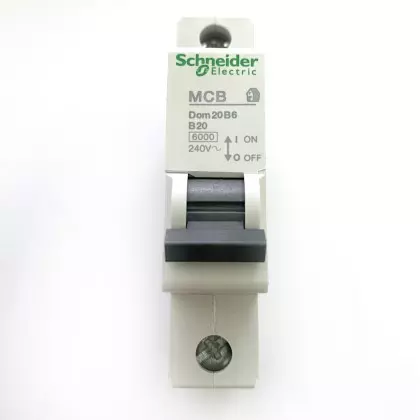
15 Amp vs. 20 Amp Circuit Breakers
Understanding the difference between 15 amp and 20 amp circuit breakers is important for safe electrical use at home. Both are commonly used in residential wiring, but they are designed for different levels of electrical load. Choosing the right one helps prevent overloads, frequent tripping, and potential safety hazards.
A 15 amp breaker is typically used for lighter electrical loads, while a 20 amp breaker is designed to handle higher demand circuits.
The main difference is how much current each can safely carry before tripping. Understanding this helps you match appliances and wiring correctly, ensuring both safety and efficiency in your electrical system.
1. Power Capacity Difference
The most important difference is power capacity.
• 15 amp breaker: Handles up to 15 amps of current
• 20 amp breaker: Handles up to 20 amps of current
A 20 amp breaker allows more electrical load, making it suitable for heavier appliances.
2. Wiring Requirements
Each breaker type requires different wire sizes.
• 15 amp breaker → typically uses 14 AWG wire
• 20 amp breaker → typically uses 12 AWG wire
Using the wrong wire size can cause overheating and increase fire risk.
3. Common Usage in Homes
Both breakers are used in different areas of a house.
15 Amp Breaker is used for:
• Bedroom outlets
• Living room lighting
• General low-power devices
20 Amp Breaker is used for:
• Kitchen outlets
• Bathroom outlets
• Laundry areas
• Power tools and heavier appliances
4. Appliance Compatibility
Using the correct breaker ensures appliances run safely.
• 15 amp circuits: Suitable for lamps, TVs, chargers
• 20 amp circuits: Suitable for microwaves, hair dryers, irons
If you plug a high-power device into a 15 amp circuit, it may trip frequently.
Read: Is It Safe to Handle Electrical Repairs Without a Professional
5. Safety Differences
Both breakers provide protection, but their limits differ.
• 15 amp breaker: Trips faster under heavy load
• 20 amp breaker: Handles higher load before tripping
This does not mean 20 amp is always better, it depends on wiring and usage.
6. Common Mistakes to Avoid
Avoid these installation and usage mistakes:
• Using 20 amp breaker with 14 AWG wire
• Overloading 15 amp circuits
• Ignoring appliance power ratings
• Mixing circuit types incorrectly
Even if a 20 amp breaker seems more powerful, incorrect setup can be dangerous.
Conclusion
The difference between 15 amp and 20 amp circuit breakers comes down to load capacity, wiring size, and application. A 15 amp breaker is suitable for light usage, while a 20 amp breaker supports higher-demand circuits. Choosing the correct breaker ensures safe operation, prevents overheating, and keeps your electrical system reliable.
FAQs
Can I replace a 15 amp breaker with 20 amp?
Only if the wiring is rated for 20 amps (12 AWG).
Why does my 15 amp breaker trip often?
It may be overloaded with high-power devices.
Is a 20 amp breaker always better?
No, it depends on circuit design and appliance load.
Where are 20 amp breakers commonly used?
Kitchens, bathrooms, and laundry areas.