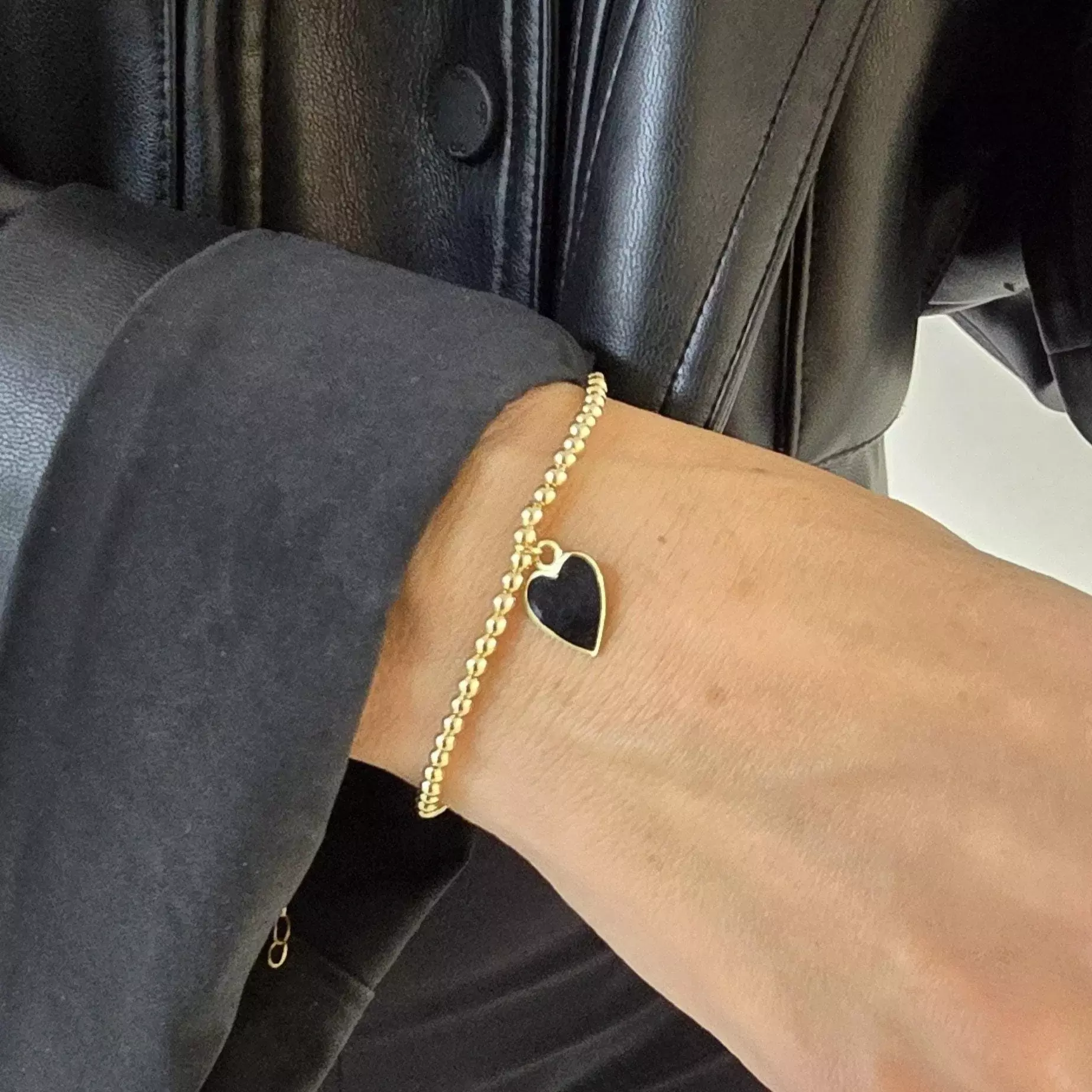
14K Gold Filled Bracelet: Your Guide to Long-Lasting Golden Style
A beautiful bracelet should do more than complete an outfit. For many women, the ideal piece is something that can move effortlessly from a morning coffee run to the office, dinner with friends, or a weekend away without looking out of place.
That balance of elegance, durability, and everyday practicality is one reason the 14K Gold Filled Bracelet has become an appealing choice for shoppers who want the look of gold without the price of solid-gold jewelry.
Gold-filled jewelry occupies an interesting middle ground. It is not the same as solid gold, but it is also very different from inexpensive gold-plated fashion jewelry. The construction, amount of gold, styling possibilities, and care requirements all influence how well a bracelet performs over time.
For anyone building a versatile jewelry wardrobe, understanding these differences makes it easier to choose pieces that fit both personal style and daily habits.
What Does Gold-Filled Actually Mean?
The term “gold-filled” refers to the way gold is bonded to another metal.
In the United States, the Federal Trade Commission's Jewelry Guides explain that gold-filled products use a mechanically applied layer of gold alloy and must meet specific requirements regarding gold content and durability.
A commonly recognized 1/20 gold-filled designation means that the gold accounts for at least one-twentieth of the item's total metal weight.
That distinction matters because gold-filled jewelry is not simply a very thin layer of color placed over inexpensive metal. The gold layer is substantially more meaningful than conventional plating, although the exact construction and quality can vary from one piece to another.
The “14K” portion refers to the karat fineness of the gold used in that outer layer. Pure gold is 24 karats, while 14-karat gold contains 14 parts gold out of 24, with the remaining portion made up of other metals that help improve strength and wearability.
For shoppers, the practical takeaway is simple: always look beyond the word “gold” in a product description. Check whether the jewelry is solid gold, gold-filled, or gold-plated, and look for clear information about the materials used.
Gold-Filled vs. Gold-Plated vs. Solid Gold
These three categories can look remarkably similar at first glance, but they are different products.
Solid gold is made from a gold alloy throughout the piece, rather than having a base-metal core covered by a layer of gold. Because the material is more valuable and contains substantially more gold, solid-gold jewelry typically commands a much higher price.
Gold-plated jewelry has a layer of gold applied to a base metal. The thickness and application method can vary, and the surface may eventually show signs of wear, particularly on jewelry exposed to frequent friction.
Gold-filled jewelry has a mechanically bonded gold layer over a base metal. Under US guidance, qualifying gold-filled products must meet requirements concerning the gold layer and its weight relative to the entire item.
This makes gold-filled jewelry particularly interesting for people who want a more substantial gold surface than ordinary plating while maintaining a more accessible price point than solid gold.
Read: Black & Gold Crystal Tennis Bracelet – A Perfect Blend of
Why the Difference Matters for Everyday Wear
Bracelets experience more movement and friction than many other types of jewelry. They can rub against clothing, watches, bags, desks, and other bracelets throughout the day.
That means construction is especially important.
A well-made gold-filled bracelet can offer a useful combination of appearance, durability, and value. However, it should not be treated as indestructible. Even quality jewelry can eventually show wear when exposed to constant abrasion, chemicals, rough activities, or poor storage.
The smartest approach is to choose jewelry that matches your lifestyle rather than relying on broad claims such as “wear it forever” or “completely maintenance-free.”
Why 14K Gold Works So Well for Everyday Jewelry
Fourteen-karat gold has become a popular choice for everyday jewelry because it offers a practical balance between gold content and durability.
Higher-karat gold contains more pure gold and tends to have a richer, warmer appearance, but pure gold is relatively soft. Lower-purity alloys can incorporate more strengthening metals, making them suitable for pieces that experience regular handling.
For a bracelet, this balance is useful. A design intended for daily styling needs to look refined while also coping with ordinary movement.
The appeal also goes beyond durability. The warm yellow tone of 14K gold works well with both neutral and colorful wardrobes. It can complement denim and casual knits just as easily as a tailored blazer or evening dress.
That versatility is valuable because the best everyday jewelry is rarely limited to one type of outfit.
Choosing the Right Bracelet Design
Material is only one part of the buying decision. Shape, size, weight, closure, and overall construction can make a significant difference in how comfortable a bracelet feels.
A simple chain bracelet can create a delicate, understated look. Beaded designs add texture and visual interest without necessarily becoming dramatic. Stretch styles can make putting on and removing jewelry quick and convenient, while adjustable designs provide more flexibility for different wrist sizes.
Consider Your Daily Routine
Think about when you are most likely to wear the piece.
If you work at a desk, a lightweight bracelet may be more comfortable than a heavy statement design. If you frequently travel, a versatile bracelet that pairs with several outfits can reduce the amount of jewelry you need to pack.
For people who prefer a minimalist wardrobe, a slim gold bracelet can become a signature accessory.
Someone who enjoys layering may prefer a design that can sit comfortably beside a watch or other bracelets.
The goal is not to find the most elaborate piece. It is to find one that naturally fits your routine.
Pay Attention to Proportion
Bracelet size should complement both your wrist and your personal styling preferences.
A delicate bracelet can create a subtle finish when worn alone. A thicker design can act as the focal point of an outfit. Beaded bracelets offer another option because changing bead size can dramatically alter the visual character of the piece.
A useful styling rule is to vary proportions when stacking. Instead of placing several identical bracelets together, combine different textures, widths, or silhouettes.
This creates dimension while keeping the overall look intentional.
The Appeal of Beaded Gold Jewelry
A 14K Gold Filled Beaded Bracelet can offer a different aesthetic from a traditional chain. Beads create rhythm and texture, allowing a relatively simple bracelet to have more visual presence.
Beaded jewelry also works particularly well for layering. A small-bead bracelet can sit next to a chain, while a larger-bead design can provide contrast.
The most successful stacks usually include some variation rather than several pieces competing for attention.
For example, a clean combination might include one slim chain, one beaded bracelet, and a watch. Another approach is to use bracelets in similar gold tones while varying their textures.
The advantage of this approach is flexibility. A bracelet does not need to be reserved for special occasions simply because it has a polished appearance.
How to Build a Sophisticated Bracelet Stack
Stacking is one of the easiest ways to make everyday jewelry feel more personal.
Start with one piece you genuinely like wearing. Then add one complementary bracelet rather than immediately creating a large stack. This helps you judge proportions, movement, and comfort.
A balanced stack can include:
- One delicate bracelet for a clean foundation
- One textured or beaded design for visual contrast
- One slightly bolder piece to create a focal point
You can also mix metals, although keeping one dominant color usually creates a more cohesive appearance. If yellow gold is the foundation, a small silver or mixed-metal accent can provide contrast without making the stack feel disconnected.
The key is restraint. Layering works best when each piece has enough space to be appreciated.
Is Gold-Filled Jewelry Waterproof?
This is an area where shoppers should read product descriptions carefully.
Gold-filled jewelry is generally more resistant to wear than very thin gold plating, but “waterproof” should not be interpreted as a guarantee that jewelry can withstand every environment indefinitely.
Water exposure is only one factor. Chlorine, cleaning chemicals, cosmetics, sweat, friction, salt water, and repeated mechanical stress can all affect jewelry over time.
A bracelet marketed for water-friendly everyday use may be designed with these realities in mind, but sensible care is still worthwhile.
If you regularly swim in chlorinated pools, work with chemicals, or participate in high-friction activities, removing jewelry can help preserve its appearance regardless of the material.
How to Keep a Gold-Filled Bracelet Looking Its Best
Good jewelry care does not need to be complicated.
The most important habit is to reduce unnecessary exposure to harsh substances. Perfume, hairspray, lotions, cleaning products, and chlorine can interact with jewelry surfaces and may contribute to dullness or discoloration over time.
When cleaning a bracelet, use a soft, lint-free cloth and gentle handling. Avoid abrasive cleaners unless the jewelry maker specifically recommends them.
Storage matters as well. Instead of throwing bracelets together in a drawer, keep them separated when possible. This reduces scratching and prevents chains from becoming tangled.
A simple routine can include:
- Wiping the bracelet gently after extended wear.
- Storing it in a dry, protected location.
- Keeping it away from household chemicals and abrasive surfaces.
- Checking clasps, stretch cords, or connections periodically for signs of wear.
These small habits are more useful than complicated cleaning routines because they reduce the causes of damage in the first place.
What to Look for When Shopping
A polished product photograph can make almost any piece of jewelry look appealing. To make a better buying decision, look beyond the image.
Start with the material description. A trustworthy listing should clearly identify whether the piece is solid gold, gold-filled, or gold-plated. If a seller uses vague terms such as “gold jewelry” without explaining construction, consider that a reason to investigate further.
Next, examine the dimensions. A bracelet's bead size, chain thickness, length, and closure type can dramatically affect how it looks and feels.
Also check the seller's information about sizing, care, returns, and materials. Transparent product information is one of the strongest indicators of a thoughtful jewelry business.
The FTC's Jewelry Guides emphasize truthful representation of a jewelry item's metal content, quality, durability, and other material characteristics. For US shoppers, clear product information is therefore more than a convenience-it is an important part of making an informed purchase.
Styling Ideas for Different Occasions
One of the biggest advantages of a versatile gold bracelet is its ability to adapt.
For work, pair a simple bracelet with a structured blazer, knit top, or button-down shirt. Keeping the rest of the jewelry understated allows the bracelet to add polish without becoming distracting.
For weekends, try combining a beaded bracelet with casual pieces such as denim, cotton shirts, or lightweight dresses. Texture can make a simple outfit look more considered without requiring additional accessories.
For evening occasions, a gold bracelet can complement earrings, a necklace, or a ring in the same metal tone. Instead of matching every accessory exactly, repeat one visual element-such as gold color, bead texture, or a minimalist shape-to create cohesion.
Travel is another setting where versatile jewelry earns its place. A single bracelet that works with multiple outfits can be more useful than packing several pieces intended for specific occasions.
A Practical Gift for Women Who Love Jewelry
Jewelry is often chosen as a gift because it can carry personal meaning without requiring an exact clothing size.
A bracelet can work for birthdays, anniversaries, graduations, holidays, career milestones, or simply as a thoughtful gesture. The safest choice for gifting is usually a versatile design rather than something highly trend-dependent.
Consider the recipient's existing style.
Someone who wears minimalist jewelry may appreciate a slim bracelet. Someone who already layers several pieces might enjoy a textured or beaded design. If you are unsure, classic proportions and a simple gold tone are generally easier to incorporate into an existing wardrobe.
Presentation matters too. A well-packaged bracelet feels more intentional, especially when the piece is selected around the recipient's personality rather than simply chosen because it is fashionable.
Where Quality and Style Meet
Affordable luxury is most useful when it is based on practical value rather than appearance alone. A bracelet should feel comfortable, suit the wearer's lifestyle, and have construction that matches the expectations created by its description.
That is why understanding gold-filled jewelry is important before making a purchase.
For readers exploring handcrafted options, 14K gold-filled and sterling silver jewelry from Isabella Celini provides a useful reference point for seeing how gold-filled bracelets, beaded designs, layering pieces, and other everyday jewelry can be incorporated into a modern wardrobe.
The broader lesson is that good jewelry does not have to be reserved for formal events. When a design is comfortable, versatile, and appropriately cared for, it can become part of someone's everyday style.
Final Thoughts: Choosing Jewelry That Fits Real Life
The best everyday bracelet is not necessarily the most expensive or elaborate one. It is the piece that feels right when you put it on, works with the clothes you already own, and continues to look appropriate across different settings.
Gold-filled jewelry offers an appealing option for shoppers who want a substantial gold surface without moving directly into the price range of solid gold.
Fourteen-karat gold provides a familiar balance of warmth and practicality, while beaded and stackable designs make it easy to personalize an outfit.
Before buying, focus on material transparency, construction, dimensions, comfort, care instructions, and the seller's reputation. Avoid assuming that terms such as “waterproof” or “tarnish-resistant” mean a piece requires no care at all.
Ultimately, long-lasting style comes from combining the right material with thoughtful design and sensible maintenance.
Choose jewelry that matches how you actually live, and an everyday bracelet can become much more than an accessory-it can become a reliable part of your personal style.